




What's Happening?
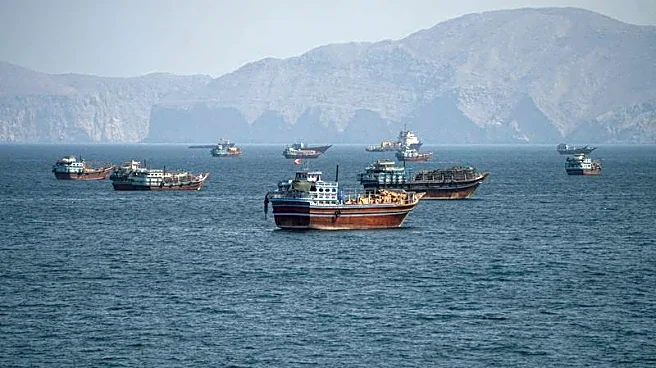
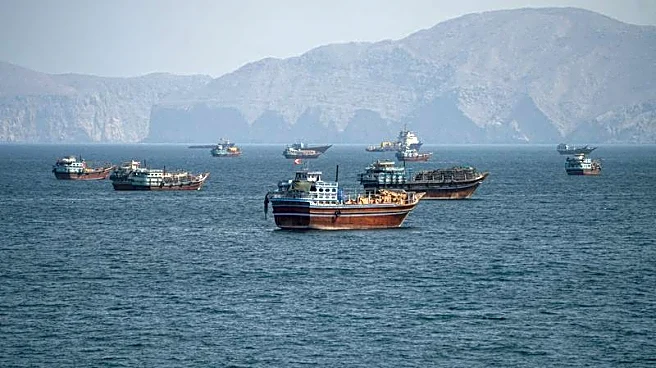
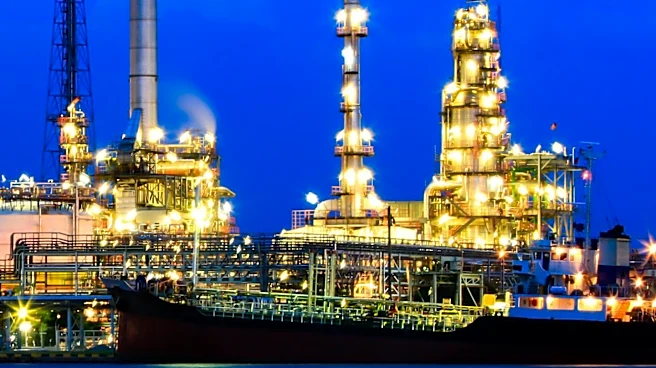
Hindustan Petroleum Corporation Limited (HPCL), a prominent Indian state-owned refiner, is encountering significant difficulties in securing oil tankers for transit through the Strait of Hormuz to collect crude oil cargoes from the Gulf. According to HPCL chairman
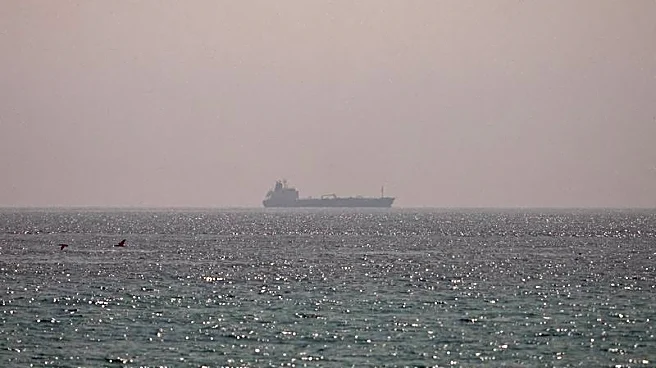
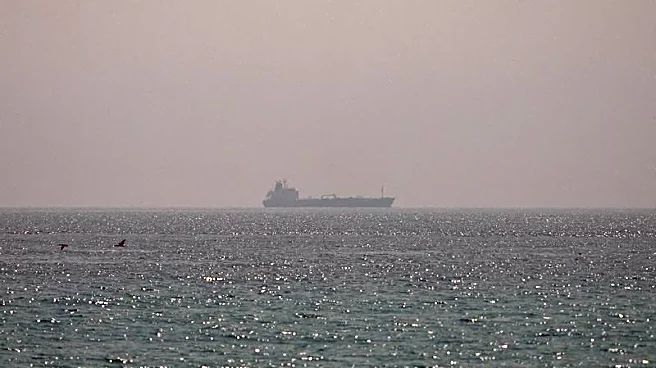
Vikas Kaushal, the primary challenge lies in hiring ships, with vessel scarcity and last-minute cancellations by shipowners unwilling to risk transits. This situation persists despite crude oil flows from the Gulf via Hormuz having largely recovered to pre-war levels. The increased volume of oil transfers, particularly ship-to-ship (STS) operations in the Gulf of Oman, is causing supertankers to be tied up for extended periods, thereby limiting the availability of very large crude carriers (VLCCs) for other global oil trade routes. This inefficiency in Middle Eastern oil loadings has created a tight supertanker market, subsequently impacting smaller vessel categories like Aframax and Suezmax, whose demand and daily rates have also surged.
Why It's Important?
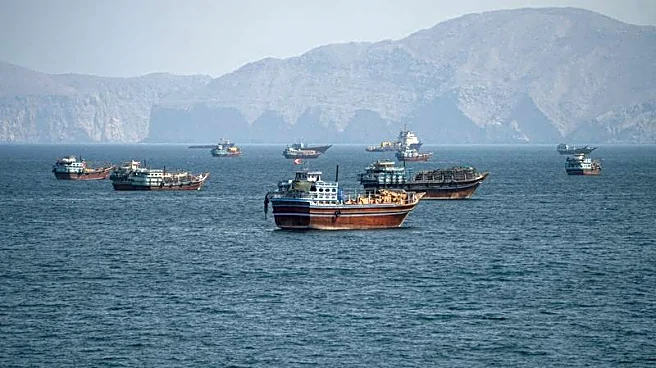
The struggles faced by HPCL highlight broader vulnerabilities in global oil supply chains, particularly concerning the Strait of Hormuz, a critical chokepoint for international oil trade. The scarcity of tankers and the reluctance of shipowners to navigate the Strait due to perceived risks are driving up shipping costs, adding millions of U.S. dollars to the price of individual crude oil cargoes. This escalation in transportation expenses directly contributes to higher oil and fuel prices globally, impacting consumers and industries reliant on stable energy costs. For the U.S., while not directly importing significant amounts of oil through the Strait of Hormuz, disruptions and price increases in the global market can still lead to higher domestic fuel prices and inflationary pressures. The situation underscores the interconnectedness of global energy markets and how regional instability or logistical challenges can have far-reaching economic consequences.
What's Next?
HPCL has been compelled to shift its procurement strategy, moving away from directly picking up cargoes within the Gulf to relying more on the spot market and arranging for deliveries directly at its refineries. This adaptation suggests a potential long-term shift in how refiners manage their supply logistics in volatile regions. The ongoing tightness in the supertanker market and the ripple effect on smaller vessel categories indicate that high shipping rates are likely to persist, continuing to influence global oil prices. Stakeholders, including other major oil refiners and shipping companies, will likely continue to monitor the security situation in the Strait of Hormuz and adapt their operational strategies to mitigate risks and manage costs. The situation could also prompt further investment in alternative shipping routes or energy sources to reduce reliance on the Strait.
Beyond the Headlines
The challenges in the Strait of Hormuz extend beyond immediate logistical and cost implications, touching upon geopolitical stability and maritime security. The reluctance of shipowners to transit the Strait reflects an assessment of heightened risk, which can be influenced by regional tensions, piracy, or other security concerns. This 'war premium' on shipping not only increases costs but also introduces an element of unpredictability into global trade. The shift towards ship-to-ship transfers in the Gulf of Oman, while a workaround, also introduces its own set of operational complexities and potential environmental risks. This scenario underscores the delicate balance between global energy demand, geopolitical realities, and the economic viability of international shipping, highlighting how localized conflicts or perceived threats can have a disproportionate impact on global commerce and energy security.