

What's Happening?
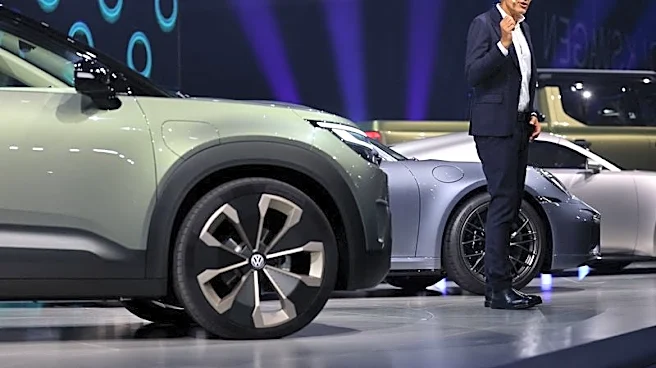
Volkswagen CEO Oliver Blume has issued a stark warning, describing the carmaker's situation as 'more than critical' due to significant global challenges and intense competition from Chinese manufacturers. Blume is scheduled to meet with employees at Volkswagen's
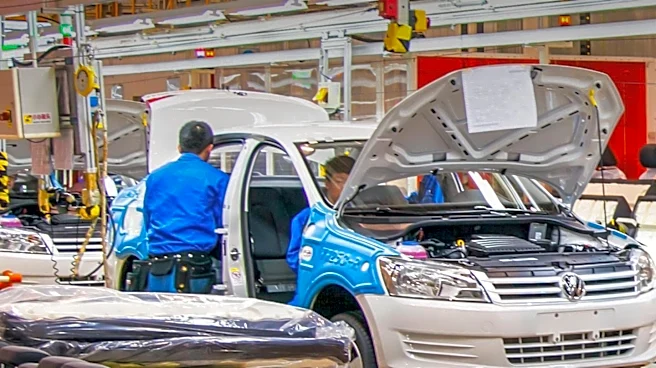
headquarters in Wolfsburg and other sites in Zwickau and Emden to discuss the company's ongoing savings plans. The German automotive industry, including Volkswagen, is facing what Blume termed 'the biggest upheaval in their history.' The company is contemplating substantial job cuts and has indicated that several plants, including those in Emden, Hannover, Zwickau, and Neckarsulm, may not remain profitable into the 2030s. Blume also highlighted an over-production of 500,000 vehicles per year in Europe as a contributing factor to the company's difficulties.
Why It's Important?
This announcement from Volkswagen's CEO signals significant turbulence within one of the world's largest automotive manufacturers, with potential ripple effects across the global auto industry and U.S. markets. The challenges cited, including U.S. tariffs and Chinese competition, directly impact the competitive landscape for American carmakers and consumers. A struggling Volkswagen could lead to shifts in global supply chains, increased competition in key markets, and potentially influence investment decisions by other international automotive players in the U.S. The prospect of job cuts and plant closures in Germany also highlights the broader economic pressures facing traditional manufacturing sectors in developed nations, prompting questions about the future of automotive production and employment in an increasingly globalized and competitive environment.
What's Next?
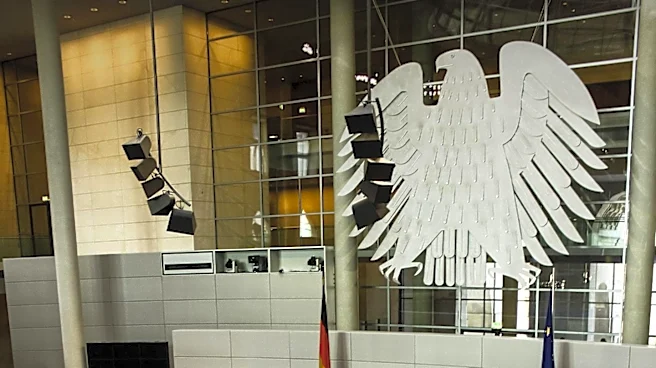
In the coming days, Oliver Blume will engage with Volkswagen employees to elaborate on the company's savings plans and address concerns regarding potential job cuts and plant closures. While Blume stated that closing factories would be a last resort, the company is actively exploring 'industrial solutions' for sites where car production might cease, including advanced talks with defense industry companies for its Osnabrueck factory. The company's supervisory board, which includes the Lower Saxony state government as a major shareholder, will continue to play a crucial role in approving or rejecting these plans. The head of the IG Metall union has already voiced strong opposition to the proposed factory closures, indicating potential labor disputes and negotiations in the near future. The company's ability to adapt to new technologies and products will be critical for its long-term sustainability.
Beyond the Headlines
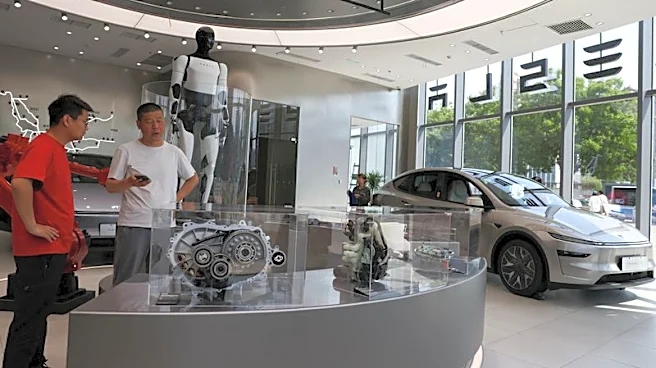
Volkswagen's critical situation reflects a deeper transformation occurring within the global automotive industry, driven by the shift towards electric vehicles, autonomous driving, and new mobility services. The intense competition from Chinese manufacturers, particularly in the EV sector, is forcing established players like Volkswagen to accelerate their innovation and cost-cutting efforts. The challenges also highlight the geopolitical complexities impacting global trade, with U.S. tariffs and international conflicts adding layers of uncertainty. This period of upheaval could lead to a significant restructuring of the automotive landscape, potentially resulting in new alliances, mergers, or even the decline of some legacy brands. The long-term implications extend to environmental sustainability, as carmakers grapple with the transition to greener technologies while maintaining profitability and employment.