




What's Happening?
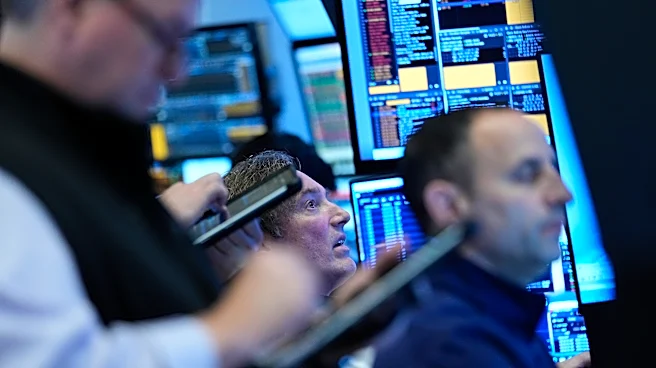
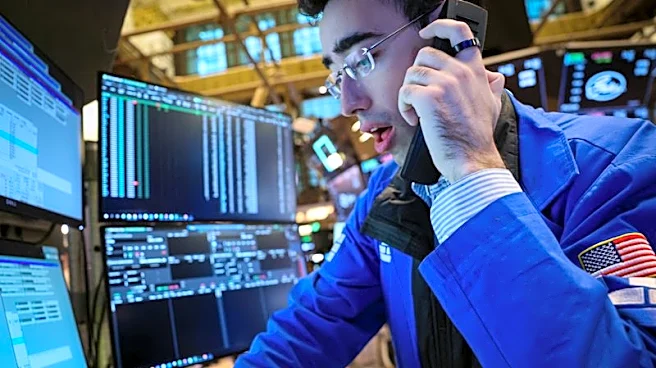
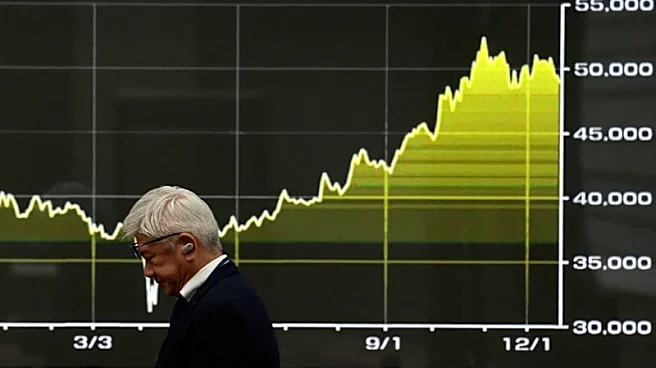
Wharton School professor Jeremy Siegel has expressed his views on the recent market downturn, which saw the S&P 500 and Dow Jones Industrial Average enter correction territory, falling over 10% from their record highs. The Nasdaq Composite erased its
gains for the year, and the Nasdaq 100 briefly entered bear market territory. Siegel noted that while the long-term average annual return for the stock market is typically 8% to 9%, recent AI-driven enthusiasm has led some investors to expect returns of 15% to 20%. He emphasized the need to realign these expectations with market realities. The market sell-off is attributed to several factors, including Anthropic's IPO triggering profit-taking, ongoing issues with NVIDIA, the S&P 500 breaking below its long-term trendline, persistent inflation pressuring the Federal Reserve to act, and slowing profit growth among AI companies. Siegel believes that current economic conditions are strong enough for this decline to be a normal correction, aimed at resetting overly inflated expectations.
Why It's Important?
This market correction is significant as it recalibrates investor expectations, particularly those fueled by the rapid growth in the artificial intelligence sector. Overly optimistic projections for AI-driven returns, as highlighted by Professor Siegel, can lead to market bubbles and subsequent sharp corrections. The current downturn impacts a broad range of U.S. investors, from individual shareholders to institutional funds, as major indices like the S&P 500 and Nasdaq have experienced substantial losses. The Federal Reserve's potential response to inflation, including further interest rate hikes, could also influence borrowing costs for businesses and consumers, affecting economic growth. Furthermore, the performance of key tech companies like NVIDIA and the broader AI sector can have ripple effects across the technology industry and related supply chains, influencing employment and investment decisions. The market's acknowledgment of accumulating 'straws'—such as geopolitical tensions affecting oil prices and concerns over slowing profit growth—underscores the interconnectedness of various economic and political factors.
What's Next?
Looking ahead, market participants will closely monitor the Federal Reserve's actions regarding interest rates, especially given warnings from officials like Governor Christopher Waller about potentially more aggressive stances to combat inflation. The market anticipates further rate hikes in December and January, which could impact corporate earnings and investor sentiment. The performance of AI-related stocks, particularly after Anthropic's IPO and NVIDIA's ongoing challenges, will be a key indicator of investor confidence in the sector. The S&P 500's ability to recover above its 200-day moving average will be crucial for technical traders and could signal a shift in market momentum. Additionally, any developments in geopolitical tensions, such as potential renewed strikes against Iran, could further influence oil prices and global economic stability, adding another layer of uncertainty to market forecasts. Investors are advised to hold onto their stocks, according to Siegel, suggesting a belief in long-term market resilience despite short-term volatility.
Beyond the Headlines
The current market correction extends beyond immediate financial losses, hinting at a broader re-evaluation of technological innovation's economic impact. The initial public offering of Anthropic, coupled with increased selling pressure on NVIDIA, suggests a potential shift from speculative enthusiasm to a more grounded assessment of AI companies' valuations and sustainable growth. This period could mark a critical juncture where the market distinguishes between genuine long-term value and short-term hype in emerging technologies. The emphasis on 'realigning expectations' by Professor Siegel points to a necessary maturation of investment strategies, moving away from the assumption of perpetually high returns driven by single sectors. This could lead to a more diversified investment approach and a greater focus on fundamental economic indicators rather than speculative trends. The market's reaction to these 'straws' also highlights the fragility of investor confidence, where a confluence of seemingly minor issues can trigger significant downturns, underscoring the psychological aspects of market dynamics.