





What's Happening?
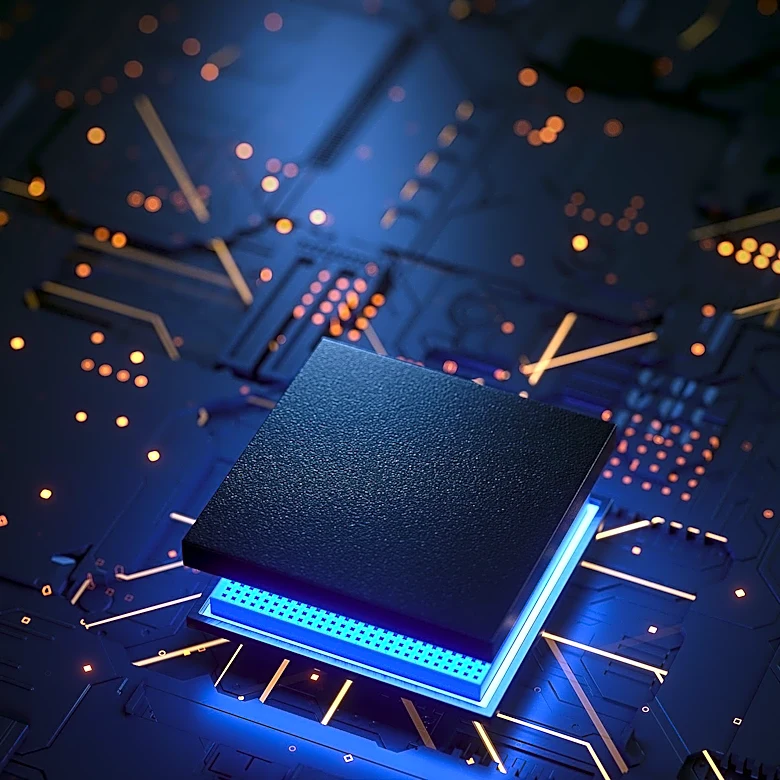
ASML's Extreme Ultraviolet (EUV) lithography system is at the forefront of modern chip manufacturing, enabling the production of smaller and faster computer chips. The system uses EUV light with a wavelength of 13.5 nanometers, significantly shorter than
previous technologies, allowing for finer circuit patterns. The production process involves assembling thousands of modules from global suppliers, which are then aligned and tested before shipping. The system's design minimizes light loss by using mirrors instead of glass, as EUV light is absorbed by air and glass. This technology is crucial for the semiconductor industry, which relies on precise and efficient manufacturing processes to meet the growing demand for advanced chips.
Why It's Important?
The development of EUV lithography is a major advancement in the semiconductor industry, as it allows for the continued miniaturization of chips, which is essential for the advancement of technology. Smaller chips mean more powerful and efficient electronic devices, which can drive innovation across various sectors, including consumer electronics, automotive, and telecommunications. ASML's technology supports the industry's ability to keep pace with Moore's Law, which predicts the doubling of transistors on a chip approximately every two years. This capability is vital for maintaining the competitive edge of companies in the semiconductor market and for meeting the increasing demand for high-performance computing.
What's Next?
As the semiconductor industry continues to evolve, the adoption of EUV lithography is expected to expand. Companies will likely invest in upgrading their manufacturing facilities to incorporate this technology, which could lead to increased production capacity and efficiency. The ongoing development of EUV systems may also focus on further reducing costs and improving the reliability of the technology. As demand for advanced chips grows, particularly with the rise of AI and IoT devices, the role of EUV lithography will become even more critical in enabling technological progress.