





What's Happening?
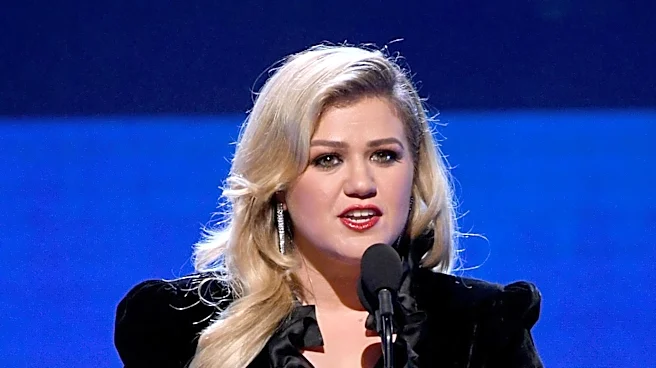
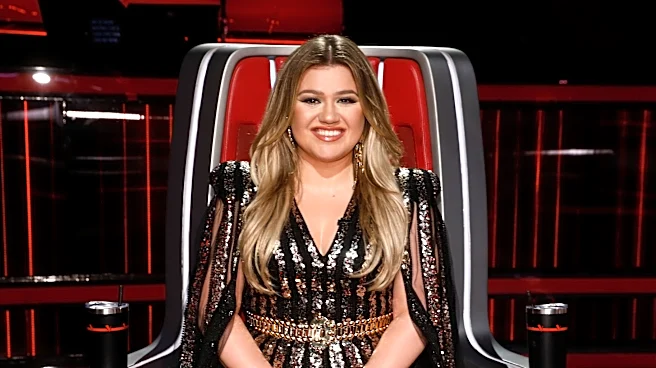
Kelly Clarkson has initiated a public feud with Art of Play, a small magic shop in Brooklyn, accusing its staff of treating her dismissively, akin to Julia Roberts' character in 'Pretty Woman.' Clarkson detailed her experience in an X post, claiming she
was 'looked at as if I couldn’t afford it' when attempting to purchase an item. The dispute centers around a mechanical bird automaton named 'Molly,' which Clarkson believed was for sale. She posted a photo showing what appeared to be a $15,000 price tag next to the bird. In response, Art of Play issued a statement asserting that 'Molly' is a permanent fixture, not for sale, and serves as a mascot for their magic shows. They clarified that they offered to show Clarkson a similar, purchasable automaton from a German clockmaker for $2,000, but she reportedly did not stay to see it. Clarkson subsequently accused the store of lying and being rude, maintaining that a conversation about the bird's sale and price did occur.
Why It's Important?
This public disagreement highlights the complexities and potential pitfalls of customer service interactions, especially when involving public figures and small businesses. For Art of Play, the incident could significantly impact its reputation and customer perception, potentially leading to a decline in business due to negative publicity from a celebrity with a large following. Conversely, the attention, even if negative, could also bring increased visibility to the store. For Kelly Clarkson, the incident underscores the power of celebrity influence on social media, where a single post can quickly escalate into a widespread public debate. It also raises questions about the responsibility of public figures when sharing negative experiences, particularly concerning small businesses. The situation also touches on broader themes of consumer experience, perceived classism, and the challenges small businesses face in managing public relations in the digital age.
What's Next?
The immediate next steps involve potential further public statements from either Kelly Clarkson or Art of Play, as the store has indicated attempts to reach out to Clarkson to 'clear the air.' The public and media will likely continue to monitor the exchange for any resolutions or further escalations. The incident could prompt discussions among consumers and businesses about appropriate conduct and expectations in retail environments. For Art of Play, managing the fallout will be crucial, possibly through further public clarifications or direct engagement with Clarkson. For Clarkson, the incident may lead to increased scrutiny of her public interactions and social media posts. The situation could also inspire other small businesses to review their customer service policies and prepare for potential public relations challenges, especially when dealing with high-profile individuals.
Beyond the Headlines
Beyond the immediate back-and-forth, this incident delves into the ethical considerations of celebrity power and its impact on small enterprises. Clarkson's initial post, while expressing her personal frustration, inadvertently mobilized her fanbase against a small business, raising questions about the disproportionate influence celebrities wield. The 'Pretty Woman' analogy itself evokes themes of judgment based on appearance and perceived wealth, which resonates deeply in societal discussions about class and consumerism. The differing accounts of the interaction also highlight the subjective nature of customer service experiences and the difficulty of establishing objective truth in such disputes. This event could serve as a case study for how digital platforms amplify personal grievances into public spectacles, forcing both individuals and businesses to navigate complex reputational landscapes. It also subtly underscores the ongoing tension between supporting local businesses and holding them accountable for service quality.