







What's Happening?
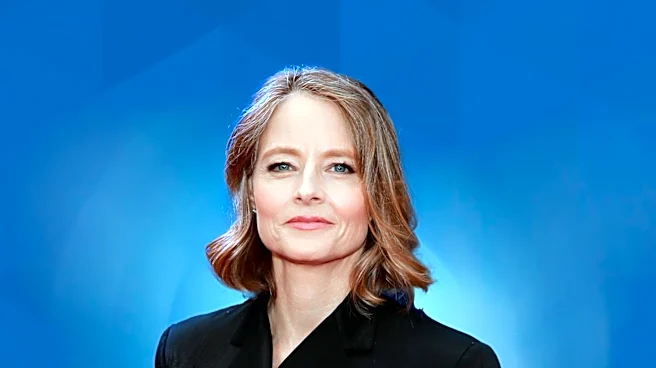
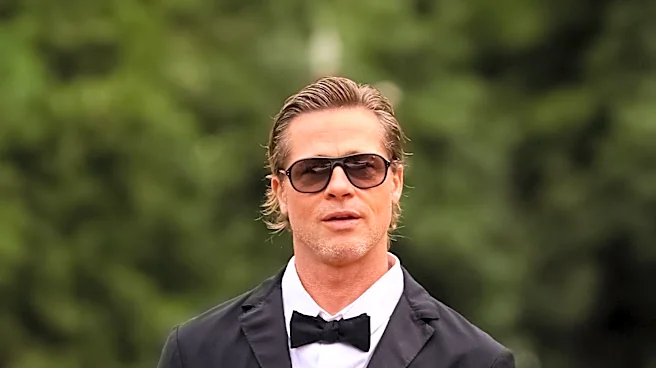
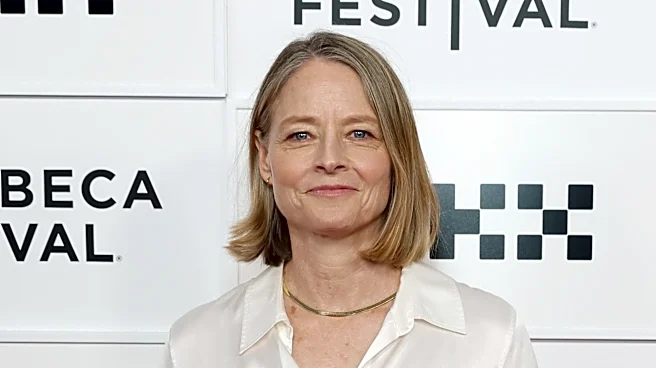
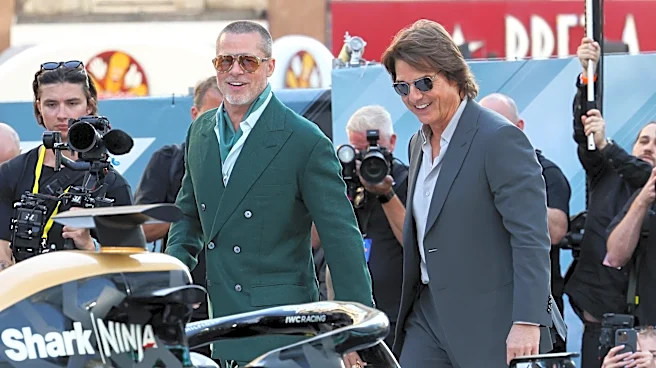
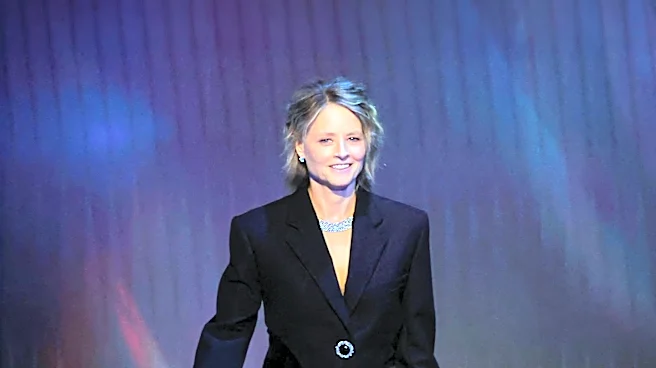
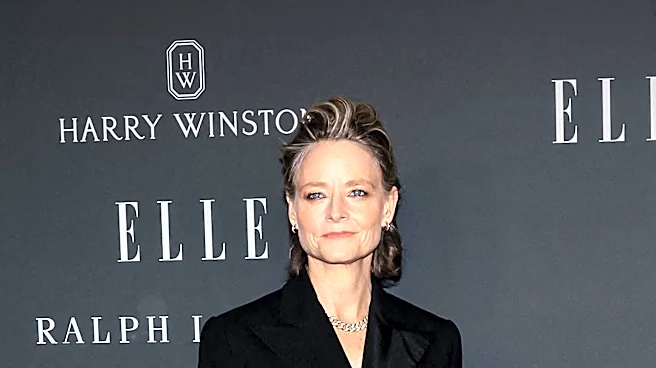
During a discussion at the Aspen Festival of Ideas, Jodie Foster commented on the film 'F1', starring Brad Pitt, suggesting it seemed as if it was made by artificial intelligence. Foster, speaking with former Sony Pictures CEO Michael Lynton, highlighted
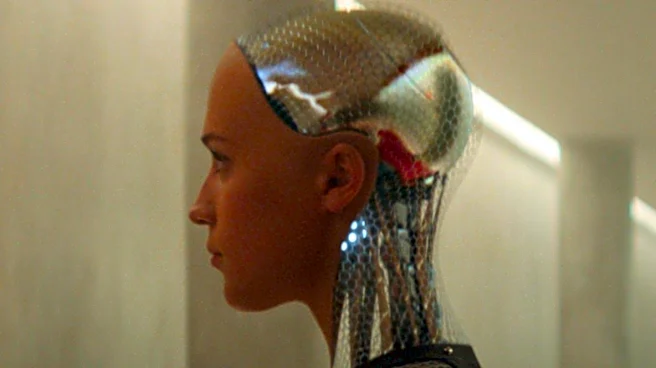
how the film's structure and dialogue appeared formulaic, akin to what might be produced by AI. Despite her critique, she acknowledged the film's commercial success, having grossed $634 million worldwide and receiving four Oscar nominations, including a win for best sound. Foster's remarks were part of a broader conversation on the impact of AI on Hollywood, where she expressed concerns about AI potentially replacing actors and writers. She noted that while AI can be beneficial for certain production aspects, such as pre-visualization, it poses a threat to jobs in the industry.
Why It's Important?
Foster's comments underscore a growing debate in Hollywood about the role of AI in filmmaking. As AI technology advances, it raises questions about the future of creative industries and the potential displacement of human talent. The film industry, which has already seen significant changes with the advent of CGI and digital technology, faces new challenges as AI could further automate aspects of production. This could lead to cost savings for studios but also threatens jobs, particularly for background actors and writers. Foster's call for union intervention highlights the need for industry regulations to protect workers' rights in the face of technological advancements.
What's Next?
The conversation around AI in Hollywood is likely to continue, with stakeholders such as filmmakers, studios, and unions needing to address the balance between technological innovation and job preservation. As AI tools become more integrated into film production, there may be increased pressure on unions to negotiate terms that ensure fair compensation for actors and writers whose work is replicated or replaced by AI. Additionally, the industry may see a push for creative control over AI technologies to ensure that films continue to reflect human creativity and storytelling.