




What's Happening?
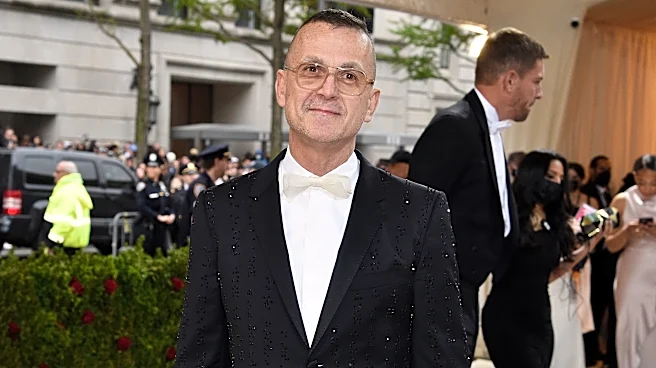
Steven Kolb has resigned from his position as CEO and President of the Council of Fashion Designers of America (CFDA) after 20 years of service. His resignation follows an incident at a New York Fashion Week (NYFW) runway show where he was filmed physically
restraining two animal rights activists from People for the Ethical Treatment of Animals (PETA). The activists were protesting the use of wool by the H&M group, which owns the brand COS, whose show was being disrupted. Kolb had been placed on leave pending a review of the incident. In a statement, Kolb expressed pride in his accomplishments at the CFDA and stated that it was the right moment for him and the organization to begin a new chapter. The CFDA board, which includes prominent designers like Thom Browne, Ralph Lauren, Tory Burch, and Michael Kors, acknowledged Kolb's dedication and leadership, respecting his decision to step down. PETA USA commented that the incident, which cost Kolb his job, could have been avoided if H&M's CEO had addressed their concerns regarding animal cruelty.
Why It's Important?
This event highlights the increasing pressure on the fashion industry regarding ethical sourcing and animal welfare. The public nature of the altercation and subsequent resignation of a high-profile industry leader like Kolb underscores the growing influence of animal rights organizations and the scrutiny brands face. For the CFDA, a non-profit organization dedicated to supporting and promoting U.S. designers and organizing NYFW, this leadership change comes at a critical time. It could prompt a re-evaluation of how the organization handles protests and its stance on sustainability and ethical practices within the industry. The incident also brings to the forefront the challenges of managing live events in an era of heightened activism, potentially leading to stricter security measures or revised protocols for handling disruptions at major fashion events. The departure of a long-serving CEO could also signal a shift in the CFDA's strategic direction and priorities, impacting American fashion designers and brands.
What's Next?
The CFDA is currently without a named successor for the CEO and President roles, indicating that the organization will need to initiate a search for new leadership. This transition period could lead to a re-evaluation of the CFDA's operational strategies, particularly concerning event management and public relations in the face of activism. PETA USA has indicated that they still plan to meet with Kolb, and hope that other industry leaders will take meaningful steps to address animal cruelty in fashion. This suggests continued pressure on fashion brands and organizations to adopt more ethical and sustainable practices. The incident may also lead to increased dialogue within the fashion community about the responsibilities of industry leaders in managing protests and upholding ethical standards. Future New York Fashion Week events might see enhanced security measures or new policies regarding activist interventions.
Beyond the Headlines
The resignation of Steven Kolb extends beyond a mere personnel change; it reflects a broader societal shift towards greater accountability for corporate and organizational leaders, especially concerning ethical and environmental issues. The incident underscores the tension between creative expression in fashion and the ethical demands of animal welfare advocates. It also highlights the power of visual media in shaping public perception and influencing professional consequences. The fashion industry, often criticized for its environmental and ethical footprint, is increasingly being forced to confront these issues publicly. This event could serve as a catalyst for deeper introspection within the industry regarding its supply chains, material choices, and public engagement strategies, potentially accelerating the adoption of cruelty-free alternatives and more transparent practices. The incident also raises questions about the appropriate response to protests and the boundaries of physical intervention by organizational leaders.