
What's Happening?
William Shatner has publicly disavowed the Quatloos ($QUATS) memecoin, stating that its organizers used his name, his manager's identity, and his charity, the Hollywood Charity Horse Show, without authorization.
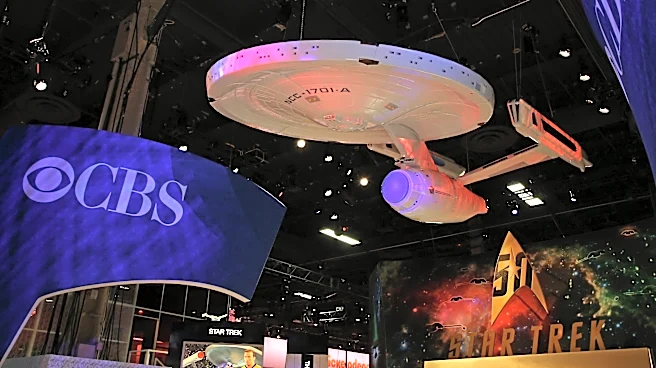
Shatner accused the promoters of creating a fake website, a fake newsletter, and inserting fabricated quotes to suggest his endorsement of the project. He also alleged that wallet accounts were set up and controlled by the organizers, who were falsely claiming his support. Shatner specifically called out a sponsored article that presented the token as a blockchain initiative announced by him, and he demanded that the activity cease. He further claimed that the coin used a copyrighted Star Trek name without a license, tagging Skydance in a related post.
Why It's Important?
This incident highlights the growing risks associated with celebrity endorsements and the use of public figures' images and names in the unregulated cryptocurrency market. For consumers, it underscores the importance of verifying the authenticity of such promotions to avoid potential scams. For celebrities and their legal teams, it emphasizes the need for vigilance in protecting their intellectual property and reputation in the digital space. The unauthorized use of a charity's name also raises ethical and legal concerns, potentially diverting funds from legitimate causes and damaging the charity's credibility. This event could lead to increased scrutiny and calls for stricter regulations on memecoin promotions and celebrity involvement in the crypto industry.
What's Next?
William Shatner has demanded that the unauthorized activities cease and has challenged the platform, Pump.fun, for hosting the sale of what he describes as a scam coin. It is likely that Shatner's legal team will pursue action against the organizers of the QUATS memecoin for intellectual property infringement, defamation, and unauthorized use of his name and charity. This could lead to legal battles and potentially set precedents for how celebrity likenesses and charitable organizations are protected in the decentralized finance space. The incident may also prompt cryptocurrency platforms to implement more stringent verification processes for projects promoted on their sites, especially those involving public figures.
Beyond the Headlines
The controversy surrounding the QUATS memecoin touches upon broader issues of digital identity, consent, and the challenges of policing misinformation in a rapidly evolving technological landscape. The ease with which fake websites and fabricated endorsements can be created and disseminated online poses a significant threat to public trust and individual reputations. This event could contribute to a larger conversation about the ethical responsibilities of social media platforms and cryptocurrency exchanges in preventing fraudulent activities. It also underscores the ongoing tension between the decentralized nature of blockchain technology and the need for accountability and consumer protection in the digital economy.