




What's Happening?
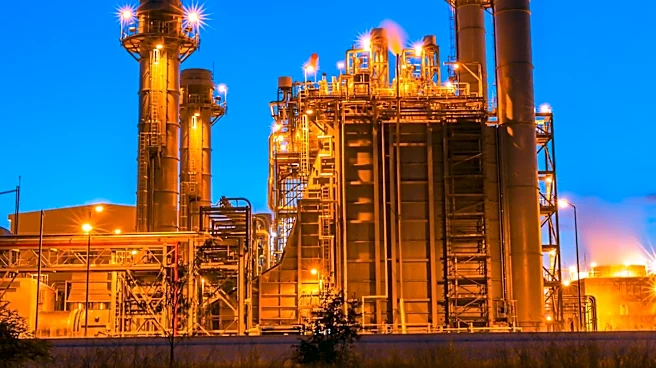
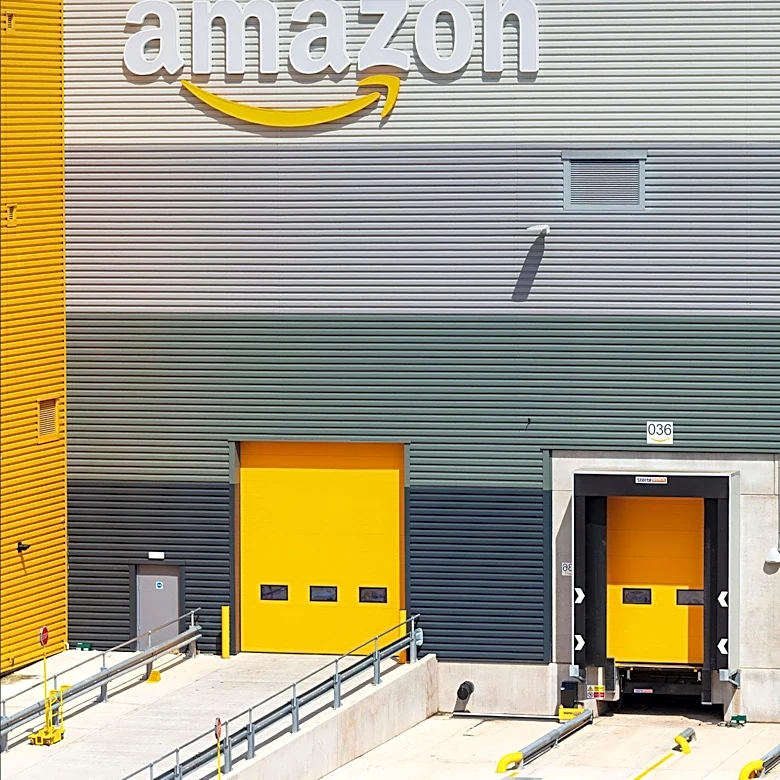
Amazon is constructing a new data center in Pecos County, Texas, powered by a natural gas plant capable of generating 7.65 gigawatts of electricity. This plant, using 35 natural gas turbines, is authorized to emit 33 million tons of CO2 annually, potentially
making it the largest source of greenhouse gas emissions in the U.S. This development comes despite Amazon's pledge to achieve net-zero carbon emissions by 2040. The company acknowledges the challenges posed by its AI-driven expansion on its climate goals but maintains its commitment to sustainability.
Why It's Important?
The construction of this power plant highlights the tension between Amazon's rapid data center expansion and its environmental commitments. As data centers become increasingly power-intensive, the reliance on fossil fuels raises questions about the feasibility of tech giants' sustainability pledges. This situation underscores the broader industry challenge of balancing growth with environmental responsibility. The plant's emissions could attract regulatory scrutiny and public criticism, potentially influencing future policy decisions regarding data center energy sourcing.
What's Next?
Amazon's decision to use natural gas for its data center power needs may prompt other tech companies to reassess their energy strategies. The environmental impact of such projects could lead to increased regulatory oversight and pressure from environmental groups. Amazon may need to explore alternative energy sources or invest in carbon offset initiatives to mitigate the plant's emissions. The company's ability to align its growth with its climate goals will be closely watched by investors and stakeholders.