





What's Happening?
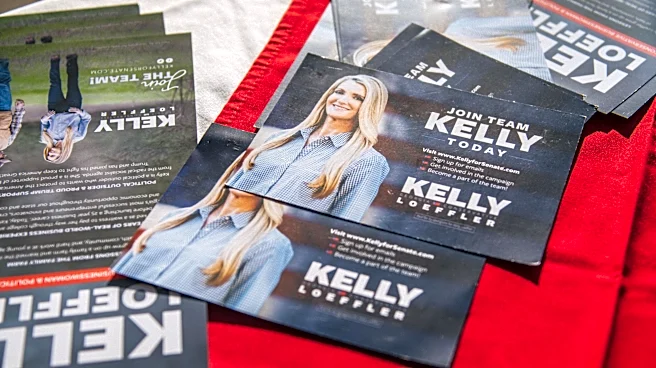
During an event commemorating National Veterans Small Business Week on November 9, 2026, U.S. Small Business Administration (SBA) Administrator Kelly Loeffler announced a new policy aimed at providing greater flexibility for eligible veterans seeking
SBA loans to finance business acquisitions. The policy allows veteran buyers to raise the full required equity injection from permitted outside sources, rather than being solely dependent on personal savings. Previously, sources like seller takeback notes were limited to providing only 50% of the total required equity injection. This change, effective through Fiscal Year 2027, will enable veterans to use external funding for 100% of the required equity contribution, such as a 10% equity contribution from a seller takeback note. The SBA is expected to issue a notice with further details to implement this policy change.
Why It's Important?
This policy change is significant for veteran entrepreneurs across the U.S. as it directly addresses a common barrier to business ownership: access to capital. By allowing greater flexibility in equity injection sources, the SBA is making it easier for veterans to acquire existing businesses without depleting their personal savings. This move could stimulate veteran-owned business growth, contributing to job creation and economic development. It specifically benefits veterans who may have limited personal capital but possess the skills and desire to run a business. The policy aims to level the playing field, ensuring that a veteran's ability to secure a loan is not solely tied to their personal financial liquidity but also to viable external funding options, thereby fostering a more inclusive entrepreneurial environment for those who have served.
What's Next?
The SBA is slated to issue a formal notice to implement this new policy, which will provide additional details and guidance for lenders and veteran applicants. This notice will clarify the specific requirements and procedures for utilizing the enhanced flexibility in equity injection. Lenders will need to adapt their processes to accommodate these changes, and veteran entrepreneurs will need to familiarize themselves with the updated guidelines to maximize their chances of securing financing. The policy's effectiveness will be monitored through Fiscal Year 2027, and its impact on veteran business acquisitions will likely be assessed to determine potential extensions or modifications in the future. This initiative is expected to be a key topic in upcoming SBA Lender Connect calls, where Administrator Loeffler and other officials will discuss program updates.
Beyond the Headlines
The enhanced flexibility for veteran business acquisition loans reflects a broader recognition of the unique financial challenges faced by veterans transitioning to civilian entrepreneurship. Many veterans may not have accumulated substantial personal savings during their service, making traditional equity requirements difficult to meet. This policy not only provides a practical solution but also underscores a commitment to supporting those who have served by facilitating their entry into the business world. It could also set a precedent for similar flexibility in other small business lending programs, potentially influencing how equity injections are viewed across various SBA initiatives. The long-term implications could include a more robust ecosystem of veteran-owned businesses, fostering economic independence and leveraging the leadership and organizational skills veterans bring to the private sector.