







What's Happening?
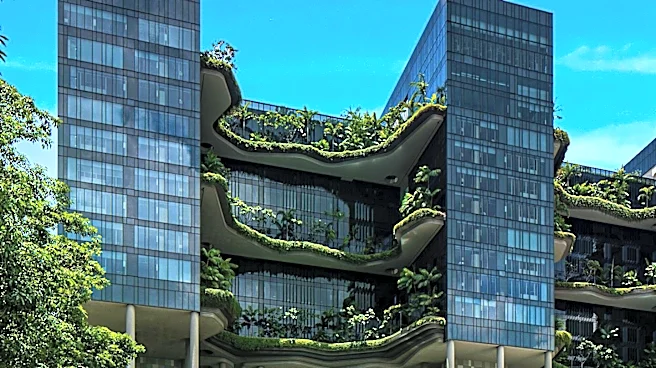
Luxury hotels are increasingly integrating sustainability into their operations while maintaining high standards of guest comfort and exclusivity. This shift is driven by the need to meet environmental, social, and governance (ESG) goals without sacrificing
the luxury experience that guests expect. The hospitality industry is under pressure from investors, regulators, and travelers to reduce its environmental impact. As a result, hotels are adopting practices such as energy-efficient building designs, water management, waste reduction, and responsible food sourcing. These initiatives are designed to enhance the guest experience by offering options like guest-controlled linen changes, farm-to-table dining, and premium electric vehicle charging facilities. The challenge lies in balancing operational sustainability with the personalized service that defines luxury hospitality.
Why It's Important?
The integration of sustainability into luxury hospitality is significant as it reflects a broader trend towards responsible tourism. This shift is crucial for the industry to align with global sustainability goals, such as the United Nations 2030 Sustainable Development Goals. By adopting sustainable practices, luxury hotels can enhance their brand perception and guest satisfaction. This approach not only meets the growing demand for environmentally conscious travel options but also positions hotels as leaders in sustainable luxury. The ability to offer a sophisticated and meaningful luxury experience that includes sustainability can attract a new segment of travelers who prioritize environmental responsibility. This trend also presents an opportunity for hotels to differentiate themselves in a competitive market by embedding sustainability into their brand narrative.
What's Next?
Luxury hotels are expected to continue evolving their sustainability practices to meet the increasing expectations of environmentally conscious travelers. This may involve further innovations in energy and water management, as well as the development of new guest experiences that emphasize sustainability. Hotels will likely focus on transparent communication of their environmental initiatives to bridge the gap between guest expectations and actual practices. As sustainability becomes a core component of luxury hospitality, hotels will need to ensure that their efforts are perceived as genuine and not merely cost-cutting measures. The future of luxury hospitality will depend on the ability to balance operational sustainability with personalized service and guest satisfaction.
Beyond the Headlines
The move towards sustainability in luxury hospitality has deeper implications for the industry. It challenges the traditional notion of luxury, which has often been associated with excess and opulence. By redefining luxury through the lens of responsibility and authenticity, hotels can create a more meaningful connection with guests. This shift also highlights the importance of aligning business practices with broader societal values, such as environmental stewardship and social responsibility. As luxury hotels embrace sustainability, they contribute to a cultural shift towards more conscious consumption and travel. This transformation may influence other sectors of the hospitality industry to adopt similar practices, further advancing the global sustainability agenda.