




What's Happening?
Langkawi, a Malaysian island destination, is highlighted for its diverse range of attractions and activities, catering to various traveler preferences. The island features unique dining experiences such as Cafe Laksa Rindu, a riverside restaurant where
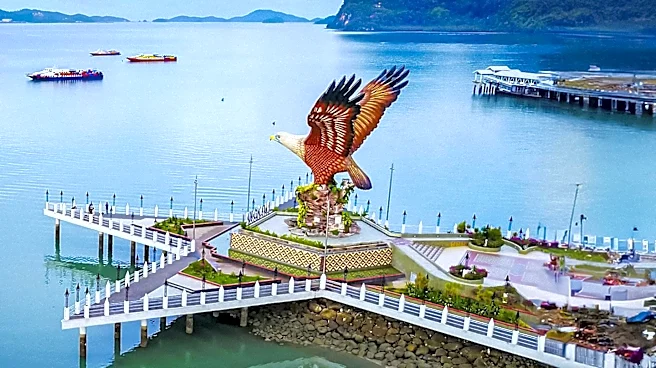
patrons can enjoy local dishes while soaking their feet in the river. For fine dining, Kayuputi at The St. Regis Langkawi offers contemporary cuisine. Culturally, Langkawi is rich with Malay heritage, influenced by Chinese and Indian traditions, evident at the Langkawi Craft Complex where artisans create local handicrafts like batik textiles and hand-painted ceramics. Hotels like Aloft by Marriott Langkawi Pantai Tengah also host workshops, including batik painting, allowing guests to engage with local culture. The island's culinary scene reflects its heritage, with an emphasis on fresh seafood available at night markets and streetside eateries. Langkawi's name itself, derived from 'helang' (eagle) and 'kawi' (reddish-brown), signifies 'the reddish-brown eagle island'.
Why It's Important?
The comprehensive offerings in Langkawi are important for the tourism sector, demonstrating how a destination can attract a broad spectrum of visitors by combining natural beauty with cultural and culinary experiences. The emphasis on unique local eateries and fine dining options caters to different economic segments, from budget-conscious travelers to luxury seekers, thereby broadening the island's appeal and potential revenue streams. Cultural immersion opportunities, such as craft complexes and workshops, not only enrich the visitor experience but also support local artisans and preserve traditional crafts. The promotion of local cuisine, especially fresh seafood, reinforces the island's identity and provides economic benefits to local food vendors and the fishing industry. This multi-faceted approach to tourism development can serve as a model for other destinations looking to enhance their visitor economy and cultural preservation efforts.
What's Next?
Langkawi is expected to continue its appeal as a year-end travel destination, with a reported 58% increase in searches, indicating sustained interest. The ongoing availability of diverse activities, from exploring natural landscapes like Kilim Geoforest Park to engaging in cultural workshops and enjoying varied dining options, suggests a continued focus on providing a well-rounded tourist experience. Hotels and resorts, including Marriott properties, are likely to maintain their role in offering curated experiences and accommodations, further solidifying Langkawi's position as a versatile destination. The island's commitment to showcasing its cultural heritage through food and crafts will likely remain a key draw, potentially leading to further development of cultural tourism initiatives and local business support.
Beyond the Headlines
Beyond the immediate tourism appeal, Langkawi's strategy of integrating cultural heritage with modern amenities highlights a broader trend in destination marketing: the shift towards experiential travel. By offering activities like batik painting workshops and promoting local night markets, Langkawi is not just selling a location but an authentic cultural encounter. This approach fosters a deeper connection between visitors and the local community, potentially leading to more sustainable tourism practices and a greater appreciation for the island's unique identity. The blend of natural attractions, adventure activities, and cultural immersion also positions Langkawi as a destination that caters to both relaxation and enrichment, appealing to a global audience seeking more meaningful travel experiences. The island's ability to balance luxury offerings with authentic local experiences could influence future tourism development strategies in similar island destinations.