





What's Happening?
The plant-based meat industry is undergoing a significant manufacturing shift, moving away from dedicated facilities towards contract manufacturing, shared infrastructure, and repurposed assets. This change is primarily driven by the unpredictable demand
for plant-based products, which makes dedicated facilities less financially attractive due to high fixed capital costs. According to Ewa Granosik, CEO and managing director at agritech consultancy Bright Green Partners, companies are increasingly utilizing contract manufacturing to convert fixed costs into variable expenses. Priyansha Reddy, commercialisation manager at the Good Food Institute (GFI) Europe, notes that brand-owned facilities struggle to spread fixed costs when production volumes are low, leading to higher consumer prices and suppressed demand. Luke Townsend, managing director at New Leaf Foods, adds that even at the peak of plant-based popularity, dedicated facilities faced challenges in securing sufficient volumes. While some larger companies like Vivera and Planted still use dedicated facilities, start-ups and smaller companies are more likely to opt for contract manufacturing or shared capacity, especially for new product launches.
Why It's Important?
This manufacturing shift is crucial for the plant-based meat industry's sustainability and growth in the U.S. market. By embracing contract manufacturing and shared infrastructure, companies can significantly reduce upfront capital investment, making it easier for start-ups and smaller brands to enter and innovate within the sector. This flexibility allows brands to test new products, scale up gradually, and enter new markets without the substantial financial risk associated with building and maintaining dedicated facilities. The ability to convert fixed costs into variable costs helps stabilize pricing for consumers, potentially boosting demand. Furthermore, utilizing existing equipment and infrastructure, along with skilled labor and technical expertise from contract manufacturers, enhances efficiency and quality control. This strategic pivot could lead to a more resilient and adaptable plant-based meat industry, capable of responding more effectively to market fluctuations and fostering greater product diversity.
What's Next?
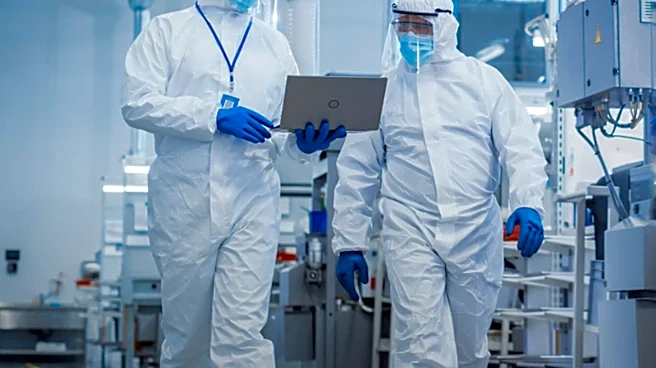
The trend towards contract manufacturing and shared assets is expected to continue as the plant-based meat industry matures and adapts to market dynamics. Companies will likely further explore partnerships with contract manufacturers to optimize production and reduce operational overhead. This could lead to an increase in specialized contract manufacturing facilities catering specifically to plant-based products, offering a wider range of processing capabilities. The industry will also need to address potential challenges associated with shared infrastructure, such as managing cross-contamination risks and ensuring stringent allergen controls, as highlighted by Luke Townsend. Continued innovation in processing technologies and ingredient sourcing will be vital to maintain product quality and appeal while leveraging these flexible manufacturing models. The success of this shift will ultimately determine the long-term growth trajectory and market penetration of plant-based meat alternatives.
Beyond the Headlines
Beyond the immediate economic implications, this manufacturing shift in the plant-based meat sector reflects a broader evolution in how food production industries are approaching efficiency and resource utilization. The repurposing of existing facilities, such as old breweries or pasta factories, for plant-based meat production exemplifies a circular economy approach, reducing waste and maximizing asset utility. This not only cuts down on capital expenditure but also contributes to environmental sustainability by minimizing the need for new construction. The emphasis on flexible production models also highlights a growing recognition of market volatility and the need for agile supply chains. This strategic adaptation could serve as a blueprint for other emerging food technologies and industries facing similar challenges of unpredictable demand and high initial investment, fostering a more sustainable and responsive manufacturing ecosystem.