









What's Happening?
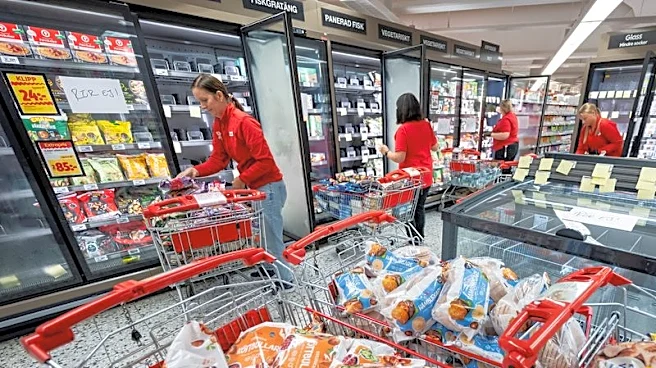
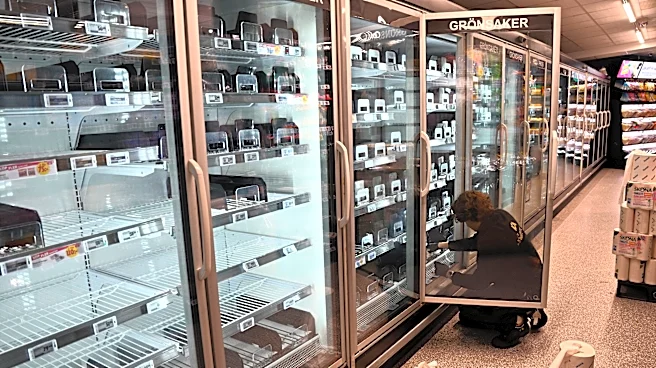
Grocery stores across several European countries, including Sweden, Belgium, Ireland, the Netherlands, and Estonia, have experienced cyberattacks targeting their refrigeration and freezer systems. These incidents, reported by ABC News and local broadcasters,
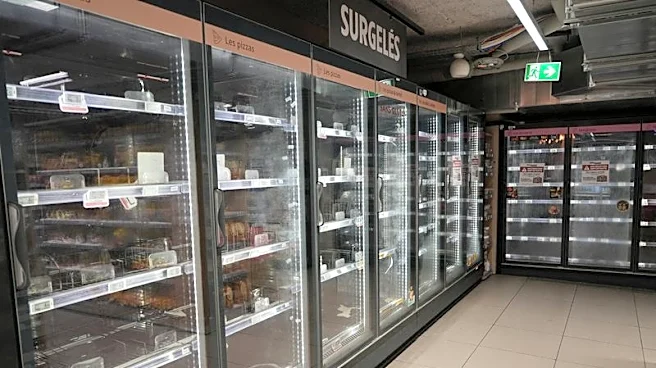
have altered the temperature settings of these units, leading to significant food spoilage. Swedish chains ICA and Coop confirmed impacts, with Coop stating seven out of 800 stores were affected and ICA noting an incident impacting a small number of its stores outside its central network. Belgian chains Delhaize and Carrefour also reported 'IT incidents,' with Carrefour indicating a limited impact on 15 of its 700 stores, primarily affecting freezers. Musgrave, owner of Irish chain SuperValu, reported 13 affected stores. A Dutch refrigeration company, Danfoss, stated that 17 facilities using its systems were impacted. These attacks appear to target smaller stores and specific refrigeration models, with some incidents occurring ahead of planned system upgrades due to similar issues in French grocery stores last month, where outdated software was reportedly a factor.
Why It's Important?
These cyberattacks highlight a growing vulnerability in critical infrastructure, specifically the supply chain for essential goods like food. The direct impact of food spoilage not only results in significant financial losses for grocery retailers but also poses potential public health risks if compromised food products are inadvertently distributed. For consumers, such incidents can lead to shortages of certain products and increased prices due to supply disruptions. The targeting of refrigeration systems, which are vital for food preservation, demonstrates a sophisticated and disruptive form of cyber warfare or criminal activity. The fact that similar attacks occurred in France and on U.S. military commissaries suggests a broader, potentially coordinated threat that could impact global food security and economic stability. This underscores the urgent need for enhanced cybersecurity measures across all sectors, particularly those critical to daily life.
What's Next?
European grocery chains and refrigeration system providers are expected to intensify their cybersecurity defenses and implement system upgrades to prevent future attacks. Coop, for instance, noted that the incident occurred ahead of a planned system upgrade, indicating a proactive response to previous vulnerabilities. The Pentagon is reportedly investigating similar cyberattacks on U.S. military commissaries, suggesting a coordinated effort to understand and mitigate the threat. Companies will likely invest in more robust network security, intrusion detection systems, and employee training to identify and respond to cyber threats. Regulatory bodies may also consider implementing stricter cybersecurity standards for critical infrastructure, including food supply chains, to protect against such disruptive incidents. Consumers may see temporary disruptions in product availability as stores recover from spoilage.
Beyond the Headlines
The recurring nature of these cyberattacks, particularly the mention of outdated software as a contributing factor in previous incidents, points to a systemic issue within industrial control systems. Many operational technologies (OT) in critical infrastructure, including refrigeration units, may not have been designed with modern cybersecurity threats in mind, making them susceptible to exploitation. This raises broader questions about the lifecycle management of industrial software and hardware, and the need for continuous security updates and patching. The potential for these attacks to escalate beyond food spoilage to more severe disruptions, such as power grids or water treatment facilities, is a significant concern. It also highlights the interconnectedness of global supply chains and the potential for localized cyber incidents to have far-reaching international consequences, necessitating a collaborative international approach to cybersecurity.