



What's Happening?
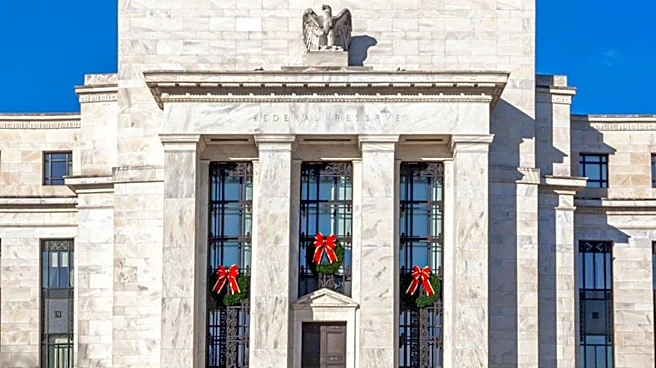
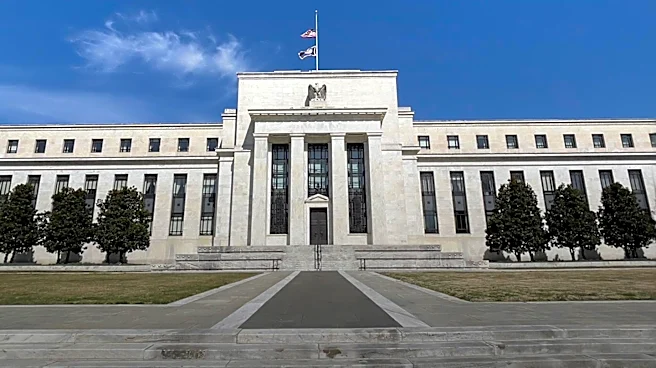
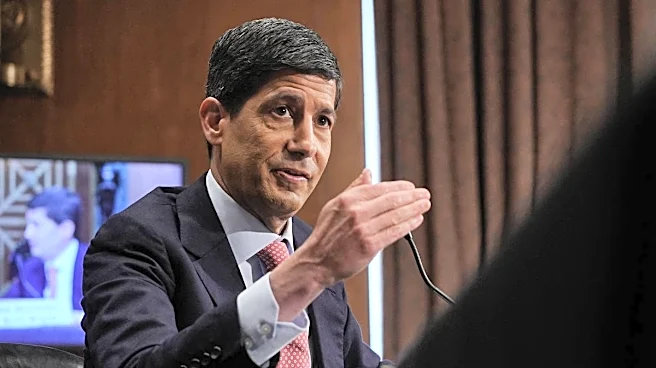
The Federal Reserve's interest rate outlook is currently a subject of significant market speculation. As Kevin Warsh assumes his role as Fed chair, the bond market and futures traders are anticipating at least two quarter-point rate hikes by the end of the year,
with some predicting as many as four. The two-year Treasury yield, a key indicator of market expectations, is currently at 4.33%, suggesting a potential rise in the federal funds rate. This expectation is driven by recent inflation data and energy price fluctuations, particularly the increase in oil prices following geopolitical tensions. The June Consumer Price Index indicated a drop in inflation, primarily due to decreased energy costs, but the recent surge in oil prices has reignited inflation concerns.
Why It's Important?
The Federal Reserve's decisions on interest rates have far-reaching implications for the U.S. economy. Rate hikes can influence borrowing costs, consumer spending, and investment decisions, impacting economic growth. The anticipation of rate increases reflects concerns about persistent inflation, which can erode purchasing power and affect economic stability. For businesses, particularly in the growth and technology sectors, higher rates could mean increased costs of capital, potentially slowing expansion plans. Conversely, a stable or reduced rate could support economic growth by keeping borrowing costs low. The Fed's communication strategy and policy direction will be crucial in shaping market expectations and economic outcomes.
What's Next?
The Federal Reserve's upcoming meetings will be closely watched for any changes in policy direction. Market participants will be looking for signals from Chair Warsh and other Fed officials regarding their confidence in the inflation outlook and any potential shifts towards a more accommodative policy. The Fed's communication, particularly around inflation and labor market conditions, will be critical in guiding market expectations. Any indication of a shift towards a 'higher-for-longer' stance or a more dovish approach could significantly impact financial markets, influencing stock prices, bond yields, and the U.S. dollar.