




What's Happening?
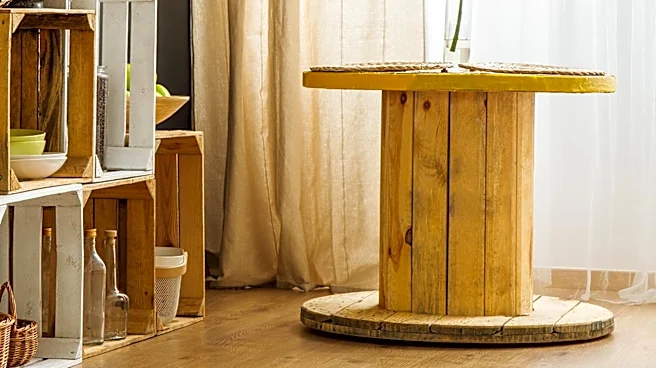
DIY enthusiasts are increasingly turning to upcycling old furniture as a cost-effective and personalized approach to interior decoration. Instead of purchasing new items, individuals are transforming existing pieces like side tables or wooden chairs through
sanding, painting, or adding new elements such as handles or peel-and-stick wallpaper. This method allows for significant customization, enabling homeowners to achieve a desired aesthetic without the expense of new purchases. The trend emphasizes creativity and individuality, encouraging people to mix old and new furniture, experiment with bold designs, and create spaces that reflect their unique tastes rather than adhering strictly to popular interior design styles. This approach not only saves money but also contributes to a more personal and story-rich home environment.
Why It's Important?
The growing popularity of upcycled furniture among DIY enthusiasts signifies a shift towards sustainable and budget-friendly home decor practices in the U.S. This trend empowers consumers to reduce waste by giving new life to discarded items, aligning with broader environmental consciousness. Economically, it offers a viable alternative to the often-expensive new furniture market, making home styling more accessible to a wider demographic. For small businesses and artisans specializing in furniture restoration or unique decor, this movement creates opportunities for custom work and specialized supplies. It also fosters a culture of creativity and self-expression, allowing individuals to imbue their living spaces with personal history and character, moving away from mass-produced uniformity. This focus on repurposing can also lead to a greater appreciation for craftsmanship and the longevity of furniture.
What's Next?
The upcycling trend is likely to continue gaining momentum, with an anticipated increase in online tutorials, workshops, and communities dedicated to furniture restoration and DIY decor. We may see more retailers offering specialized paints, tools, and materials tailored for upcycling projects. Additionally, the market for vintage and antique furniture, which serves as the raw material for many upcycling endeavors, could experience a boost. As more people discover the satisfaction and benefits of transforming old items, there could be a greater demand for unique, one-of-a-kind pieces that tell a story, further solidifying upcycling as a mainstream interior design choice. This could also lead to more collaborations between designers and upcycling communities, bringing innovative and sustainable designs to a broader audience.
Beyond the Headlines
Beyond its immediate benefits, the upcycling furniture movement reflects a deeper cultural shift towards valuing sustainability, resourcefulness, and individuality over consumerism. It challenges the 'fast furniture' mentality, encouraging a more thoughtful and long-term relationship with household items. This practice can foster a sense of accomplishment and connection to one's living space, as each piece tells a story of transformation. Ethically, it promotes responsible consumption and reduces landfill waste, contributing to a circular economy. Legally, it might influence regulations around waste management and product longevity, encouraging manufacturers to design products with end-of-life repurposing in mind. Culturally, it celebrates the beauty of imperfection and the charm of vintage items, moving away from a pristine, mass-produced aesthetic towards one that embraces character and history.