





What's Happening?
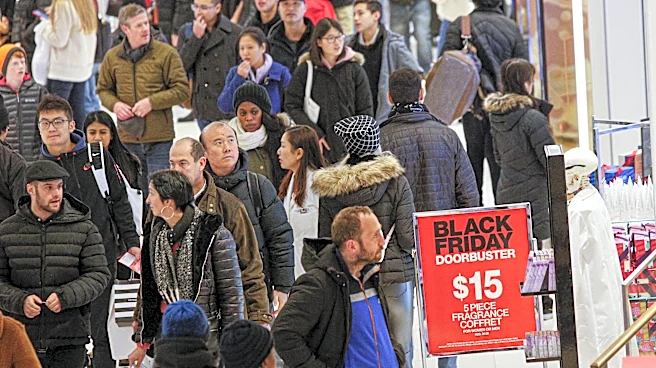
Retail sales, particularly at Costco, have experienced a significant surge due to a combination of recent tech outages and widespread panic buying triggered by social media posts. According to NBC News, consumers have been purchasing essential goods in large
quantities. Officials have clarified that the series of tech outages were not caused by malicious activity, despite some public concerns regarding potential infrastructure failures. This trend highlights a growing consumer response to perceived instability, whether real or amplified through digital platforms. The increased demand for essentials suggests a precautionary behavior among shoppers, aiming to secure supplies in anticipation of further disruptions. The phenomenon underscores the immediate impact of both technological reliability and social media narratives on consumer behavior and retail performance.
Why It's Important?
This surge in retail sales, driven by tech outages and social media-induced panic, is important because it reveals the fragility of consumer confidence and the powerful influence of digital information on economic activity. For U.S. retailers, understanding these triggers is crucial for inventory management, supply chain resilience, and customer communication strategies. The rapid shift in purchasing patterns can lead to stockouts and logistical challenges, impacting profitability and customer satisfaction. Furthermore, the public's reaction to non-malicious tech issues, amplified by social media, indicates a broader societal anxiety about infrastructure reliability. This could prompt businesses and government entities to re-evaluate their communication protocols during technical disruptions to prevent unnecessary public alarm and market volatility. The event also highlights the potential for social media to quickly mobilize consumer behavior, creating both opportunities and risks for the retail sector.
What's Next?
In the immediate future, retailers may need to adjust their inventory forecasting and supply chain logistics to account for potential spikes in demand driven by external factors like tech disruptions or social media trends. There could be increased investment in robust IT infrastructure and backup systems to minimize outages, as well as enhanced communication strategies to reassure consumers during such events. Government agencies and tech companies might also face pressure to provide more transparent and timely information during outages to mitigate public anxiety and prevent panic buying. Furthermore, social media platforms may come under scrutiny regarding their role in the rapid dissemination of information that can influence mass consumer behavior, potentially leading to discussions about content moderation and misinformation during crises. Retailers might also explore strategies to leverage social media more effectively for positive engagement rather than being reactive to panic-driven trends.
Beyond the Headlines
Beyond the immediate sales figures, this event points to deeper societal implications regarding trust in technology and information. The rapid spread of 'doomsday' narratives on social media, even in the absence of concrete threats, underscores a collective vulnerability to misinformation and fear-mongering. This could lead to a broader re-evaluation of digital literacy and critical thinking skills among the general public. Ethically, retailers might grapple with how to manage demand during panic buying without exploiting consumer fears or contributing to artificial scarcity. Legally, there could be discussions around the responsibility of social media platforms for content that incites panic or misinforms the public, potentially leading to new regulatory frameworks. Culturally, this trend reflects a growing reliance on digital connectivity and the psychological impact when that connectivity is disrupted, highlighting a need for greater resilience in both physical and digital infrastructures.