





What's Happening?
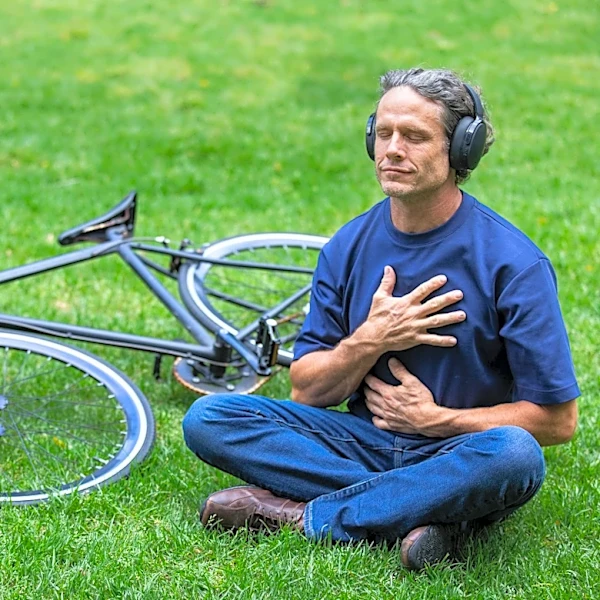
Breathwork, the conscious alteration of breathing pace, rhythm, or depth, is increasingly recognized for its potential to reduce stress and improve mood. Techniques range from slow, steady breaths to longer exhalations and brief pauses. Unlike meditation,
which often focuses on observing thoughts, breathwork directly manipulates breathing patterns. Research, including a 2023 meta-analysis in Scientific Reports, suggests that breathwork is associated with a small-to-moderate reduction in perceived stress, and can also improve anxiety and depressive symptoms. A separate 2023 study in Cell Reports Medicine indicated that five minutes of daily breathing exercises, particularly cyclic sighing, led to greater improvements in positive mood compared to mindfulness meditation. While these findings are encouraging, researchers emphasize the need for more studies to determine the most effective techniques and the long-term duration of benefits. Gentle breathing exercises are generally considered low risk, but individuals experiencing discomfort, dizziness, or increased anxiety are advised to stop and return to natural breathing.
Why It's Important?
The growing recognition of breathwork's benefits has significant implications for public health and wellness in the U.S. As stress and anxiety levels continue to be prevalent concerns, accessible and low-cost interventions like breathwork offer a promising avenue for individuals seeking to manage their mental well-being. The potential for even short daily practices, such as five minutes, to yield positive mood improvements could lead to wider adoption in workplaces, educational settings, and personal routines. This trend could reduce reliance on more intensive or costly interventions for mild to moderate stress, potentially easing the burden on healthcare systems. Furthermore, the emphasis on gentle techniques makes breathwork approachable for a broad demographic, including those new to mindfulness or relaxation practices. However, it's crucial to note that breathwork is not a substitute for professional mental health treatment for diagnosed disorders, highlighting the importance of integrating these practices as complementary tools.
What's Next?
Further research is anticipated to refine understanding of breathwork's efficacy, particularly in identifying which specific techniques are most beneficial for different conditions and populations, and how long their effects last. This ongoing research will likely inform best practices and potentially lead to more standardized guidelines for breathwork integration into wellness programs. As awareness grows, there may be an increase in demand for certified breathwork instructors and structured programs, both in-person and online. Educational institutions and healthcare providers might also explore incorporating breathwork into their offerings as a complementary therapy for stress management and mood enhancement. The development of accessible resources and clear guidance on safe practice will be crucial to ensure that individuals can effectively and safely utilize breathwork techniques.
Beyond the Headlines
The rise of breathwork reflects a broader societal shift towards holistic approaches to health and well-being, emphasizing the mind-body connection. This movement challenges traditional views that often separate physical and mental health, promoting self-regulation and personal agency in managing one's emotional state. The simplicity and accessibility of breathwork—requiring no special equipment and being performable anywhere—make it a powerful tool for democratizing wellness practices. It also highlights the inherent capacity of the human body to influence its own physiological responses, moving beyond external interventions. However, the commercialization of breathwork, including certification courses and specialized workshops, also raises questions about quality control and the potential for unqualified practitioners. Ensuring ethical and evidence-based practice will be vital to maintaining the credibility and effectiveness of breathwork as it gains mainstream acceptance.