






What's Happening?
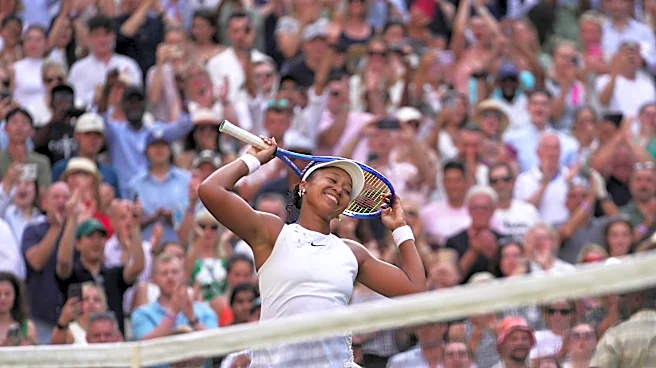
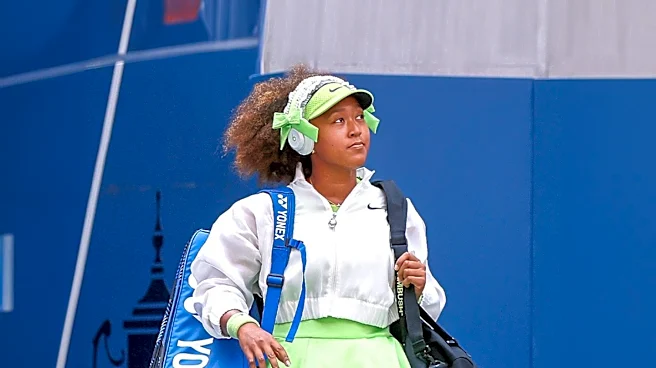
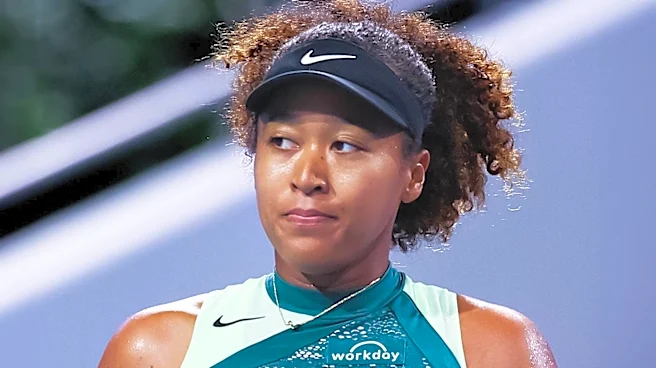
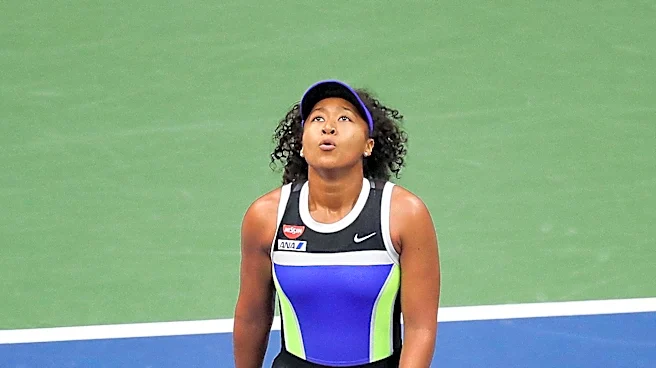
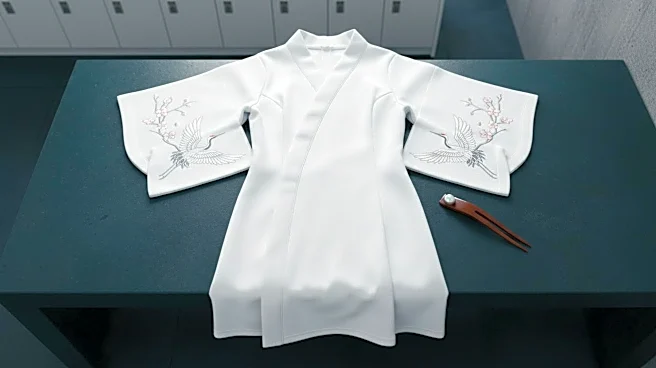
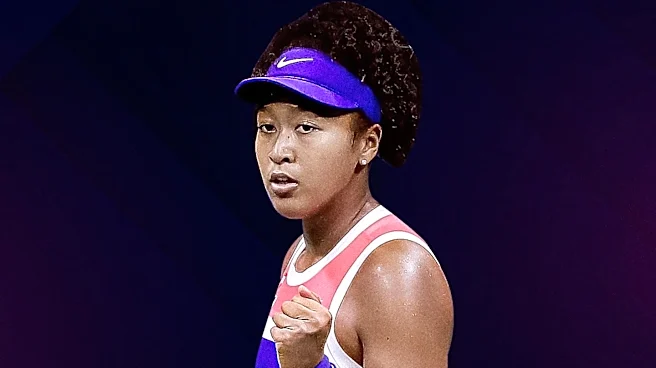
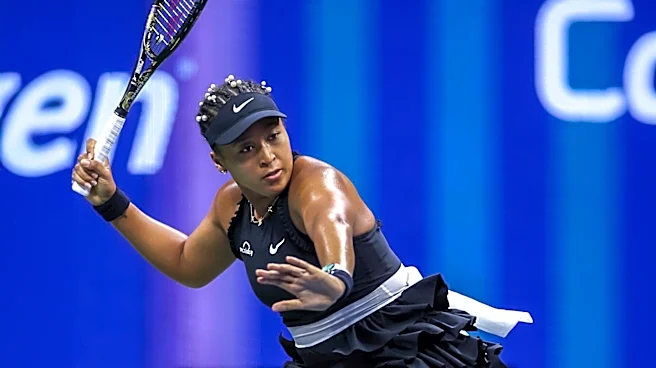
At the 2026 Wimbledon tournament, Naomi Osaka made headlines with her unique 'walk-on fits,' which included frills, bustles, and oversized bows, designed by Hana Yagi. These outfits, inspired by Japanese ceremonial dress and Quentin Tarantino's 'Kill
Bill,' adhered to Wimbledon's all-white dress code but were high-fashion enough to debut in Vogue. Osaka's fashion choices are part of a broader trend where tennis players use their pre-match attire to make sartorial statements. Other players, like Frances Tiafoe, have also embraced this trend, using dramatic reveals to showcase their outfits. This movement is not just about fashion but also about branding and commercial opportunities for athletes.
Why It's Important?
The trend of athletes using fashion to make statements at major sporting events like Wimbledon reflects a shift in how sports stars are perceived. They are no longer just athletes but also influential figures in fashion and branding. This trend allows players to diversify their appeal and open up new commercial opportunities beyond their sport. For brands, partnering with athletes like Osaka provides a platform to reach broader audiences. This intersection of sports and fashion can enhance an athlete's marketability and influence, as seen with figures like Serena Williams and Lionel Messi, who have successfully expanded their brands beyond sports.
What's Next?
As more athletes embrace fashion as part of their public persona, it is likely that the trend of 'walk-on fits' will continue to grow. Players may increasingly collaborate with designers to create unique looks that reflect their personal brand and appeal to fans. This could lead to more partnerships between athletes and fashion brands, further blurring the lines between sports and fashion. Additionally, as athletes become more involved in fashion, they may influence trends and consumer behavior, impacting both industries significantly.
Beyond the Headlines
The integration of fashion into sports events like Wimbledon raises questions about the role of personal expression in professional sports. While some players, like Osaka, use fashion to enhance their confidence and intimidate opponents, others may view it as a distraction from the sport itself. This trend also highlights the growing importance of personal branding in sports, where athletes are expected to cultivate a public image that resonates with fans and sponsors. As this trend evolves, it may challenge traditional notions of sportsmanship and professionalism in tennis and other sports.