






What's Happening?
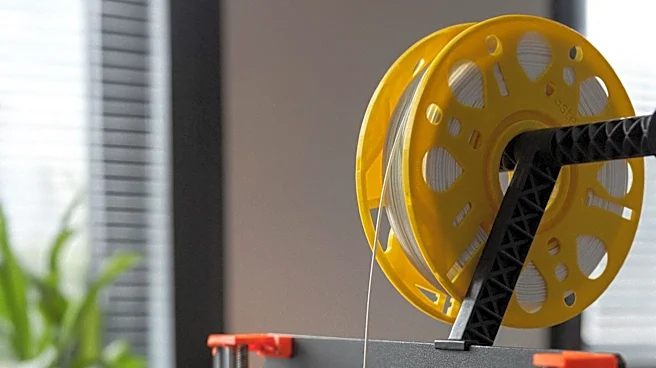
Wire Electrical Discharge Machining (Wire EDM) is a CNC-controlled precision machining process that removes electrically conductive material through controlled electrical discharges. This method utilizes a thin, continuously moving wire electrode and
a workpiece, separated by a small gap filled with dielectric fluid. The electrical discharges generate highly concentrated thermal energy, melting and vaporizing minute amounts of material, which are then flushed away by the dielectric fluid. This process is particularly effective for creating complex profiles, narrow slots, and precision components from hard, conductive materials without direct mechanical contact, thus minimizing cutting force. Industries such as tool and die manufacturing, mold making, aerospace, medical device manufacturing, and automotive applications widely employ Wire EDM due to its ability to achieve high dimensional accuracy and intricate geometries. The process often involves multiple cutting passes, with initial rough cuts for material removal and subsequent skim cuts to refine accuracy, straightness, and surface finish.
Why It's Important?
The widespread adoption of Wire EDM technology signifies a critical advancement in U.S. precision manufacturing, impacting various high-tech industries. Its capability to machine hardened and difficult-to-cut conductive materials with exceptional accuracy and minimal mechanical stress allows for the production of components that would be challenging or impossible with conventional methods. This is crucial for sectors requiring stringent tolerances and complex designs, such as aerospace and medical devices, where component failure can have severe consequences. The technology supports innovation by enabling the creation of more sophisticated tools, molds, and parts, thereby enhancing product performance and reliability. Furthermore, the demand for skilled Wire EDM operators, as indicated by job listings, highlights a growing need for specialized technical expertise within the manufacturing workforce, influencing educational and training programs to meet industry requirements. Companies that invest in and master Wire EDM gain a competitive edge by producing higher quality, more intricate parts efficiently.
What's Next?
The future of Wire EDM is likely to see continued advancements in machine capabilities, including even finer positioning accuracy and the ability to handle a broader range of materials. Research and development efforts will focus on optimizing electrical parameters, dielectric fluid systems, and wire electrode materials to further enhance cutting speed, surface finish, and overall efficiency. The integration of advanced CNC controls and automation will streamline operations, potentially reducing human intervention and increasing productivity. Training programs for Wire EDM operators will need to evolve to keep pace with these technological improvements, ensuring a skilled workforce capable of maximizing the potential of these sophisticated machines. As industries continue to demand higher precision and more complex geometries, the role of Wire EDM is expected to expand, driving further innovation in manufacturing processes and material science.
Beyond the Headlines
Beyond its immediate manufacturing applications, the precision offered by Wire EDM has deeper implications for material science and engineering. The ability to precisely cut and shape advanced materials, including superalloys and cemented carbides, opens new avenues for material research and the development of novel components with enhanced properties. This technology also contributes to the broader trend of miniaturization in various fields, from electronics to medical implants, by enabling the creation of extremely small and intricate parts. Ethically, the high precision and repeatability of Wire EDM can lead to more reliable and safer products, particularly in critical applications like medical devices and aerospace components. The continuous evolution of Wire EDM underscores a fundamental shift in manufacturing towards processes that prioritize precision, material integrity, and geometric complexity over brute force, reflecting a growing sophistication in industrial production and design capabilities.