







What's Happening?
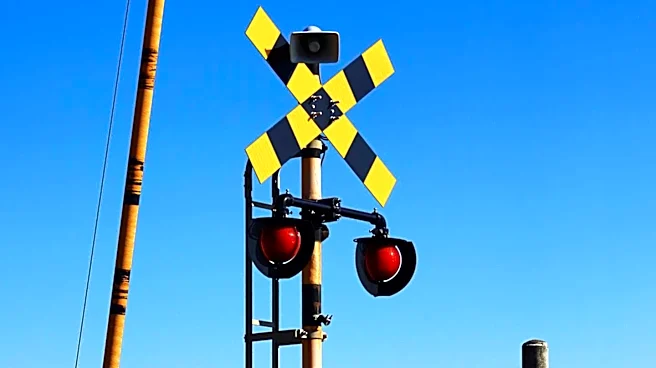
A federal appeals court has ruled in favor of Zayo Group, a fiber provider, in a dispute with CSX Transportation over access to railroad corridors for fiber optic cable installation. The U.S. Court of Appeals for the Seventh Circuit determined that CSX's
railroad easements do not grant the right to exclude third parties from the air above and ground below its tracks, provided that these activities do not disrupt railroad operations. The decision affirms a lower court ruling and is part of a broader conflict between telecom companies and railroads over crossing fees and access rights.
Why It's Important?
The court's decision is significant for the telecommunications industry, as it supports the deployment of fiber optic infrastructure without excessive fees or delays imposed by railroads. This ruling could facilitate faster and more cost-effective expansion of broadband services, particularly in rural areas where access to rail corridors is crucial. The outcome may influence similar disputes across the country and encourage legislative efforts to establish clearer guidelines for railroad crossing permits.
What's Next?
The ruling may prompt further legal challenges or legislative action to address the ongoing conflict between telecom providers and railroads. The RAIL Act, introduced by Senators Marsha Blackburn and Ben Ray Luján, aims to establish enforceable timelines and dispute resolution rules for railroad crossing permits. The decision could also lead to more standardized crossing fees and processes, reducing barriers to broadband deployment and supporting efforts to expand internet access nationwide.