







What's Happening?
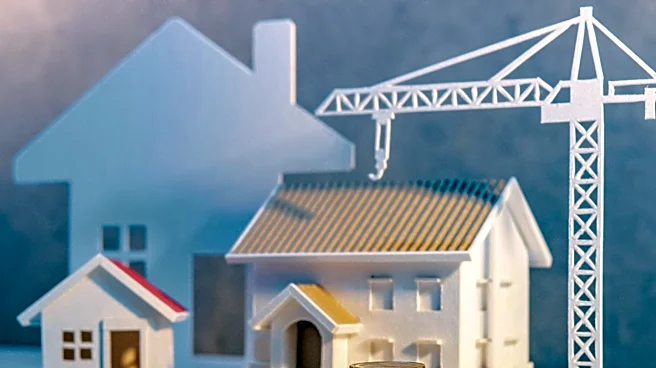
U.S. home builders are increasingly shifting their focus from new construction to remodeling and repair work due to a challenging market for new homes. Higher interest rates are deterring potential buyers, and rising construction costs have led to a 14-year
low in industry sentiment. Companies like Crystal Coast Construction Unlimited, which previously specialized in lavish new homes, are now undertaking more mundane tasks such as deck replacements and siding work. Similarly, Diamond Custom Homes has seen remodeling become the majority of its business, and White Maple Construction is struggling to expand into new custom home builds. This pivot is driven by homeowners choosing to renovate their current residences rather than move, often to retain lower mortgage rates and utilize built-up home equity. The median age of U.S. housing stock, which reached 43 years in 2025, also contributes to the demand for repairs and renovations.
Why It's Important?
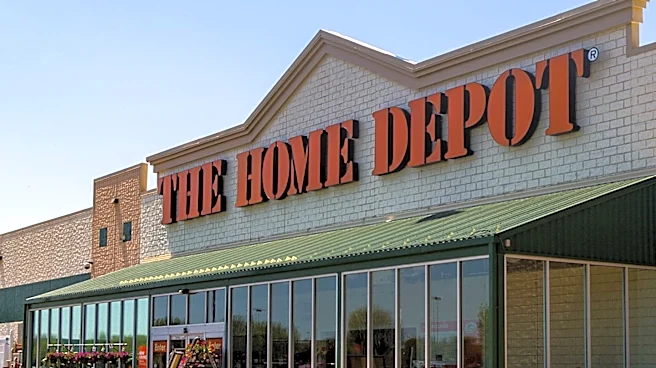
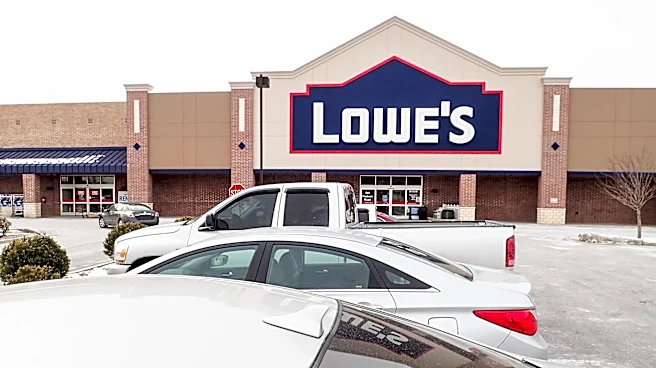
This shift in the home building industry has significant implications for the U.S. housing market and related sectors. Homeowners are increasingly opting to stay in their existing homes, driven by high mortgage rates that make new purchases less attractive. This trend is boosting the remodeling market, providing a lifeline for builders facing a slump in new construction. The ability of homeowners to tap into record levels of home equity further fuels this demand for renovations. While the overall remodeling market is not booming, it offers a more stable revenue stream for builders. This also impacts home improvement retailers like Home Depot and Lowe's, which are maintaining sales growth by catering to construction professionals engaged in smaller projects. The aging housing stock in the U.S. ensures a continuous need for repairs and upgrades, including accessibility renovations for an aging population, creating a sustained demand for remodeling services.
What's Next?
The trend of home builders focusing on remodeling is expected to continue as long as interest rates remain high and new home sales are subdued. Builders will likely further adapt their business models to specialize in renovation projects, potentially leading to increased competition in the remodeling sector. Homeowners will continue to leverage their home equity for renovations, and the demand for specific types of upgrades, such as accessibility modifications for older residents, will likely grow. While the remodeling market offers stability, it also presents challenges, as renovation projects can be more complex and less lucrative than new builds. Companies may need to adjust their pricing strategies and operational efficiencies to remain competitive in this evolving landscape. The long-term impact on the housing market could see a greater emphasis on maintaining and upgrading existing properties rather than rapid expansion of new housing stock.
Beyond the Headlines
The pivot towards remodeling highlights a broader societal shift in how Americans view homeownership and investment. Instead of constantly seeking larger or newer homes, there's a growing emphasis on optimizing existing living spaces. This could lead to more sustainable housing practices, as renovating and extending the life of existing structures reduces the environmental impact associated with new construction. Furthermore, the increased demand for professional remodeling services, coupled with a decline in DIY projects, suggests a premium placed on time and specialized skills. This could foster growth in skilled trades and specialized construction services. The challenges faced by builders in adapting to less lucrative remodeling jobs also underscore the economic pressures on small and medium-sized businesses in a fluctuating market, potentially leading to consolidation or innovative business strategies within the construction industry.