





What's Happening?
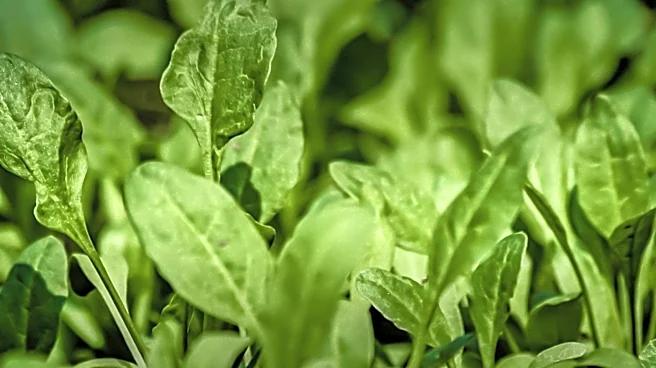
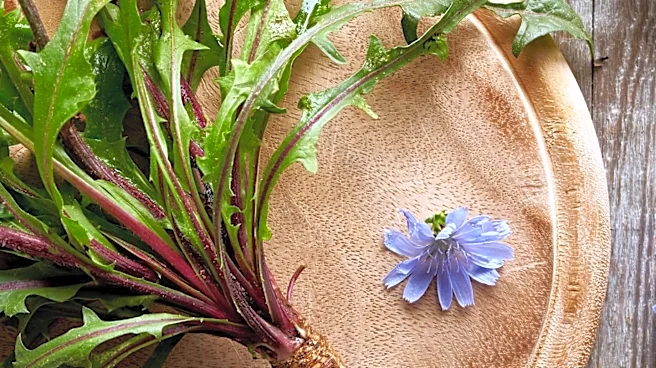
Gardeners are increasingly encouraged to embrace edible weeds, also known as wildflowers, as a nutritious and sustainable food source. These plants, often removed and discarded, grow freely and return annually, providing a consistent supply of food. Examples
include dandelions, chickweed, garlic mustard, and stinging nettles, all of which offer various culinary uses, from salad greens to cooked dishes. The practice involves identifying these plants correctly and ensuring they are harvested from areas free of pesticides or heavy pollution. This approach not only provides free food but also promotes a more resilient and sustainable gardening practice by utilizing what naturally grows in the environment.
Why It's Important?
The recognition of edible weeds as a valuable food source has significant implications for food security, sustainability, and dietary diversity in the U.S. By incorporating these readily available plants into their diets, individuals can access fresh, nutrient-rich produce without the need for cultivation or purchase. This reduces food costs, minimizes environmental impact associated with commercial agriculture, and fosters a deeper connection to local ecosystems. For communities, promoting edible weed foraging can enhance food resilience, particularly in urban areas where access to fresh produce might be limited. It also encourages a shift in perception, transforming 'weeds' from nuisances into valuable resources, thereby reducing waste and promoting ecological harmony in gardens and public spaces.
What's Next?
The trend of foraging for edible weeds is likely to grow, leading to increased demand for educational resources on plant identification and safe harvesting practices. Cookbooks and culinary workshops focusing on edible weeds may become more popular, introducing new flavors and techniques to a wider audience. Local governments and community organizations might initiate programs to identify and promote edible wild plants in parks and public lands, ensuring safe access and sustainable harvesting. This could also spur research into the nutritional benefits and cultivation potential of various edible weeds, further integrating them into mainstream dietary practices and sustainable food systems. The emphasis will be on responsible foraging to protect natural habitats.
Beyond the Headlines
Beyond the immediate benefits of food and nutrition, embracing edible weeds challenges conventional agricultural paradigms and our relationship with the natural world. It encourages a re-evaluation of what constitutes 'food' and 'waste,' promoting a more holistic and respectful interaction with biodiversity. This practice can foster a sense of self-reliance and resilience, empowering individuals to connect with their environment in a meaningful way. Ethically, it raises questions about land use, access to natural resources, and the value placed on wild plants. Culturally, it revives ancient foraging traditions, integrating them into modern lifestyles and promoting a deeper appreciation for the ecological richness often overlooked in manicured landscapes. This shift can contribute to a broader movement towards regenerative living and a more sustainable future.