






What's Happening?
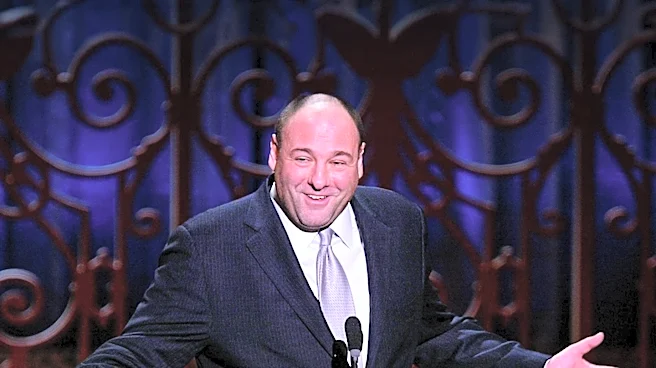
James Gandolfini, renowned for his role as Tony Soprano in HBO's 'The Sopranos,' was considered as a potential replacement for Steve Carell in 'The Office' after Carell's exit in 2011. This information was revealed by 'The Sopranos' co-stars Michael Imperioli
and Steve Schirripa during their 'Talking Sopranos' podcast in 2021. According to Schirripa, Gandolfini was offered approximately $4 million to join 'The Office' for a season. However, HBO reportedly paid Gandolfini $3 million to turn down the role. The decision by HBO was seemingly aimed at preserving the legacy of 'The Sopranos' and was also tied to Gandolfini's existing deal with the network. 'The Office' writer-producer Daniel Chun also confirmed discussions with Gandolfini, noting that while Gandolfini was complimentary of the show, he expressed uncertainty about his ability to perform in a comedic role, stating, 'I don't one hundred percent know how to play this.'
Why It's Important?
This revelation highlights the significant influence and strategic decisions made by major television networks in managing their talent and intellectual property. HBO's alleged payment to Gandolfini to prevent him from taking a role in a competing network's show underscores the value placed on maintaining the distinct brand and legacy of its flagship series, 'The Sopranos.' For actors, it illustrates the complex contractual obligations and career trajectory considerations that can arise, especially after achieving iconic status in a particular role. The 'what-if' scenario of Gandolfini joining 'The Office' also sparks discussion among fans about how such a casting choice could have dramatically altered the show's dynamic and subsequent seasons, potentially impacting its cultural footprint. This event also sheds light on the challenges actors face in diversifying their roles and breaking away from typecasting, as Gandolfini himself had expressed a desire to prove his versatility beyond Tony Soprano.
What's Next?
While James Gandolfini passed away in 2013, this historical anecdote continues to fuel discussions among television enthusiasts and industry analysts about the behind-the-scenes machinations of major productions. The story serves as a case study in talent management and brand protection within the entertainment industry. Future discussions might explore similar instances where networks or studios have intervened in actors' career choices to safeguard their own interests. For fans of both 'The Sopranos' and 'The Office,' the story will likely remain a fascinating piece of television lore, prompting continued speculation about an alternate reality where Tony Soprano might have managed Dunder Mifflin. The ongoing interest in such stories also suggests a broader public fascination with the business and creative decisions that shape popular culture.
Beyond the Headlines
Beyond the immediate financial and contractual implications, this story touches upon the broader theme of artistic legacy and the pressure on actors to define their careers. Gandolfini's reported hesitation about taking on a comedic role, despite its potential financial benefits, speaks to an artist's concern for authenticity and the challenge of transitioning between genres. HBO's intervention, while business-driven, inadvertently reinforced Gandolfini's association with his dramatic role, potentially limiting his perceived range in the eyes of some. This incident also highlights the power dynamics within the entertainment industry, where networks can exert considerable influence over an actor's career path, even after a show has concluded. It raises questions about creative freedom versus corporate control and the long-term impact of such decisions on an actor's public image and artistic development.