


What's Happening?
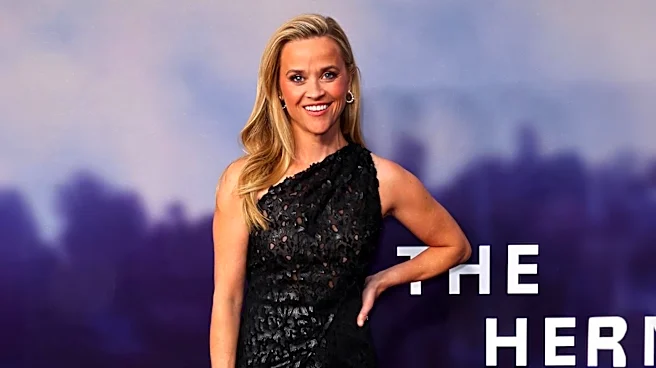
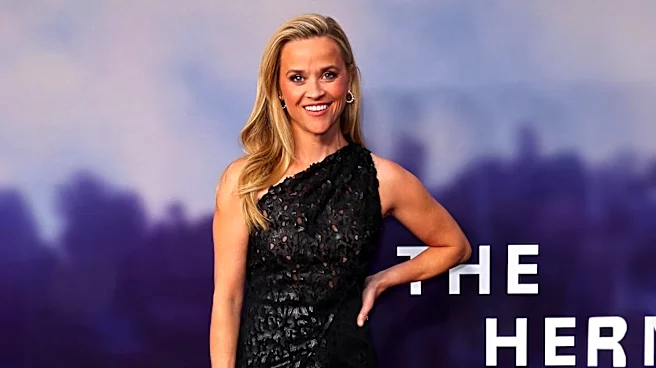
Actress Reese Witherspoon was once selected as a jury foreperson because fellow jurors believed she had attended law school, a misconception stemming from her role as Elle Woods in the film 'Legally Blonde'. Witherspoon recounted this experience, which
occurred approximately seven years after the 2001 comedy's release, during an appearance on 'The Graham Norton Show'. Summoned for jury duty in Beverly Hills, Witherspoon was surprised to be chosen for a lengthy civil trial. When the jury needed to select a foreperson, her peers quickly nominated her, citing their belief in her legal background due to her on-screen portrayal of a Harvard Law student. Witherspoon clarified the misunderstanding, explaining that she had not attended law school and had only played a lawyer in a movie, but the jury proceeded to appoint her as foreperson regardless.
Why It's Important?
This incident highlights the significant impact of celebrity and popular culture on public perception, even in formal civic duties like jury service. It demonstrates how fictional roles can blur the lines with reality in the minds of the public, leading to unexpected real-world consequences. For the legal system, it raises questions about potential biases and the influence of pre-conceived notions on jury selection and deliberation processes. The fact that jurors prioritized a perceived, albeit fictional, legal background over actual qualifications underscores a broader societal tendency to conflate on-screen personas with real-life expertise. This situation could potentially compromise the impartiality of a jury, as decisions might be swayed by celebrity status or fictional portrayals rather than solely on evidence and legal understanding.
What's Next?
While this specific event is a past anecdote, it serves as a cautionary tale regarding the influence of media on public perception. For the legal system, it reinforces the importance of thorough jury selection processes to mitigate biases, including those stemming from celebrity. For public figures, it underscores the lasting impression their roles can leave on audiences, potentially affecting their personal lives in unforeseen ways. The story may prompt further discussions on media literacy and the distinction between fictional portrayals and real-world qualifications. It also subtly emphasizes the responsibility of media consumers to critically evaluate information and not assume real-life attributes based on fictional characters.
Beyond the Headlines
The incident offers a unique glimpse into the psychological effects of media consumption and the blurring of reality and fiction in the public consciousness. It touches upon the phenomenon of parasocial relationships, where audiences develop a sense of familiarity and belief in the real-life attributes of fictional characters or the actors who play them. Ethically, it raises questions about the fairness of a legal process when a juror's perceived qualifications are based on a movie role. Culturally, it reflects the pervasive influence of Hollywood and how deeply embedded fictional narratives can become in collective understanding. The anecdote also provides a humorous yet insightful commentary on the public's perception of expertise and authority, especially when intertwined with the allure of celebrity.