



What's Happening?
Landmark Capital Advisors highlights the critical role of ongoing asset management in real estate investment, particularly in dynamic property markets. The firm stresses that property markets are subject to considerable changes over an investment's lifespan,
influenced by factors such as rental demand, interest rates, tenant requirements, construction costs, competition, and local infrastructure. Consequently, continuous monitoring of an asset's performance is essential for investors to track changes and make informed decisions as circumstances evolve. For companies like Landmark Capital Advisors, investment management and asset management are interconnected components of the real estate investment process. This approach extends beyond the initial capital deployment, encompassing activities like tracking occupancy, monitoring project progress, reviewing operating performance, assessing market demand, managing costs, and evaluating opportunities to enhance asset performance. These activities directly impact the long-term performance of institutional real estate portfolios.
Why It's Important?
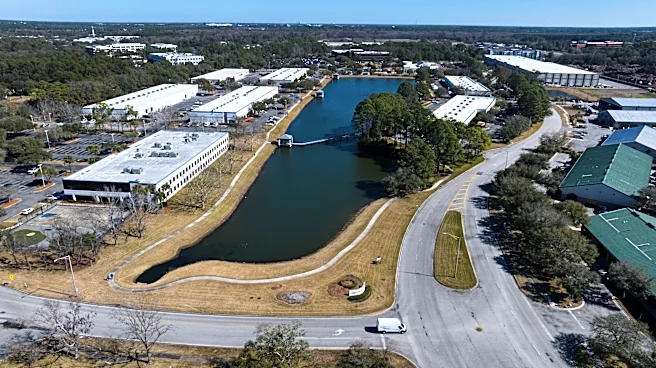
The emphasis on long-term asset management by firms like Landmark Capital Advisors is crucial for U.S. investors and the broader real estate sector. It underscores a shift towards a more proactive and adaptive investment strategy, moving beyond mere acquisition to continuous oversight. This approach helps mitigate risks associated with market volatility and ensures that real estate assets remain competitive and profitable. For institutional investors, this means better preservation and growth of capital, as informed decisions can be made to adjust to changing market conditions. The focus on detailed monitoring and management of various property types, including commercial, residential, and warehousing, reflects the increasing complexity of the real estate market. This strategy benefits stakeholders by optimizing asset performance, potentially leading to higher returns and more stable portfolios, while those who neglect ongoing asset management may face diminished returns and increased exposure to market downturns.
What's Next?
The continued focus on integrated investment and asset management suggests a trend towards more sophisticated and data-driven approaches in the real estate sector. Investors are likely to increasingly demand comprehensive asset management services that provide real-time insights into property performance and market dynamics. This could lead to further technological advancements in property monitoring and data analytics, enabling more precise and timely decision-making. Real estate investment firms may also expand their service offerings to include more specialized asset management solutions tailored to specific property types and market segments. The industry could see a greater emphasis on sustainability and operational efficiency within asset management strategies, as these factors increasingly influence property values and tenant demand. This evolution will likely shape how real estate investments are structured, managed, and evaluated in the coming years.
Beyond the Headlines
The integration of investment and asset management reflects a deeper understanding of real estate as a living asset that requires continuous nurturing rather than a static commodity. This perspective has significant ethical and cultural implications, promoting responsible stewardship of properties and their impact on communities. By actively managing assets, investors can contribute to urban development, job creation, and the provision of essential infrastructure, such as warehousing for e-commerce. The long-term view inherent in this approach also encourages sustainable practices and resilience against economic fluctuations. Culturally, it fosters a more professionalized and accountable real estate industry, where performance is measured not just by initial acquisition but by sustained value creation. This holistic approach can lead to more stable and beneficial outcomes for investors, tenants, and the wider economy, moving beyond short-term gains to foster enduring value.