





What's Happening?
Air Transport Services Group (ATSG) has finalized the sale of Omni Air International, a provider of passenger ACMI (Aircraft, Crew, Maintenance, and Insurance) and charter services, to OAI Holdings, LLC. The financial terms of this transaction were not
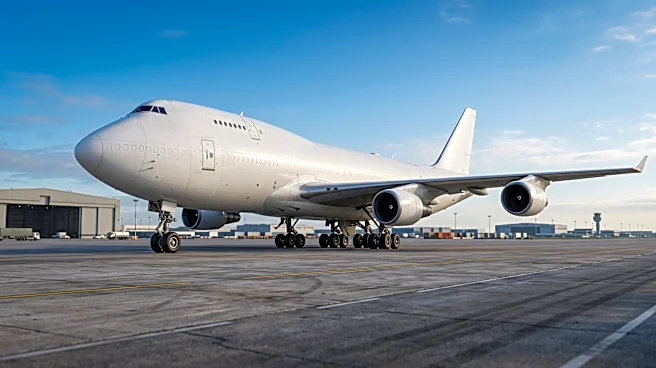
disclosed. This divestiture allows ATSG to sharpen its strategic focus on its core operations, which now center on air cargo transportation, aircraft leasing, and related maintenance, ground, and logistics services. Omni Air International, headquartered at Tulsa International Airport in Tulsa, Oklahoma, specializes in ACMI leasing and charter services, operating a fleet of Boeing 767 and 777 aircraft globally for U.S. and allied governments, scheduled airlines, and charter customers. According to ATSG President and CEO Greg Mays, the company had been exploring strategic options for Omni for some time and is confident in Omni's future under OAI Holdings.
Why It's Important?
This strategic move by ATSG signifies a clear pivot towards the burgeoning air cargo sector, reflecting a broader trend in the aviation industry. By divesting its passenger services arm, ATSG can allocate more resources and capital to its air cargo and aircraft leasing platforms, which have seen increased demand, particularly in recent years. This focus allows ATSG to capitalize on the growing e-commerce market and global supply chain needs, potentially enhancing its competitive edge and profitability in these specialized areas. For the U.S. economy, a stronger, more focused air cargo infrastructure can lead to more efficient goods movement, supporting various industries and consumer demands. The sale also highlights the dynamic nature of the aviation industry, where companies continuously adapt their portfolios to optimize for market opportunities and operational efficiencies. OAI Holdings, with its management team's deep aviation expertise, is positioned to continue Omni Air's operations, ensuring continuity for its existing clients, including government and commercial entities.
What's Next?
Following the sale, ATSG's operations will be concentrated on its two primary business platforms: aircraft leasing and airlines and services, specifically within the air cargo domain. This strategic realignment is expected to accelerate ATSG's investment in its core markets, allowing it to better meet the evolving needs of its air cargo and related customers. The company will likely continue to expand its fleet of cargo aircraft and enhance its maintenance, ground, and logistics services to support this growth. For Omni Air International, now under OAI Holdings, the immediate future involves continuing its passenger ACMI and charter services. The new ownership, which includes Omni Air International founder Rob Coretz and former Sun Country Airlines President and CEO Jude Bricker, suggests a leadership team with significant experience to guide Omni's future operations and market positioning. This transaction could also set a precedent for other aviation companies to re-evaluate their diverse portfolios and potentially streamline operations to focus on high-growth segments.
Beyond the Headlines
The divestiture of Omni Air International by ATSG underscores a significant strategic shift within the aviation industry, moving away from diversified operations towards specialized, high-demand sectors like air cargo. This trend reflects the increasing complexity and capital intensity of different aviation segments. The decision to sell a passenger charter service to focus on cargo highlights the perceived long-term growth potential and stability in logistics and freight, especially in an era of globalized trade and e-commerce. This specialization could lead to greater operational efficiencies and technological advancements within the air cargo sector, benefiting the broader supply chain. Furthermore, the transaction illustrates the role of private equity and experienced management teams in acquiring and revitalizing specialized aviation assets, ensuring their continued operation and contribution to the U.S. and international air transport landscape. The move also signals a strategic response to market conditions, where companies are optimizing their asset utilization and service offerings to maximize shareholder value and operational resilience.