






What's Happening?
Users of the Nest app now have the ability to change the room designation for their Nest products. This feature allows for greater personalization and organization within the app. Instead of being limited to a predefined list of locations, users can select
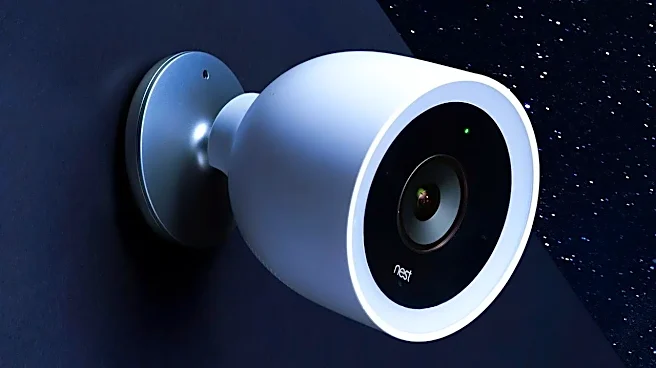
from suggested locations or create custom labels for their devices. For instance, a user might label a camera as 'Art Studio' to accurately reflect its placement. This update aims to enhance user experience by providing more flexibility in how products are categorized and managed within a smart home environment. The customization option is accessible through the product's settings within the Nest app, allowing for modifications at any time.
Why It's Important?
This update to the Nest app is important for several reasons, primarily impacting user convenience and the efficiency of smart home management. By enabling custom room labels, Nest is addressing a common user need for more precise organization, which can be particularly beneficial in homes with unique layouts or specific device placements. This enhanced personalization can lead to a more intuitive user experience, reducing confusion about which device is located where. For the smart home industry, this move highlights a trend towards greater user control and customization in device management, potentially influencing other manufacturers to offer similar features. It also underscores the importance of user feedback in product development, as such features often arise from consumer demand for more tailored solutions. Ultimately, this improvement can contribute to higher user satisfaction and engagement with the Nest ecosystem.
What's Next?
The introduction of custom room labels in the Nest app suggests a continued focus on user-centric design and personalization within Google's smart home ecosystem. Future updates could potentially expand on this by offering more advanced organizational tools, such as grouping devices by activity or creating custom scenes based on these personalized locations. This could lead to more sophisticated automation possibilities and a more seamless integration of smart devices into daily routines. Additionally, this move might prompt competitors in the smart home market to enhance their own app interfaces with similar or more advanced customization options, fostering innovation across the industry. Users can expect ongoing refinements to the app's interface and functionality, driven by the goal of making smart home management as intuitive and flexible as possible.
Beyond the Headlines
The ability to customize product locations within the Nest app reflects a broader shift in consumer technology towards hyper-personalization and user empowerment. Beyond mere convenience, this feature touches upon the psychological aspect of ownership and control over one's digital and physical spaces. In an increasingly interconnected world, where smart devices collect vast amounts of data, giving users more granular control over how these devices are organized and identified can foster a greater sense of trust and comfort. This trend also highlights the evolving relationship between users and their technology, moving from passive consumption to active participation in shaping their digital environments. Ethically, it underscores the importance of designing systems that respect individual preferences and provide tools for users to manage their data and devices in ways that align with their personal values and needs.