




What's Happening?
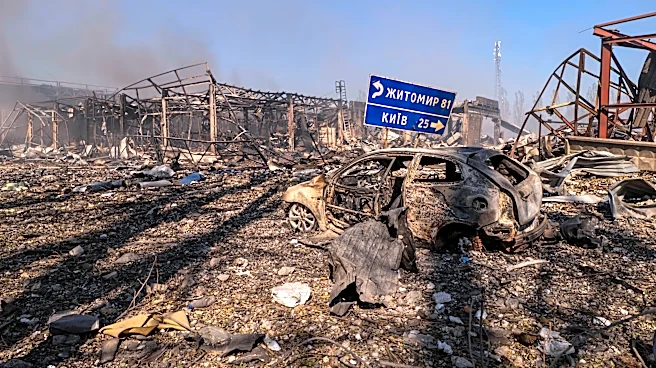
Disruptions in the Black Sea region, a critical corridor for sunflower oil exports, are significantly impacting global vegetable oil markets. Russia and Ukraine collectively account for over 57% of global sunflower oil trade. Recent attacks on port infrastructure
and export facilities, including Russia's Taman export hub and Ukraine's Kernel sunflower oil terminal, have led to suspended operations and constrained export capacity. This turmoil is expected to tighten global vegetable oil balances, increasing reliance on alternative oils such as palm oil, soybean oil, and rapeseed oil. India, a major importer of Black Sea sunflower oil, is particularly vulnerable. The country's heavy reliance on these supplies, coupled with Indonesia's B50 biodiesel mandate diverting palm oil for domestic consumption, is exacerbating the situation. While a strong soybean harvest in Latin America may partially offset the supply gap, it is unlikely to fully compensate for the reduced availability of palm oil and sunflower oil.
Why It's Important?
The instability in the Black Sea region has far-reaching implications for global food supply chains and commodity markets. As Russia and Ukraine are key price-setters for sunflower oil, reduced exports will likely drive up prices for all vegetable oils. For the U.S. and other global consumers, this could translate to higher costs for food products containing these oils. India, being one of the hardest-hit importers, faces increased freight costs due to longer-haul imports from Latin America, which will underpin soybean oil prices in its price-sensitive market. This could lead to demand destruction in India, a significant consumer market. The shift in sourcing and increased costs could also impact U.S. agricultural exports if global demand patterns for alternative oils change. The overall global vegetable oil trade is expected to shrink, affecting shipping demand for vegoil carriers and potentially leading to broader inflationary pressures.
What's Next?
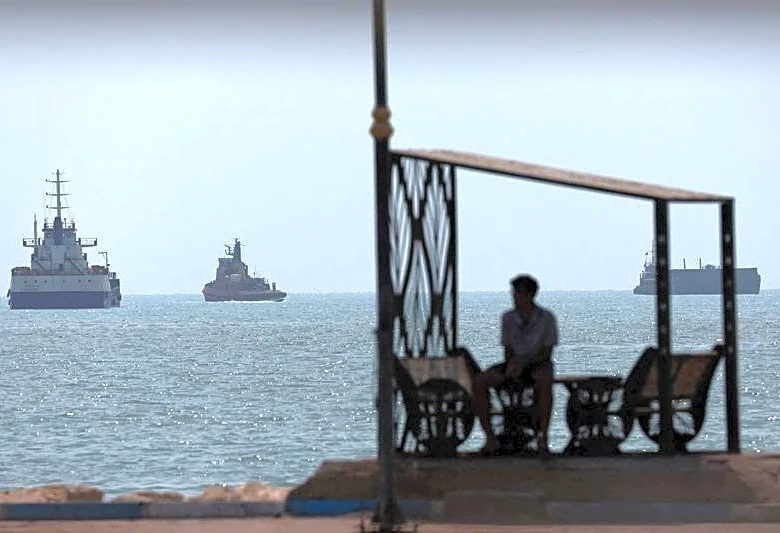
If disruptions in the Black Sea region persist, Russia's sunflower oil exports are expected to reduce significantly. Exporters are exploring alternative routes, such as routing cargoes through Baltic ports, which could increase tonne-mile demand for shipping but also raise inland transport costs, reducing competitiveness. Other alternatives, like the Caspian-Iran corridor and Ukraine's use of Danube ports, offer limited relief as they reduce the seaborne component of trade. India will continue to seek alternative vegoil suppliers, further deepening its dependence on long-haul shipments. The ongoing tightness in the global vegoil market suggests that any significant decline in sunflower oil trade will negatively impact the global vegoil trade and weaken demand for vegoil carriers. The situation will likely continue to put upward pressure on global vegetable oil prices, with potential ripple effects on food inflation worldwide.
Beyond the Headlines
The Black Sea turmoil highlights the fragility of global supply chains and the interconnectedness of international commodity markets. Beyond the immediate economic impact, the reliance on a few key regions for essential commodities like sunflower oil exposes vulnerabilities to geopolitical conflicts. This situation could accelerate efforts by nations to diversify their sourcing and potentially invest in domestic production of alternative oils to enhance food security. The increased freight costs and longer supply routes also underscore the environmental implications of global trade, potentially leading to higher carbon emissions. Furthermore, the pressure on price-sensitive markets like India could exacerbate food insecurity for vulnerable populations, raising ethical concerns about equitable access to essential food items amidst global supply shocks.