







What's Happening?
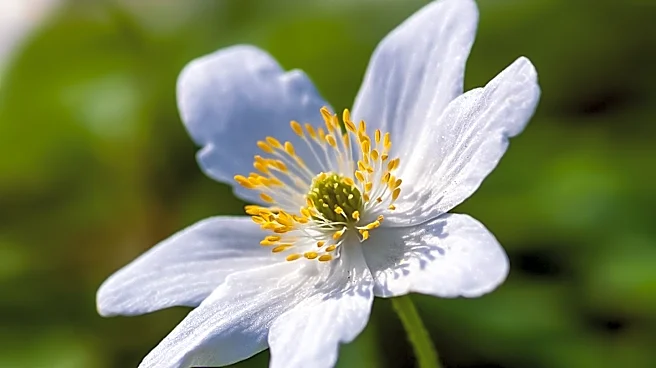
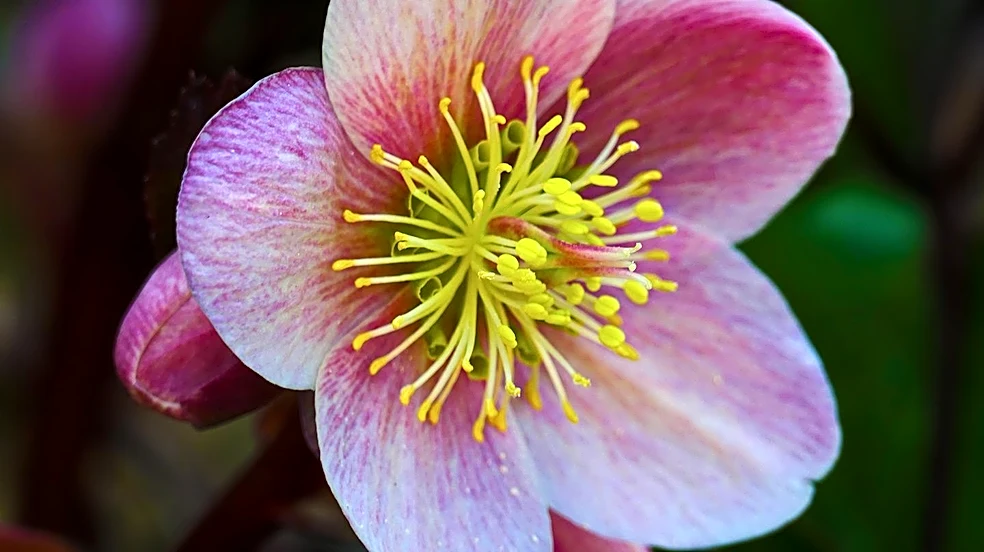
The Single Pink Japanese Anemone (Anemone x hybrida 'Single Pink') is a perennial plant that grows to a height of 90cm and produces pastel pink flowers from summer through autumn. This variety is noted for being less vigorous than other Japanese anemones,
meaning it forms a tidy clump rather than spreading aggressively through its roots. It is well-suited for dappled shade but can also tolerate part shade to full sun, provided the soil remains moist. The plant is frost-hardy, with its top growth dying back in winter and new shoots emerging in spring. It is recommended for cottage gardens and mixed borders, particularly under trees where other flowering plants may struggle. The plant is sold as tube stock, a young plant in an 80mm deep tube, which establishes quickly.
Why It's Important?
This specific variety of Japanese Anemone offers significant advantages for gardeners seeking long-lasting color in shaded areas. Its less vigorous growth habit addresses a common concern with other anemone varieties that can become invasive, making it a more manageable option for structured garden designs. The extended blooming period from summer to autumn provides continuous visual interest when many other plants have finished flowering. Its adaptability to various light conditions, especially shade, makes it a valuable choice for challenging garden spots, such as under deciduous trees. The plant's frost-hardiness ensures its survival in colder climates, offering reliability and reducing the need for frequent replanting, which is beneficial for both amateur and experienced gardeners.
What's Next?
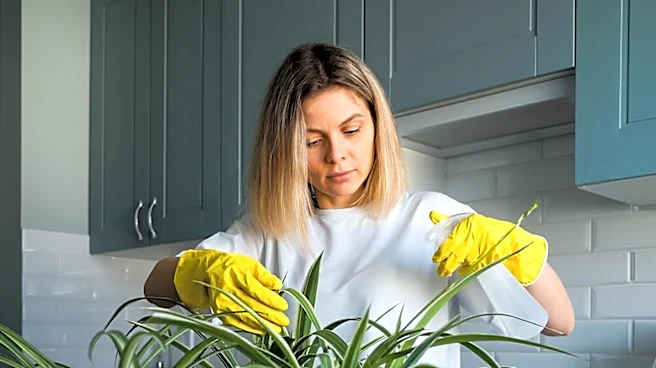
Gardeners who acquire the Single Pink Japanese Anemone tube stock should promptly unpack and plant it at the same depth as it was in the tube, watering it thoroughly. Initial care will involve regular watering for the first four to six weeks until the plant is established, and maintaining moist soil throughout the summer. In spring, a layer of compost or slow-release fertilizer is recommended. Minimal pruning is required, primarily cutting back old stems to the base once they die down in winter, with gloves advised due to potential skin irritation from the sap. In colder climates, adding extra mulch in autumn will protect young roots. The plant is expected to gradually build into a clump and provide pastel pink blooms from summer into autumn.
Beyond the Headlines
The development of less vigorous plant varieties like the Single Pink Japanese Anemone reflects a broader trend in horticulture towards creating more garden-friendly and manageable plants. This addresses the needs of modern gardeners who may have smaller spaces or prefer low-maintenance options. The focus on plants that thrive in shade also highlights an increasing awareness of utilizing all garden areas effectively, including those with limited direct sunlight. Furthermore, the mention of its toxicity if eaten and sap irritation underscores the importance of plant knowledge for safety in home gardens, especially for households with pets and children. This plant contributes to sustainable gardening practices by offering a hardy, long-flowering option that can reduce the need for annual replacements.