



What's Happening?
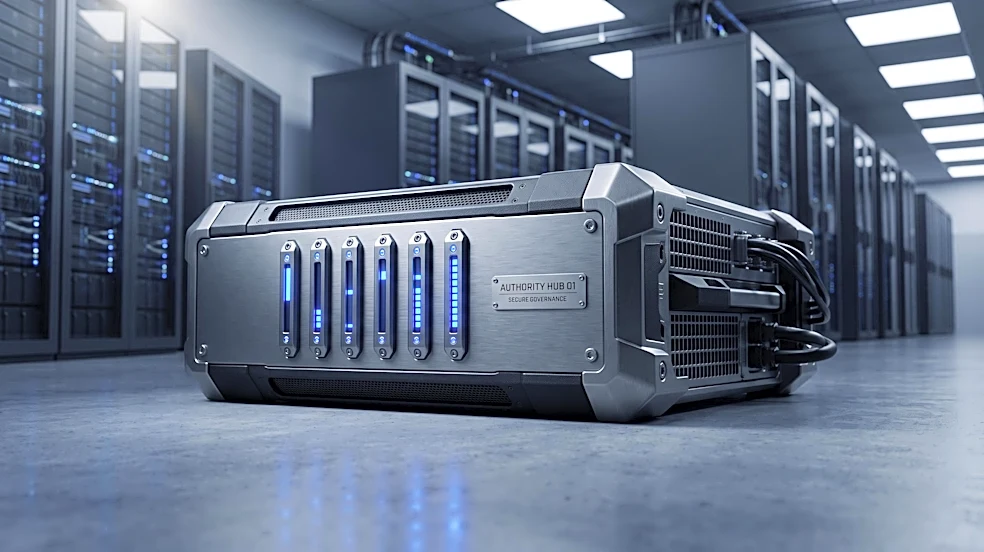
MaintainX has launched AI-powered skills within its Smart Hub, designed to analyze operational data and generate recommendations, reports, or other outputs for maintenance workflows. These skills are configurable and operate under human supervision, ensuring
that all AI-generated outputs require human review and approval before implementation. The Smart Hub acts as a central workspace where users can set up and monitor these AI capabilities, receiving notifications when results are ready for review. Examples of these skills include 'Parts Restocker' for inventory management, 'PM Plan Auditor' for evaluating preventive maintenance programs, and 'Root Cause Analyst' for investigating unplanned downtime. MaintainX emphasizes built-in safeguards, preventing AI from executing changes or making autonomous decisions without explicit human consent, thereby maintaining user control over data and workflows.
Why It's Important?
The integration of AI-powered skills into operational workflows by MaintainX signifies a crucial step towards optimizing industrial maintenance and management. By automating data analysis and report generation, businesses can achieve greater efficiency and accuracy in identifying trends, managing inventory, and evaluating maintenance performance. This development is particularly important for U.S. industries reliant on complex machinery and extensive operational data, such as manufacturing, logistics, and utilities. The emphasis on human oversight ensures that while AI enhances capabilities, critical decision-making remains with experienced personnel, mitigating risks associated with fully autonomous AI systems. This approach can lead to reduced operational costs, improved asset longevity, and more proactive maintenance strategies, ultimately boosting productivity and competitiveness for American businesses.
What's Next?
MaintainX plans to continue developing and refining its AI-powered skills, with ongoing feedback from users helping to identify opportunities for improvement and the creation of new functionalities. The company encourages users to suggest new skills and provide feedback on AI-generated outputs, indicating a collaborative approach to product development. Future enhancements may include more sophisticated analytical capabilities and broader application across various operational aspects. As businesses adopt these tools, there will likely be a focus on training personnel to effectively utilize AI-generated insights and integrate them into existing workflows. The success of these AI tools will depend on their ability to consistently deliver accurate, actionable recommendations that genuinely enhance operational efficiency while maintaining user confidence through robust safeguards.
Beyond the Headlines
The introduction of AI-powered skills with mandatory human review highlights a growing trend in enterprise AI: augmenting human intelligence rather than replacing it. This approach addresses ethical and practical concerns about AI autonomy, particularly in critical operational environments where errors can have significant consequences. It also underscores the evolving nature of human-AI collaboration, where AI handles data-intensive tasks, freeing human experts to focus on strategic decision-making and complex problem-solving. This model could set a precedent for AI adoption in other sensitive sectors, fostering trust and ensuring accountability. The long-term shift could see a redefinition of job roles, with a greater demand for professionals skilled in interpreting AI outputs and integrating them into strategic planning, thereby elevating the human element in technology-driven operations.