






What's Happening?
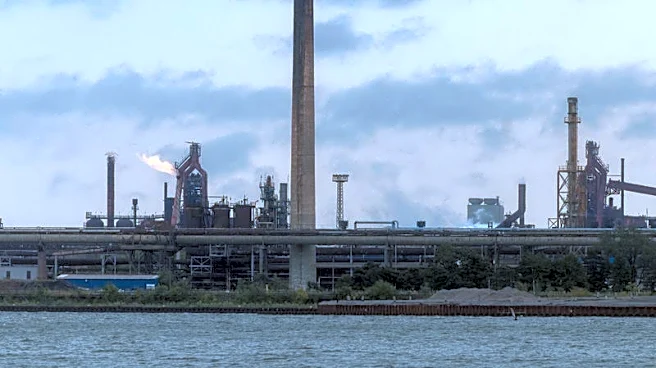
Cleveland-Cliffs is under intense scrutiny from Canadian officials, including Industry Minister Mélanie Joly, regarding its acquisition of Stelco in 2024 and subsequent layoffs. Joly has warned Cleveland-Cliffs about potential legal action if it fails
to meet its commitments under the Investment Canada Act, which include employment guarantees. The dispute escalated after Cleveland-Cliffs CEO Lourenco Goncalves stated in a televised interview that he acquired Stelco to prevent the Canadian company from 'flooding the U.S. market' with steel and undercutting prices, thereby protecting his U.S. operations. This admission has prompted the Canadian government to consult its lawyers to assess the consequences. While Stelco initially indicated up to 500 layoffs, Goncalves clarified that 175 workers have been laid off at its Hamilton plant. Goncalves has also expressed support for U.S. tariffs on Canadian steel, a stance that Ottawa claims has harmed Canadian steelworkers and contributed to the layoffs.
Why It's Important?
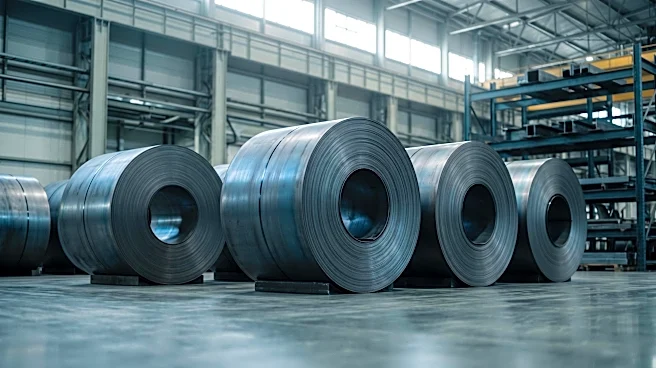
This situation highlights the complex interplay between international acquisitions, national economic interests, and trade policies, particularly concerning U.S. tariffs. Cleveland-Cliffs' CEO's admission suggests a strategic acquisition aimed at mitigating competition in the U.S. market, which could raise questions about anti-competitive practices and the intent behind cross-border mergers. For the U.S. steel industry, this scenario underscores the impact of tariffs on market dynamics and the potential for companies to leverage acquisitions to manage competitive pressures. The dispute also brings to the forefront the challenges of balancing corporate strategies with the employment and economic stability of acquired foreign entities. The Canadian government's strong reaction indicates a growing sensitivity to foreign investments that may be perceived as detrimental to domestic industries and jobs, potentially influencing future foreign investment reviews in Canada and other nations.
What's Next?
Industry Minister Mélanie Joly is demanding a concrete plan and timeline from Cleveland-Cliffs for recalling the laid-off workers before she will agree to meet with CEO Lourenco Goncalves. The Canadian government is actively consulting its lawyers to determine the legal ramifications of Goncalves's statements regarding the acquisition's intent. This could lead to legal proceedings against Cleveland-Cliffs, potentially forcing the company to divest Stelco if it is found to be in violation of its binding commitments under the Investment Canada Act. Goncalves, however, has stated that Stelco will not be sold for at least the next year and that he would only consider selling after demonstrating a year of higher production and recalling all laid-off workers. The ongoing dispute is likely to continue to draw criticism from Canadian politicians and labor unions, further escalating tensions between the company and the Canadian government.
Beyond the Headlines
The controversy surrounding Cleveland-Cliffs' acquisition of Stelco and its CEO's candid remarks delves into deeper ethical and legal considerations regarding corporate motivations in international mergers and acquisitions. The admission that the acquisition was partly to eliminate a competitor in the U.S. market raises questions about the spirit of fair competition and the potential for dominant players to consolidate power across borders. This case could set a precedent for how governments scrutinize the long-term intentions of foreign investors, particularly when those intentions appear to conflict with the economic well-being of the acquired entity's home country. It also highlights the broader debate on the effectiveness and unintended consequences of protectionist trade measures like tariffs, which can lead to complex corporate maneuvers and international disputes, ultimately impacting workers and local economies.