






What's Happening?
A parkour coach in Singapore, Tan Shie Boon, is pioneering a unique approach to fitness for older adults by adapting parkour techniques to improve their balance, strength, and confidence. Traditionally associated with young athletes, parkour involves
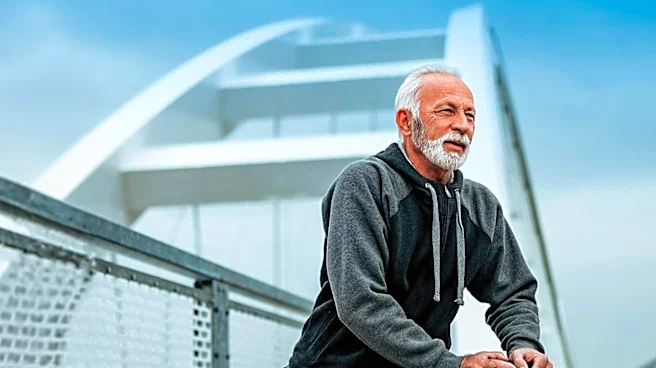
navigating obstacles and performing dynamic movements. Tan's classes focus on helping seniors safely traverse their environment, recover balance, and get up after falls. This initiative addresses a significant issue, as falls are a leading cause of injury among adults aged 65 and older. The program has gained attention, leading to increased interest from retirees seeking to improve their mobility and reduce fall risks.
Why It's Important?
The adaptation of parkour for seniors is significant as it offers a novel solution to a prevalent health issue—falls among the elderly. By improving agility, strength, and balance, this training can potentially reduce healthcare costs associated with fall-related injuries. It also enhances the quality of life for older adults by boosting their confidence and independence. The program's success could inspire similar initiatives in the U.S., where the aging population faces similar challenges. This approach not only addresses physical health but also promotes mental well-being by encouraging social interaction and personal achievement.
What's Next?
As interest in this program grows, there may be opportunities to expand similar classes in the U.S. and other countries with aging populations. The success of Tan's classes could lead to collaborations with healthcare providers and senior centers to integrate parkour-based training into regular fitness programs for older adults. Additionally, further research could be conducted to quantify the benefits and refine techniques to maximize safety and effectiveness. The program's expansion could also create new career opportunities for fitness professionals specializing in senior health.
Beyond the Headlines
This initiative highlights the potential for unconventional fitness programs to address specific health challenges. It raises questions about how traditional perceptions of age and physical capability can be challenged and redefined. The program also underscores the importance of personalized fitness solutions that consider individual health conditions and capabilities. As society continues to age, innovative approaches like this could play a crucial role in promoting active and healthy aging, potentially influencing public health policies and fitness industry standards.