


What's Happening?
The beauty industry is experiencing a significant shift, moving beyond traditional aesthetics to focus on 'feel-good' aspects like skin health, self-care, and stress reduction. This change reflects a consumer desire for products that offer moments of escape
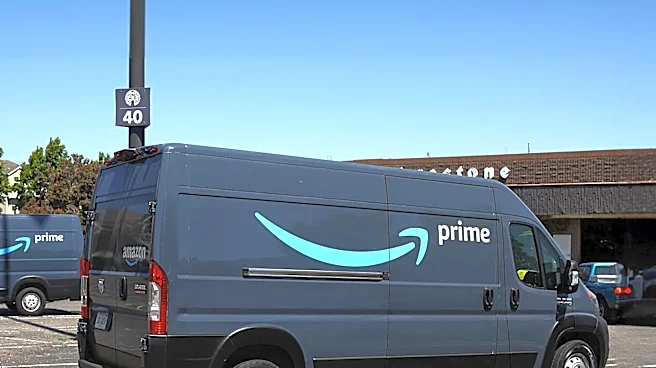
and well-being. Concurrently, beauty brands are adapting their sales strategies to a fluid consumer journey that often involves multiple channels, including social media, brand websites, and e-commerce platforms like Amazon. Many premium beauty brands, which previously avoided Amazon due to concerns about brand dilution and discounting, are now embracing it as an integral part of their growth strategy. Success on Amazon requires meticulous planning, including product availability, stock management, consistent pricing, retail readiness, brand presentation, and efficient fulfillment, treating the platform as an extension of the overall brand strategy rather than a standalone sales channel.
Why It's Important?
This evolution in the beauty industry signifies a broader change in consumer values, where emotional well-being and self-care are becoming as important as physical appearance. For U.S. beauty brands, this means a need to innovate not just in product formulation but also in marketing narratives that resonate with these deeper consumer needs. The increasing integration of Amazon into the strategy of premium beauty brands highlights the platform's undeniable influence on retail and consumer purchasing habits. Brands that successfully navigate this multi-channel environment, particularly Amazon's complex logistics and brand presentation requirements, stand to gain significant market share. Conversely, those that fail to adapt risk losing relevance in a market where consumers expect seamless discovery and purchasing experiences across all touchpoints. This shift also underscores the growing importance of behind-the-scenes operational excellence, such as packaging and fulfillment, in shaping the overall brand experience.
What's Next?
Beauty brands will likely continue to invest in products and marketing that emphasize holistic well-being and self-care, aligning with evolving consumer preferences. The trend of integrating e-commerce giants like Amazon into comprehensive brand strategies is expected to accelerate, with brands focusing on optimizing their presence across various online marketplaces. This will necessitate further development in areas such as supply chain management, digital marketing, and customer experience across diverse platforms. Companies like Lemonpath, which specialize in supporting brands with Amazon FBA requirements, FBM operations, and promotional kitting, will become increasingly vital partners. The industry will also see continued innovation in packaging, with a focus on design that enhances the brand experience, sustainability, and functionality for e-commerce fulfillment, as brands strive to deliver a consistent premium experience regardless of the sales channel.
Beyond the Headlines
The 'feel-good' beauty trend reflects a societal shift towards prioritizing mental and emotional health, indicating a deeper cultural resonance beyond mere product consumption. This could lead to a more ethical and transparent beauty industry, where brands are held accountable not just for product efficacy but also for their contribution to consumer well-being and sustainable practices. The strategic embrace of Amazon by premium brands also challenges traditional notions of luxury and exclusivity, suggesting that accessibility and convenience are becoming increasingly valued, even at the higher end of the market. This integration could blur the lines between mass-market and luxury retail, forcing brands to redefine their value propositions and brand identities in a more democratized shopping landscape. The emphasis on seamless multi-channel experiences also points to a future where the distinction between online and offline retail continues to diminish, with brands needing to create cohesive and integrated customer journeys.