







What's Happening?
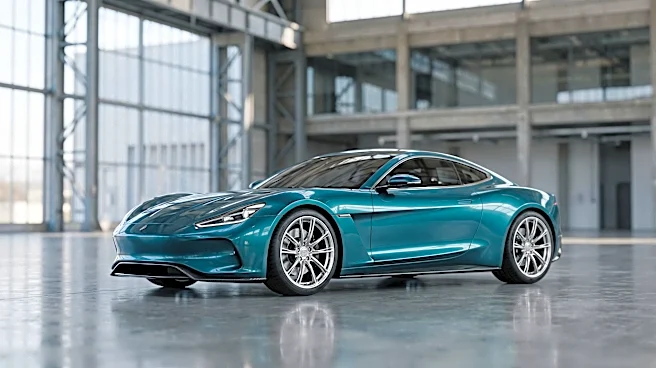
Four prototype Emily GT electric vehicles and one development mule, along with associated tools, parts, and extra bodies, are being auctioned in Sweden. These vehicles were part of National Electric Vehicle Sweden's (NEVS) project to revive Saab as an EV company.
NEVS, which acquired the assets of the defunct Saab, aimed to leverage Saab's production and design expertise to build electric cars. Despite the promising concept, NEVS was unable to achieve profitability and eventually ceased operations. The auction, handled by Klaravik, offers a unique opportunity for potential investors or new EV startups to acquire the foundational elements of a well-engineered electric vehicle project. The Emily GT prototypes are noted for their appealing design, resembling a smaller Lucid Air, and feature in-wheel electric motors, a technology also used in partnership with Renault for the 5 Turbo 3E. The vehicles were projected to produce around 490 horsepower and aim for a range of approximately 600 miles.
Why It's Important?
This auction represents a significant opportunity for the electric vehicle industry, particularly for emerging startups looking to accelerate their development. Acquiring fully engineered prototypes, along with the necessary parts and intellectual property, could drastically reduce the time and capital typically required to bring a new EV to market. The Emily GT's specifications, including its in-wheel motor technology and ambitious range targets, suggest a solid engineering foundation that could be further developed. For the broader automotive sector, this event highlights the ongoing challenges and high capital requirements of establishing a successful EV manufacturing operation, even with a strong legacy brand like Saab. It also underscores the potential for innovative technologies, like in-wheel motors, to find new pathways to commercialization through such asset sales. The outcome of this auction could influence future strategies for distressed automotive assets and intellectual property in the rapidly evolving EV landscape.
What's Next?
The auction is currently underway and is scheduled to conclude on December 9. Following the sale, the new owner will face the challenge of securing substantial capital investment and developing a viable business plan to bring the Emily GT or a derivative to production. This would involve further engineering, manufacturing setup, supply chain establishment, and market entry strategies. The success of any future venture based on these prototypes will depend heavily on the financial backing and strategic vision of the buyer. Additionally, the auction includes a separate autonomous six-seater van project, the Pons Sango, which could also attract interest from companies in the autonomous vehicle sector. The sale could potentially spark new interest in the legacy of Saab's engineering capabilities within the EV space, should a new entity successfully leverage these assets.
Beyond the Headlines
The auction of the Emily GT prototypes delves deeper into the complexities of innovation and commercialization in the automotive industry. It illustrates how promising technological advancements and design can fail to materialize into market success without robust financial backing and strategic execution. The story also touches upon the enduring appeal and potential value of intellectual property and engineering assets from defunct companies. For the automotive design community, the Emily GT represents a 'what if' scenario, showcasing advanced concepts that never reached mass production. Ethically, the sale raises questions about the preservation of automotive heritage and the potential for new entities to build upon the foundations laid by previous ventures. The outcome could also influence how future distressed automotive assets are valued and repurposed, potentially fostering a secondary market for advanced automotive R&D.