




What's Happening?
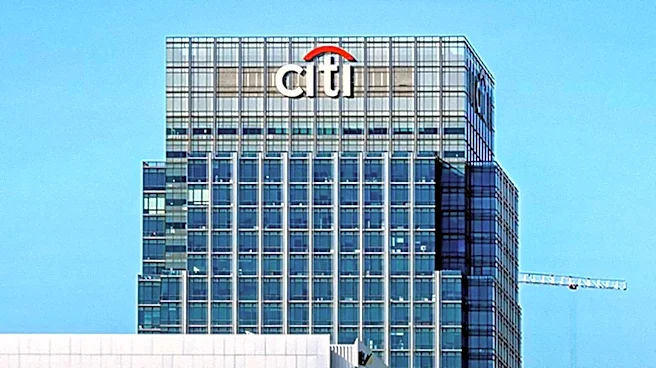
Wall Street executives, including Citigroup Inc.’s Jane Fraser and JPMorgan Chase & Co.’s Jamie Dimon, have recently visited India to engage with businesses and the government, signaling a significant increase in U.S. financial firms' investments in the country.
Both Citigroup and JPMorgan are involved in the IPO of Ambani’s digital services giant Jio Platforms, which is anticipated to be India’s largest ever. Goldman Sachs Group Inc. has injected at least $500 million into its India banking franchise. This surge in investment is occurring despite challenges such as rising inflation and a depreciating rupee. India's financial markets are experiencing a boom, driven by retail investors, private equity, and a growing digital payments ecosystem. However, regulatory challenges persist, with India’s market regulator recently accusing a small Mauritius-based JPMorgan unit of manipulative stock trades and Jane Street of market manipulation, allegations the U.S. financial giant has denied.
Why It's Important?
The increased engagement of major U.S. financial institutions in India underscores the country's growing importance as a global economic power and a key destination for foreign capital. This influx of investment from Wall Street firms has significant implications for both the U.S. and Indian economies. For the U.S., it represents a strategic move to tap into one of the world's fastest-growing markets, offering new revenue streams and diversification opportunities for financial services. For India, it provides crucial capital for infrastructure development, technological advancement, and job creation, further integrating its economy into the global financial system. The involvement of U.S. banks in major IPOs like Jio Platforms highlights the potential for substantial returns, but also exposes them to India's evolving regulatory landscape. The regulatory actions against JPMorgan and Jane Street indicate the complexities and risks associated with operating in foreign markets, emphasizing the need for robust compliance and understanding of local laws.
What's Next?
The trend of U.S. financial firms increasing their footprint in India is expected to continue, with further investments and expansions anticipated in various sectors, including investment banking, capital markets, and private equity. The development of GIFT City as a free-market oasis is likely to attract more foreign banks and financial services, making it a central hub for international financial operations in India. However, U.S. firms will need to navigate India's regulatory environment carefully, as the recent accusations of market manipulation suggest a vigilant approach from Indian regulators. The success of major IPOs and the continued growth of India's digital payments ecosystem will likely influence the pace and scale of future U.S. investments. The competition among global and local banks for market share in India's competitive investment banking sector is also expected to intensify.
Beyond the Headlines
The deepening financial ties between the U.S. and India extend beyond mere economic transactions; they represent a broader geopolitical alignment and a recognition of India's strategic importance. The challenges faced by U.S. firms, such as regulatory scrutiny and currency fluctuations, highlight the inherent risks of global expansion but also the potential for significant rewards. The growth of India's financial markets, fueled by domestic savings and foreign investment, is transforming the country's economic landscape and creating a new class of wealthy individuals. This economic growth, however, also brings social implications, as evidenced by the deepening inequities and youth protest movements. The shift towards a more formalized financial system, with millions of Indians investing in markets for the first time, signifies a profound societal change with long-term consequences for wealth distribution and economic stability.