


What's Happening?
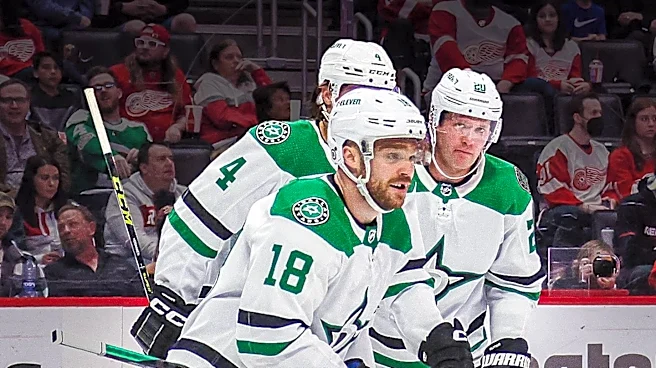
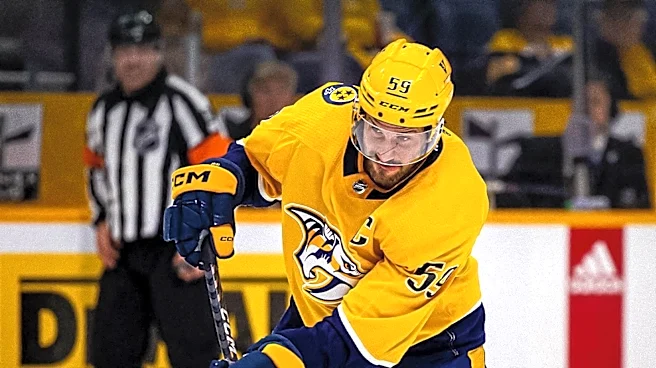
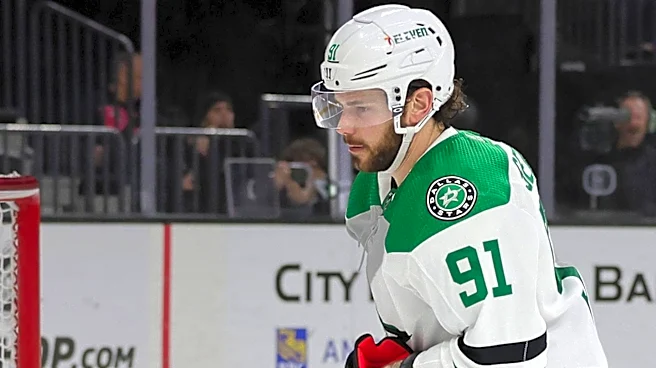
The Nashville Predators have announced a significant contract agreement with forward Mavrik Bourque, who has signed a six-year deal worth $33 million. This move follows the Predators' acquisition of Bourque from the Dallas Stars on July 1, alongside defenseman
Ilya Lyubushkin, in exchange for a second-round draft pick in 2027 and a third-round pick in 2028. Bourque, a former first-round pick by the Stars in 2020, has shown considerable growth in his career. After limited play in his rookie season, he participated in 73 games in his second year and 82 games last season, achieving career highs with 41 points, 20 goals, and 21 assists. His performance in the AHL, where he was named MVP and led the league in points during the 2023-24 season, underscores his potential impact on the Predators' lineup.
Why It's Important?
This contract highlights the Predators' strategic investment in young talent to bolster their roster. Mavrik Bourque's development trajectory suggests he could become a key player for Nashville, potentially enhancing their offensive capabilities. The trade and subsequent contract also reflect the Predators' commitment to building a competitive team through strategic acquisitions and long-term planning. For the Predators, securing a player with Bourque's potential at this stage of his career could provide a significant return on investment, both in terms of on-ice performance and team dynamics. This move may also influence other teams in the league to consider similar strategies in acquiring and developing young talent.
What's Next?
With Bourque now secured, the Predators will likely focus on integrating him into their system and maximizing his potential alongside their existing roster. The team's management may also continue to explore additional trades or signings to further strengthen their lineup. As the NHL season progresses, Bourque's performance will be closely watched to assess the impact of this acquisition on the Predators' overall success. Additionally, the Predators' approach to player development and contract negotiations could set a precedent for other teams looking to enhance their competitiveness through similar strategies.