





What's Happening?
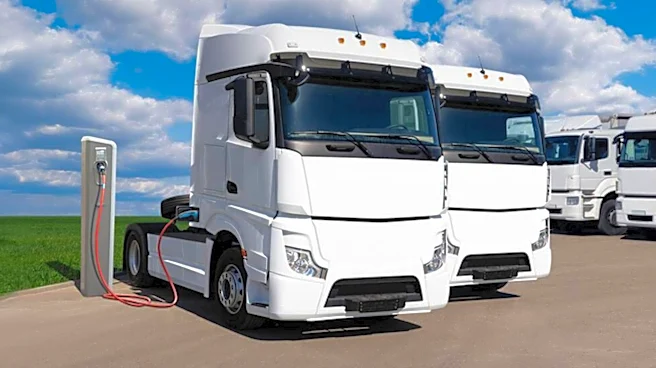
Einride, a company specializing in electric and autonomous freight solutions, is targeting $250 million in revenue by 2027. The company's Chief Technology Officer, Henrik Green, stated that their current fleet of over 260 electric and 10 autonomous trucks
provides a total cost of ownership (TCO) advantage of 5% to 10%, primarily due to their Saga AI platform for transportation planning. This TCO advantage is projected to increase to over 25% as more autonomous trucks are deployed and data is accumulated. Einride's CEO, Charli, noted that increased freight volumes will enable the company to lower prices over time, a crucial factor for shippers accustomed to annual operating cost increases. The company is also focusing on automating more than just driving, including loading, unloading, charging, and communication, as demonstrated by their work with GE Appliances in Selmer, Tennessee, where trucks autonomously shuttle between manufacturing plants and warehouses. Einride aims to deploy its Driver software-and-hardware system for highway freight in the first half of 2028, with plans to expand to longer distances and higher speeds, including middle-mile rural deliveries, within the next 18 months.
Why It's Important?
Einride's ambitious revenue targets and technological advancements signify a growing momentum in the electric and autonomous freight sector, which could significantly impact the U.S. logistics and transportation industries. The projected TCO advantage of autonomous electric trucks offers a compelling economic incentive for shippers, potentially leading to widespread adoption and a shift away from traditional fossil fuel-powered fleets. This transition could reduce operational costs for businesses, mitigate exposure to energy price shocks, and contribute to lower carbon emissions. The company's focus on end-to-end automation, beyond just driving, suggests a future where human involvement in freight logistics is drastically reduced, leading to increased efficiency and potentially lower labor costs. As Einride and competitors like Aurora Innovation scale their operations, the competitive landscape of freight transportation will evolve, pushing traditional carriers to innovate or risk losing market share. The development of highway autonomous driving capabilities will further expand the reach and impact of these technologies across the national supply chain.
What's Next?
Einride anticipates reaching cash-flow positive status in 2028, which CFO Anubhav Verma states will require growing its fleet to approximately 1,750 trucks. The company's confidence in its 2027 revenue forecast is bolstered by the fact that two-thirds of the projected $250 million is already secured through long-term contracts. A significant upcoming milestone is the deployment of the Einride Driver software-and-hardware system for highway freight in the first half of 2028. This will involve expanding operations from controlled environments, such as manufacturing plants and ports, to longer distances and higher speeds on public roads, including middle-mile rural deliveries. Einride's CEO, Charli, expressed impatience for the autonomous market to expand, but noted that the positive trend in electric truck adoption and multi-year contracts are helping to resolve infrastructure bottlenecks like charging. The company's acquisition of charging management company Flipturn earlier this year also indicates a proactive approach to addressing charging infrastructure challenges.
Beyond the Headlines
The advancements by Einride and its peers in autonomous electric freight represent a broader transformation in industrial logistics, moving beyond mere vehicle electrification to a fully integrated, AI-driven ecosystem. This shift has profound implications for labor markets, potentially displacing traditional truck driving roles while creating new demands for skilled technicians in AI, robotics, and charging infrastructure management. The increasing automation of loading, unloading, and communication processes could lead to highly optimized supply chains, reducing transit times and improving inventory management for businesses across various sectors. Furthermore, the environmental benefits of widespread electric truck adoption, including reduced carbon emissions and improved air quality, could contribute significantly to national climate goals. However, the successful integration of these technologies will require robust regulatory frameworks, significant infrastructure investment in charging networks, and public acceptance of autonomous vehicles on highways. The current investor caution, with Einride's shares significantly below their 52-week highs, highlights the long-term investment and inherent risks associated with pioneering such transformative technologies.