





What's Happening?
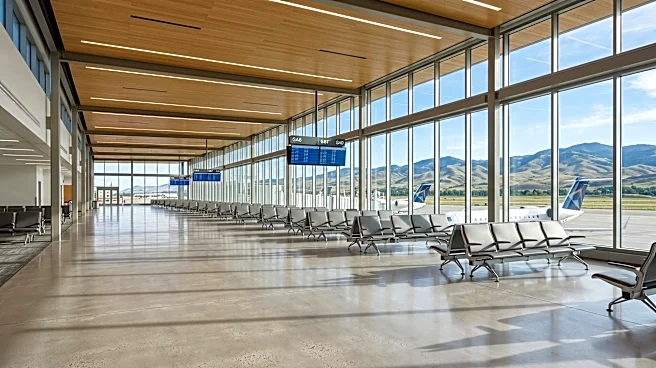
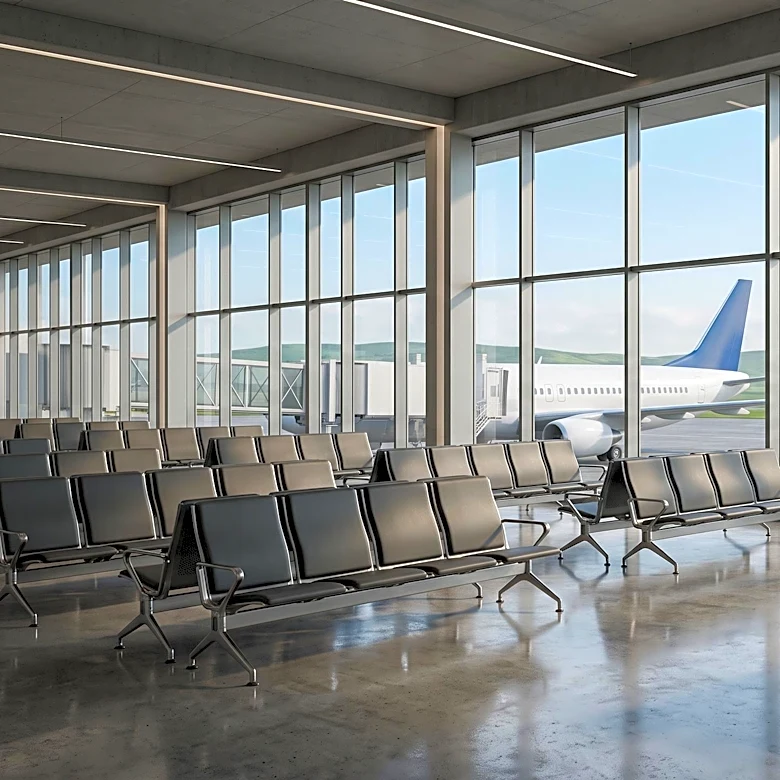
Philadelphia International Airport (PHL) now features a Chase Sapphire Lounge by The Club, located in the D/E Connector, accessible after the Terminal D security checkpoint. This lounge is part of a broader trend of airport lounges providing amenities
such as complimentary food and beverages, private restrooms, wellness services, family areas, and various seating options for work or relaxation. Access to these lounges typically requires a membership or a fee. Specifically, individuals holding a Chase-provided Priority Pass™ membership can enter PHL’s Chase Sapphire Lounge. The Priority Pass network extends access to over 1,300 airport lounges globally. Chase Sapphire Reserve® cardmembers receive a complimentary Priority Pass membership as a card benefit, though this card carries an annual fee. PHL itself offers a diverse range of dining options across its seven terminals, including local flavors, national chains, and grab-and-go spots, with many options located past security screening.
Why It's Important?
The expansion of premium airport lounges, such as the Chase Sapphire Lounge at PHL, signifies a growing focus on enhancing the travel experience for cardholders and frequent flyers. For U.S. travelers, this means increased access to comfortable and amenity-rich environments, potentially reducing the stress associated with air travel. The availability of complimentary food, beverages, and other services can lead to cost savings for individuals who frequently travel. For credit card companies like Chase, offering lounge access through products like the Chase Sapphire Reserve card is a key strategy to attract and retain high-value customers, driving competition within the financial services industry. This trend also impacts airport infrastructure and services, as airports collaborate with financial institutions to provide these premium facilities, potentially influencing passenger flow and satisfaction. The integration of these lounges into major U.S. airports like PHL reflects a broader shift towards a more luxurious and convenient travel ecosystem.
What's Next?
The trend of credit card companies partnering with airports to establish branded lounges is likely to continue, leading to more premium lounge options at major U.S. airports. Travelers can anticipate further enhancements in lounge amenities and services as competition among credit card providers intensifies. Financial institutions may introduce new credit card products or modify existing ones to offer more attractive lounge access benefits, potentially impacting annual fees and reward structures. Airports will likely continue to allocate space and resources for these exclusive facilities, potentially influencing terminal design and passenger services. For consumers, staying informed about the evolving benefits of their credit cards and membership programs will be crucial to maximize their travel experiences. The expansion of these lounges could also lead to increased demand for airport staff and services to manage these premium spaces.
Beyond the Headlines
The proliferation of exclusive airport lounges highlights a growing stratification within the travel industry, where premium experiences are increasingly tied to financial products and loyalty programs. This trend raises questions about equitable access to comfortable travel environments, as those without specific credit cards or memberships may find themselves with fewer amenities. It also reflects a broader societal shift towards valuing convenience and luxury, even in traditionally utilitarian spaces like airports. The design and offerings of these lounges, with their focus on wellness, family areas, and productivity, suggest a changing perception of travel time—from mere transit to an extension of work or leisure. This development could subtly influence consumer expectations for public spaces and services, pushing for higher standards of comfort and utility in various sectors beyond travel. The strategic placement of these lounges also underscores the economic importance of airports as commercial hubs, attracting significant investment from diverse industries.