





What's Happening?
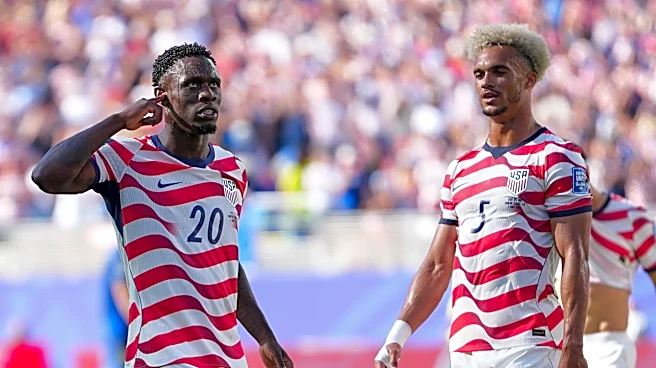
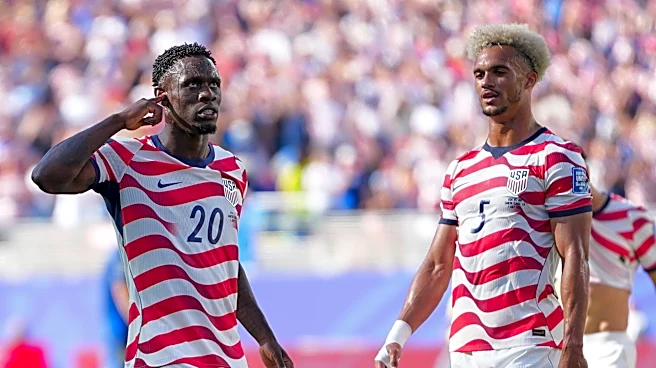
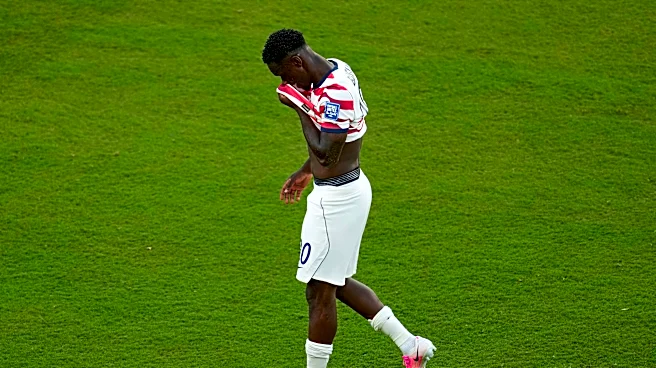
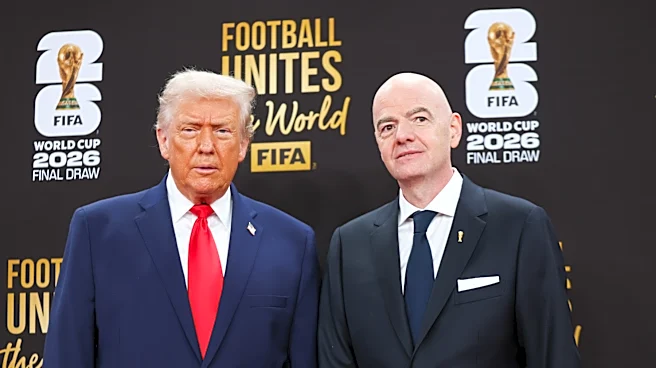
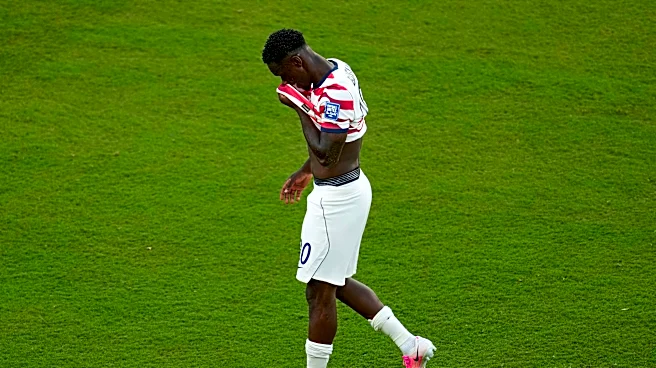
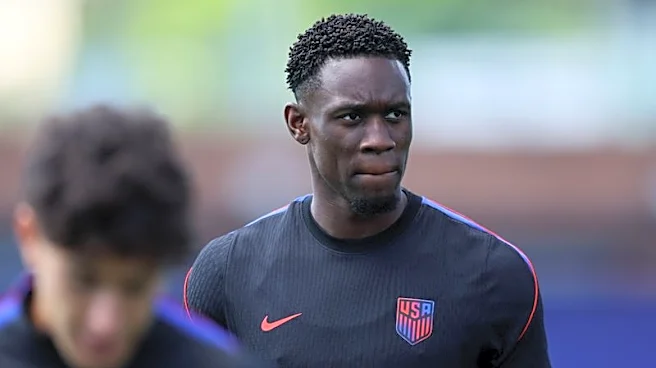
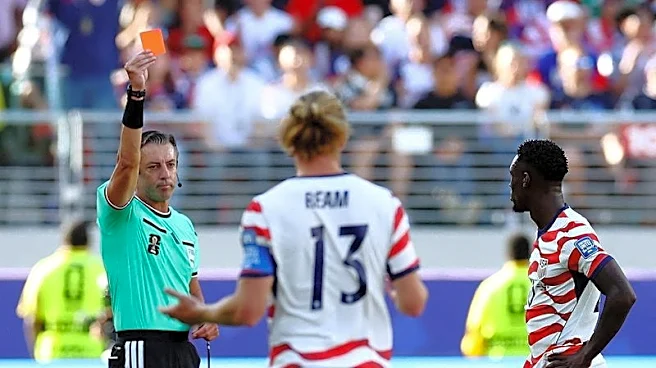
FIFA's decision to lift the suspension of U.S. soccer player Folarin Balogun has sparked significant controversy during the World Cup. The suspension was initially imposed due to a red card Balogun received for a foul in a previous match. President Trump
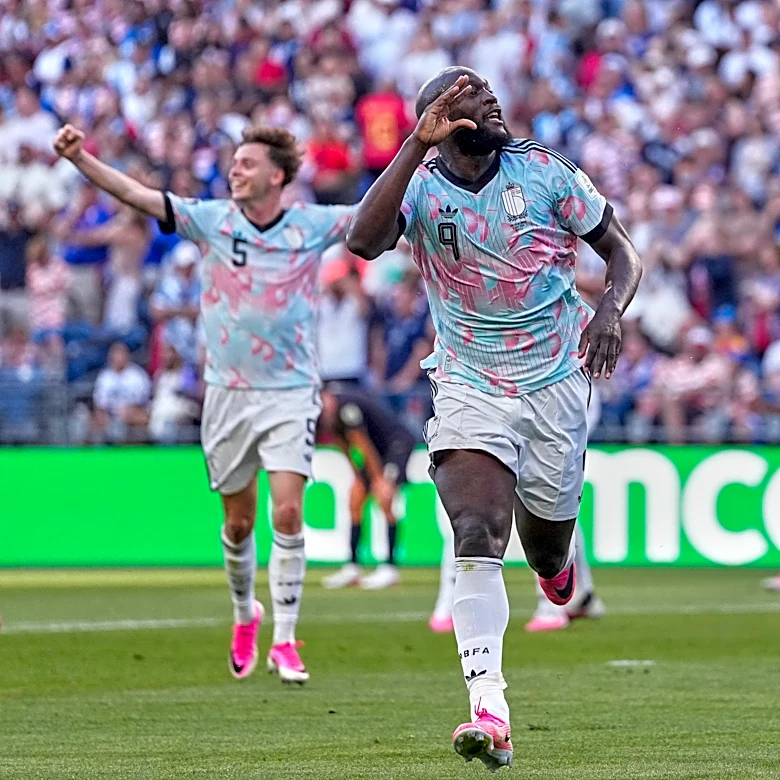
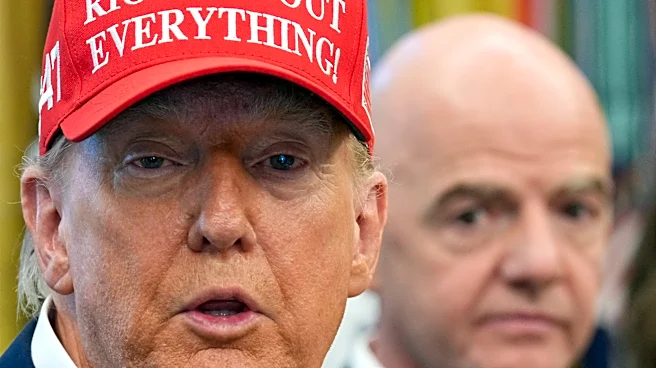
intervened by calling FIFA President Gianni Infantino, leading to the suspension being lifted. Despite Balogun's participation, the U.S. team was eliminated after a 4-1 loss to Belgium. UEFA criticized FIFA's decision as 'unprecedented' and 'incomprehensible,' raising concerns about the integrity of the tournament. FIFA defended its actions, stating that reviewing red card consequences is common in top-tier leagues.
Why It's Important?
The incident highlights tensions between FIFA and UEFA, with the latter questioning the fairness and consistency of FIFA's disciplinary actions. The decision to lift Balogun's suspension could set a precedent for future interventions in disciplinary matters, potentially undermining the authority of referees and the established rules of the game. This situation also underscores the influence of political figures in sports, as President Trump's involvement has drawn criticism and raised questions about the independence of FIFA's judicial bodies. The controversy may impact FIFA's credibility and the perceived integrity of the World Cup.
What's Next?
Belgium has expressed its intention to pursue further legal action, potentially appealing to the Court of Arbitration for Sport. The outcome of such actions could influence future disciplinary processes in international soccer. Additionally, FIFA may face increased scrutiny and pressure to clarify its rules and ensure consistent application across all matches. The incident could lead to broader discussions within the soccer community about the role of political influence in sports and the need for transparent and fair governance.
Beyond the Headlines
This controversy may have long-term implications for FIFA's governance and its relationship with member associations. The incident could prompt calls for reforms to ensure greater transparency and independence in decision-making processes. It also raises ethical questions about the balance between political influence and sports integrity. The situation may lead to increased advocacy for clear and consistent rules to protect the credibility of international competitions.