




What's Happening?
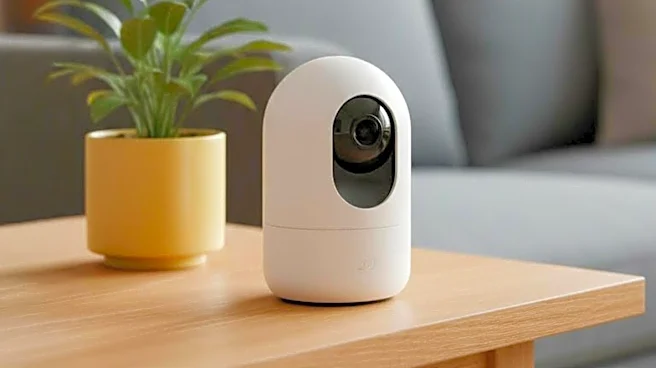
A recent survey conducted by OnePoll.com and commissioned by Vivint reveals that 7 out of 10 Americans now own up to 10 smart devices, indicating a significant shift towards AI-powered smart homes. The most popular smart tech purchases in the past year
include TVs (23%), doorbells (22%), and outdoor cameras or lighting (16%). Many homeowners are already planning their next smart tech acquisitions, with smart doorbells, lighting, solar panels, or locks topping their wish lists. The adoption of these devices is increasingly influenced by lifestyle changes and evolving priorities. For instance, 42% of homeowners are either currently caring for a family member or anticipate doing so within the next five years. This demographic shows a strong interest in home automation systems that can assist with family care, such as fall notifications (45%) and remote health monitoring (31%). Additionally, 30% prioritize securing their homes and belongings while traveling. The average American has spent $560 on home security over the last five years, largely due to 46% expressing increased concern about theft compared to five years ago. A notable 16% would even pay extra for a house that already includes a smart home setup.
Why It's Important?
The widespread adoption of AI-powered smart home technology signifies a major transformation in American households, impacting various industries and consumer behaviors. The growing demand for devices that enhance security and facilitate family care highlights a societal shift towards prioritizing safety and well-being through technological integration. This trend creates significant opportunities for manufacturers and service providers in the smart home sector, particularly those offering solutions for elder care, remote monitoring, and robust security. The willingness of consumers to invest in these technologies, and even pay a premium for homes pre-equipped with smart systems, suggests a maturing market with strong growth potential. Furthermore, the increasing comfort with AI detecting unusual activity (39%) and locking doors at night (27%) indicates a rising trust in artificial intelligence for personal and property protection. This trust is crucial for the continued expansion of AI applications beyond traditional smart home functions, potentially influencing urban planning, public safety initiatives, and insurance models. The financial investment in home security, driven by heightened theft concerns, also points to a broader economic impact, stimulating innovation and competition within the security technology market.
What's Next?
The trajectory of AI-powered smart homes suggests continued innovation and integration into daily life. Manufacturers are likely to focus on developing more sophisticated and user-friendly devices that cater to specific lifestyle needs, particularly in areas of health monitoring, security, and energy efficiency. The increasing demand for professional installation (80% of respondents are open to it) indicates a growing market for skilled technicians and specialized service providers. As AI capabilities advance, we can expect to see more seamless integration of smart devices, creating truly interconnected home ecosystems that can anticipate and respond to residents' needs. The development of Wi-Fi 7 and terahertz frequency technologies, as mentioned in related industry reports, will further support ultra-high-speed, low-latency wireless applications, enhancing the performance and reliability of smart home devices. This technological progression will likely lead to more advanced AI features, such as predictive maintenance for home systems and more personalized automation routines. Furthermore, the emphasis on privacy and dependable brands will likely drive companies to invest more in data security and transparent privacy policies to maintain consumer trust.
Beyond the Headlines
The pervasive integration of AI into smart homes raises several deeper implications beyond immediate convenience and security. Ethically, the collection and use of personal data by smart devices, even with user consent, present ongoing privacy challenges. The reliance on AI for critical functions like fall detection and remote health monitoring also brings into focus questions of algorithmic bias and the potential for errors, which could have serious consequences. Culturally, the shift towards automated homes may alter human interaction and independence, particularly for elderly individuals who rely on these systems. The 'always-on' nature of smart devices could also blur the lines between public and private spaces, impacting societal norms around surveillance and personal autonomy. Legally, the evolving landscape of smart home technology will necessitate new regulations concerning data ownership, cybersecurity, and liability in cases of system malfunction or breach. The increasing willingness to trust AI with home security also highlights a broader societal acceptance of artificial intelligence in decision-making roles, potentially paving the way for AI integration into other sensitive areas of life.