





What's Happening?
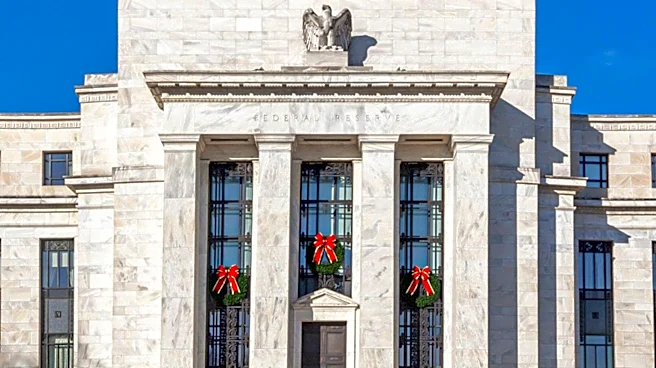
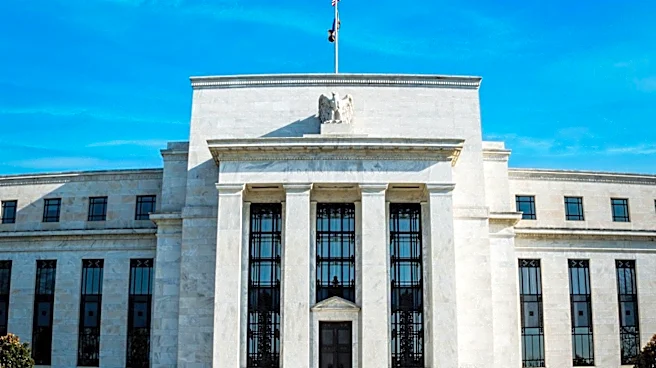
The Federal Reserve is actively discussing potential policy adjustments to manage the size of Central Counterparty (CCP) deposits, which currently exceed $200 billion and represent a significant liability on the Fed's balance sheet. These deposits, held
by systemically important clearing systems, are crucial for managing liquidity risk. The Fed is exploring three main options to reduce these balances: lowering the remuneration rate paid on CCP deposits, implementing caps on account balance levels, and providing CCPs with access to contingent liquidity tools, such as the New York Fed’s Standing Repurchase Agreement (SRP) operations. Each option aims to encourage CCPs to reduce their master account balances at the Fed and potentially shift funds to commercial banks or other investments. The discussions are part of a broader effort to examine the costs, benefits, and institutional implications of the Federal Reserve's current balance sheet regime.
Why It's Important?
The management of CCP deposits has significant implications for U.S. financial stability and monetary policy. While reducing these deposits could contribute to a smaller Fed balance sheet, it also introduces potential risks. Shifting CCP funds from the Fed to commercial banks or other market instruments could increase 'wrong-way risk,' where a CCP's exposure to a counterparty increases as that counterparty's credit quality deteriorates. This risk is amplified if CCPs deposit funds with their own clearing members, creating a systemic vulnerability during market stress. Furthermore, lower steady-state CCP deposits could lead to greater volatility in banking system reserves, potentially disrupting money market dynamics and complicating the Fed's ability to implement monetary policy effectively. The decisions made will impact the liquidity management strategies of major financial institutions and could influence the overall resilience of the U.S. financial system.
What's Next?
The Federal Reserve will continue to evaluate the trade-offs associated with reducing CCP deposit balances. Future actions could include adjusting the remuneration rate, potentially setting it below the interest on reserve balances (IORB) rate but above zero, or even at zero percent, to influence CCPs' incentives. The implementation of balance caps, similar to practices in other central banks like the Bank of England, is another possibility to stabilize deposit levels. Granting certain CCPs routine access to the New York Fed’s SRP operations could provide an alternative source of liquidity, reducing their need for precautionary cash balances at the Fed. The full implementation of the Securities and Exchange Commission’s U.S. Treasury clearing mandate, expected by the end of 2026, will likely increase centrally cleared transaction volumes, further impacting CCP deposit levels and necessitating careful policy responses from the Fed.
Beyond the Headlines
The debate over CCP deposits highlights a fundamental tension between the desire for a smaller central bank balance sheet and the imperative of maintaining financial stability. The Fed's role as a provider of safe and liquid central bank money for systemically important financial market infrastructures is critical, especially during times of market stress. Any policy changes must carefully balance the benefits of reducing the balance sheet with the potential for introducing new risks into the financial system. This discussion also underscores the interconnectedness of various financial market participants and the complex ripple effects of central bank policies. The outcome will not only shape the Fed's balance sheet but also influence the risk management practices of CCPs and commercial banks, potentially leading to a re-evaluation of liquidity buffers and collateral management strategies across the U.S. financial landscape.