






What's Happening?
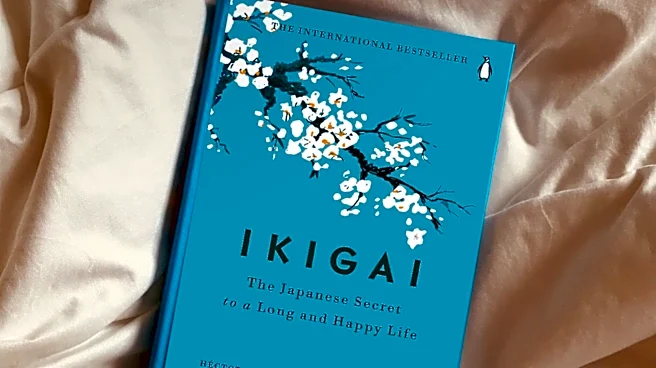
The Japanese concept of Ikigai, meaning 'feel a life worth living,' is gaining recognition for its impact on well-being and longevity. According to Ikigai coach Nick Kemp, the term has often been misconstrued in Western media as solely referring to bliss
or life purpose. Kemp clarifies that Ikigai encompasses anything that feels meaningful to an individual, including activities, relationships, practices, and even challenges. It encourages focusing on present experiences and finding joy in both significant and small aspects of life, such as a morning walk or spending time with loved ones. Unlike the Western emphasis on continuous achievement and future happiness, Ikigai promotes an intrinsic experience of life, fostering resilience against stress and encouraging healthy lifestyles. Studies have linked a strong sense of Ikigai to a lower risk of mortality, reduced cardiovascular disease, and decreased odds of developing dementia, while boosting happiness and life satisfaction.
Why It's Important?
For U.S. society, which often grapples with high stress levels, mental health challenges, and a relentless pursuit of external success, the concept of Ikigai offers a valuable alternative framework for well-being. By shifting focus from outcome-driven goals to intrinsic experiences and meaningful engagement, individuals can cultivate greater contentment and purpose. This approach could influence corporate wellness programs, mental health initiatives, and personal development strategies in the U.S., promoting a more holistic view of success that prioritizes inner fulfillment over material achievements. The scientific evidence linking Ikigai to improved health outcomes, such as reduced risk of chronic diseases and enhanced longevity, provides a compelling reason for its adoption. Integrating Ikigai principles could lead to a healthier, more resilient, and happier population, potentially reducing healthcare burdens and increasing overall societal productivity and satisfaction.
What's Next?
The growing interest in Ikigai in the U.S. suggests a potential for increased integration of its principles into various aspects of daily life. This could manifest in more workshops, coaching programs, and literature dedicated to helping individuals identify and cultivate their own Ikigai. Educational institutions might explore incorporating elements of Ikigai into curricula to foster a sense of purpose and well-being from a young age. Healthcare providers and mental health professionals may also begin to recommend Ikigai-based practices as part of a comprehensive approach to patient care. As research continues to validate the health benefits, there may be a broader cultural shift towards valuing meaningful living over purely materialistic pursuits, influencing consumer behavior, work-life balance expectations, and community engagement initiatives across the nation.
Beyond the Headlines
The Western misinterpretation of Ikigai as solely a grand life purpose highlights a broader cultural tendency to simplify complex Eastern philosophies into easily digestible, often commercialized, self-help concepts. This can lead to a superficial understanding that misses the nuanced depth of such traditions. The true essence of Ikigai, as a continuous process of finding meaning in everyday life, challenges the individualistic and achievement-oriented ethos prevalent in much of U.S. culture. Embracing Ikigai could encourage a re-evaluation of societal values, promoting a greater appreciation for small joys, community connections, and resilience in the face of hardship. It also raises ethical considerations about how traditional cultural concepts are adopted and adapted by different societies, emphasizing the importance of respectful and accurate representation to avoid cultural appropriation and ensure genuine benefit.