




What's Happening?
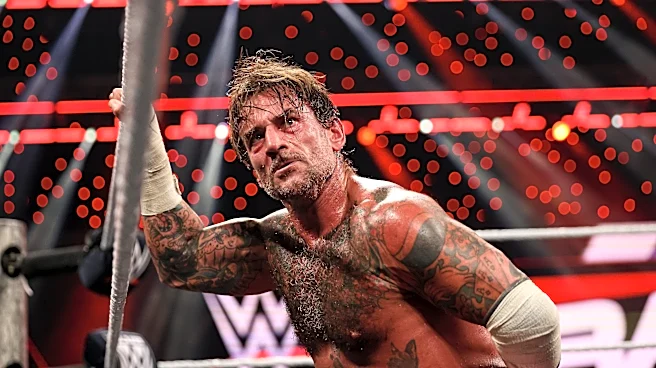
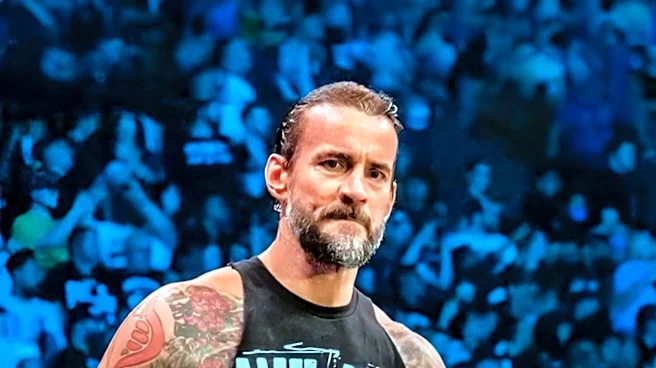
CM Punk, a prominent figure in professional wrestling, recently shared his perspective on how personal conflicts between wrestlers can sometimes lead to better matches. During an appearance on 'Hot Ones: Extra Heat' for Netflix, Punk acknowledged that
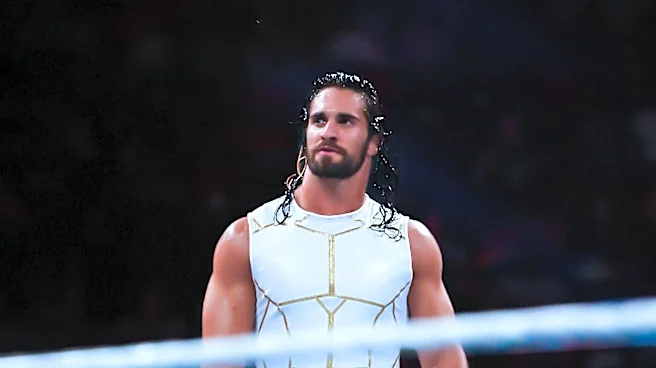
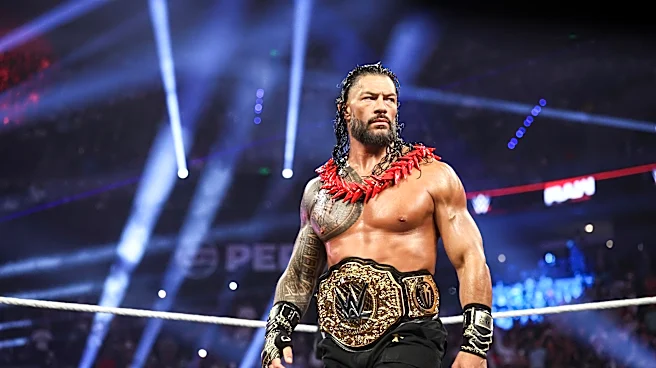
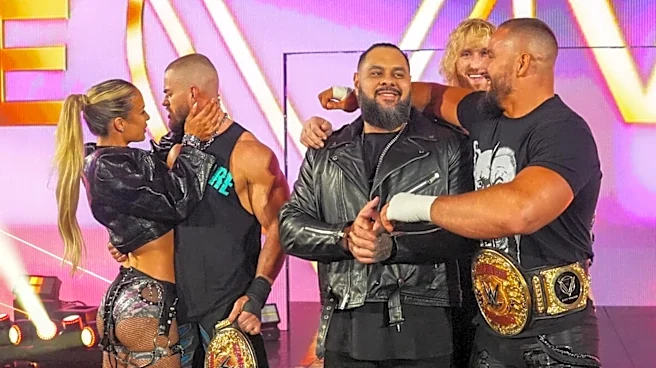
disagreements are common among wrestling talent, citing his own history of issues with various wrestlers including Seth Rollins, Roman Reigns, Kevin Owens, Drew McIntyre, and The Young Bucks. He likened his approach to that of actor Marlon Brando, preferring not to extensively discuss matches beforehand to maintain authenticity. Punk stated that 'butting heads' with an opponent can unexpectedly improve the in-ring product, suggesting that the dynamic created by genuine friction can translate into a more compelling performance for the audience. He emphasized that the true impact of such conflicts on a match often only becomes apparent once wrestlers are in the ring.
Why It's Important?
CM Punk's insights highlight a unique aspect of professional wrestling, where real-life tensions can be leveraged to enhance the entertainment value of a staged competition. This perspective is significant for understanding the psychology behind wrestling performances and how performers craft their narratives. For fans, it offers a glimpse into the behind-the-scenes dynamics that contribute to memorable matches, suggesting that some of the most intense on-screen rivalries might be fueled by genuine disagreements. For the wrestling industry, it underscores the complex interplay between performance, personality, and conflict, indicating that managing interpersonal relationships can be as crucial as athletic prowess in creating engaging content. This approach can lead to more authentic and emotionally charged storytelling, potentially increasing audience engagement and the perceived stakes of a match.
What's Next?
CM Punk's comments may influence how both wrestlers and fans perceive interpersonal conflicts within the industry. Wrestlers might increasingly consider how their real-life dynamics can be integrated into their on-screen personas and match strategies, potentially leading to more nuanced and intense rivalries. For promoters and bookers, understanding this dynamic could inform their decision-making when pairing talent, possibly encouraging matchups where underlying tensions exist. Fans, now aware of this perspective, might watch matches with a new lens, looking for subtle cues that suggest genuine friction between competitors, which could deepen their appreciation for the storytelling involved. This could also spark further discussions among wrestling analysts and commentators about the role of authenticity and personal animosity in professional wrestling.
Beyond the Headlines
The discussion around personal conflicts enhancing wrestling matches touches upon broader themes of authenticity and performance in entertainment. In an era where audiences often seek genuine emotion and unscripted moments, professional wrestling's ability to blur the lines between reality and performance becomes a key differentiator. Punk's comparison to Marlon Brando suggests a method acting approach to wrestling, where personal feelings are channeled to create a more believable and impactful portrayal. This raises ethical considerations about the extent to which real-life animosities should be exploited for entertainment, and the potential for such conflicts to escalate beyond the ring. It also highlights the unique psychological demands on wrestlers, who must navigate personal relationships while simultaneously using them as tools for their craft, blurring the boundaries between their professional and personal lives.