






What's Happening?
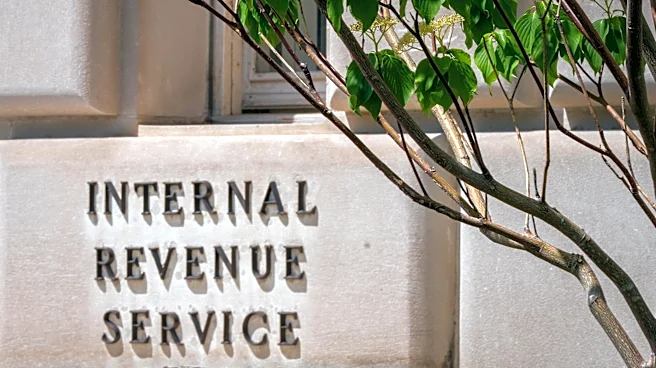
The IRS has issued detailed guidance for reporting digital asset transactions for the 2026 tax year, with the federal deadline set for April 15, 2027. All Form 1040 filers must answer a Yes/No question regarding their digital asset activities. Specific
activities requiring a 'Yes' response include mining, staking, and receiving a hard-fork airdrop. Conversely, simply purchasing digital assets with fiat currency or holding them in a wallet does not, by itself, necessitate a 'Yes.' The IRS classifies digital assets as property, not currency, which dictates how transactions are treated for tax purposes. Staking rewards are considered gross income at their fair market value when the taxpayer gains dominion and control, aligning with Rev. Rul. 2023-14. Transfers between a taxpayer's own wallets or accounts are not considered taxable disposals, though any crypto used to pay transfer fees is treated differently. The guidance also outlines which IRS forms are required for various crypto transactions, such as Form 8949 for sales and exchanges, and Schedule 1 for ordinary income from forks, staking, and mining.
Why It's Important?
This IRS guidance is crucial for U.S. taxpayers and the burgeoning digital asset industry, as it clarifies reporting obligations and helps prevent non-compliance. The explicit inclusion of hard-fork airdrops and staking rewards as taxable events underscores the IRS's comprehensive approach to digital asset taxation, ensuring that various forms of crypto acquisition are accounted for. This clarity can help taxpayers accurately calculate their tax liabilities and avoid penalties for late filing or underpayment, which can be substantial. For the crypto industry, these detailed rules provide a framework for compliance, potentially influencing how exchanges and service providers structure their offerings and report user activities. The emphasis on tracking cost basis wallet-by-wallet also highlights the need for robust record-keeping by individual investors, impacting their operational practices and potentially increasing demand for specialized crypto tax software. The distinction between taxable events and non-taxable transfers also provides much-needed clarity for routine asset management.
What's Next?
Taxpayers should prepare to meticulously track all their digital asset transactions throughout 2026, paying close attention to the specific reporting requirements for different types of activities. The IRS will continue to refine its guidance, and taxpayers should remain updated on any further pronouncements. The introduction of Form 1099-DA for broker reporting of digital asset transactions, including cost basis for covered securities acquired after 2025, will streamline some aspects of reporting but places the ultimate responsibility on the taxpayer to ensure all income, gains, and losses are reported, regardless of whether a 1099-DA is received. The April 15, 2027, deadline for filing Form 1040 and paying any tax owed will be a significant date for crypto investors. Industry stakeholders, including crypto exchanges and tax software providers, will likely adapt their services to align with these clarified IRS regulations, offering tools and resources to assist users in meeting their tax obligations.
Beyond the Headlines
The IRS's detailed stance on digital asset taxation reflects a broader trend of regulatory bodies worldwide grappling with how to integrate cryptocurrencies into existing financial and legal frameworks. This guidance not only aims to ensure tax compliance but also signals the increasing mainstream acceptance and integration of digital assets into the U.S. economy. The classification of digital assets as property rather than currency has far-reaching implications, affecting not only taxation but also potential future regulations concerning their use in commerce, inheritance, and legal disputes. The ongoing evolution of tax laws for digital assets could also influence innovation within the crypto space, as developers and projects may consider tax implications when designing new protocols or services. Furthermore, the IRS's focus on specific events like hard-fork airdrops and staking highlights the complexity of decentralized finance (DeFi) and the challenges regulators face in keeping pace with rapidly evolving financial technologies, potentially leading to further specialized guidance in the future.