





What's Happening?
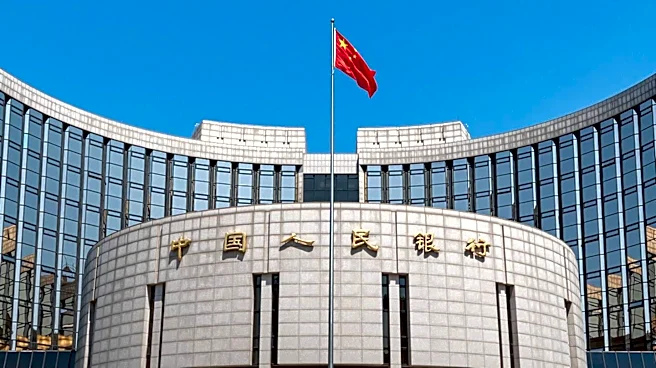
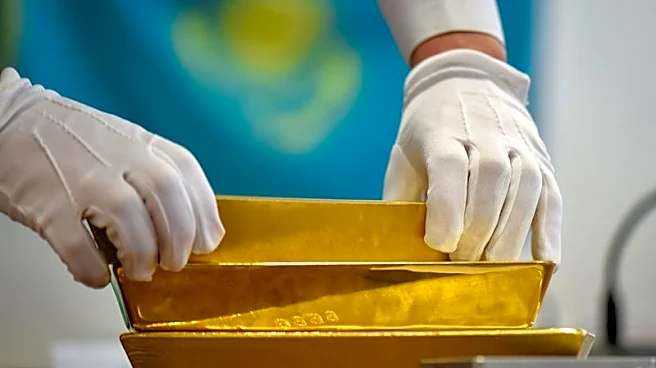
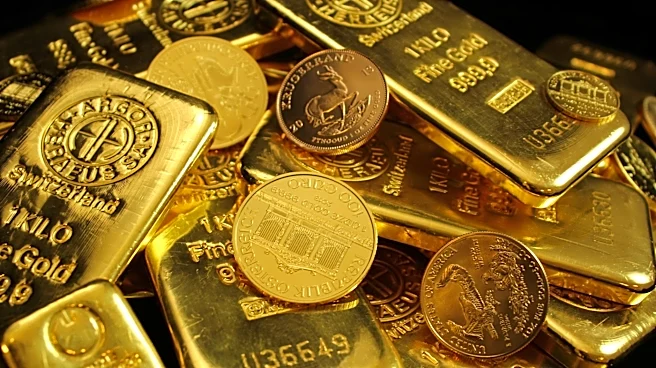
The recent decline in gold prices has been attributed to several factors, including the actions of the People's Bank of China (PBoC) and the strength of the US dollar. Gold prices fell below $3,960 an ounce, marking the lowest level since November, following
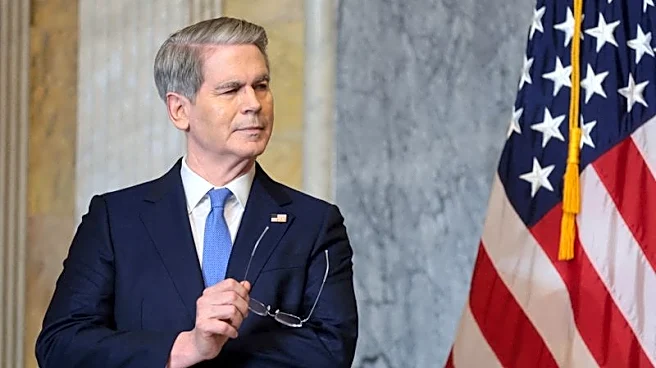
a hawkish stance by the new US Federal Reserve Chairman, Kevin Warsh. This has made gold less attractive compared to yield-bearing assets like bonds. Additionally, the US dollar has reached a 13-month high, further impacting gold prices. Liquidity analyst Michael Howell highlights the significant role of Chinese liquidity and investor behavior in the gold market. The PBoC's monetary policies have become a crucial factor, as Chinese investors increasingly use gold to hedge against domestic monetary concerns. The dip in Chinese liquidity this year has contributed to the downward pressure on gold prices.
Why It's Important?
The developments in the gold market have broader implications for investors and the global economy. The PBoC's influence on gold prices underscores the interconnectedness of global financial markets and the impact of national monetary policies on international commodities. For US investors, the situation presents both challenges and opportunities. The high US dollar and potential changes in Chinese monetary policy could affect investment strategies and market dynamics. The ongoing US federal deficit and the lack of a credible plan to address it under the Trump Administration add another layer of complexity. As gold miners' free cash flow yields remain attractive compared to the S&P 500, any recovery in gold prices could lead to significant gains for investors. However, the risk of further declines in gold prices remains, which could pressure gold miners.
What's Next?
The future of the gold market will largely depend on the actions of the PBoC and the trajectory of the US dollar. If the PBoC resumes monetary stimulus, it could lead to increased gold buying by Chinese investors, potentially stabilizing or boosting gold prices. Investors will also be watching for any shifts in US monetary policy that could influence the dollar's strength. The interplay between these factors will be crucial in determining the direction of the gold market. Analysts suggest that the remainder of 2026 could be a pivotal period for precious metal investors, with potential for both significant gains and risks.