






What's Happening?
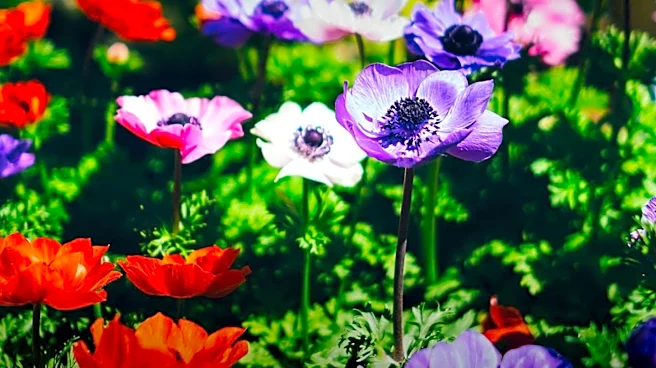
Gardening trends are seeing a resurgence in historical perennial plants, often referred to as 'grandmother's garden' favorites. These plants, which were common in gardens at least a century ago, are characterized by their longevity, robustness, and ease
of care. Examples include peonies, phlox, and the Japanese anemone. The pure white variety of the Japanese anemone, 'Honorine Jobert' (dating back to 1858), is noted for its elegant blooms that extend into the autumn. This renewed interest is driven by a contemporary desire for more natural and sustainable gardening practices. Many of these historical perennials, such as columbine, also self-seed, contributing to their natural spread and ease of maintenance in a garden setting. Some, like feverfew, even offer practical benefits as medicinal plants, while others, like lavender, deter pests from neighboring plants.
Why It's Important?
The renewed interest in historical perennials signifies a broader shift in U.S. gardening and landscaping towards sustainability and a connection to traditional practices. This trend impacts the horticultural industry by increasing demand for heirloom varieties and robust, low-maintenance plants, potentially influencing seed and plant suppliers to expand their offerings beyond modern hybrids. For consumers, it offers an opportunity to cultivate gardens that are not only aesthetically pleasing but also more resilient and environmentally friendly, reducing the need for intensive chemical treatments or frequent replacements. The emphasis on plants that self-seed and require minimal intervention aligns with growing ecological awareness, promoting biodiversity and supporting local ecosystems. Furthermore, the practical benefits of some of these plants, such as medicinal uses or natural pest deterrence, could foster a greater appreciation for traditional botanical knowledge and self-sufficiency in home gardening.
What's Next?
The increasing popularity of historical perennials is likely to lead to several developments in the U.S. gardening sector. We can anticipate a greater availability of these heirloom varieties in nurseries and garden centers, as demand from home gardeners and landscape designers grows. Educational initiatives focusing on sustainable gardening practices and the benefits of traditional plants may also become more prevalent, encouraging wider adoption. Seed banks and botanical gardens might play a more significant role in preserving and promoting these historical species. Additionally, the trend could inspire more research into the ecological benefits and practical applications of these plants, potentially leading to new discoveries in natural pest control or herbal remedies. This movement is expected to continue shaping gardening preferences, moving away from purely ornamental, high-maintenance plants towards those that offer both beauty and ecological value.
Beyond the Headlines
The resurgence of historical perennials reflects a deeper cultural yearning for authenticity and a connection to the past, extending beyond mere gardening aesthetics. In an increasingly fast-paced and technologically driven society, cultivating plants that have stood the test of time offers a tangible link to ancestral practices and a sense of rootedness. This trend also highlights a growing skepticism towards modern, often chemically dependent, agricultural and horticultural methods, favoring instead natural resilience and ecological balance. Ethically, it promotes biodiversity by preserving older plant varieties that might otherwise be lost, contributing to a more robust and adaptable plant kingdom. Culturally, it revives the concept of the 'grandmother's garden' as a symbol of nurturing, self-sufficiency, and a harmonious relationship with nature, influencing not just gardening but also broader lifestyle choices related to food, health, and environmental stewardship.