







What's Happening?
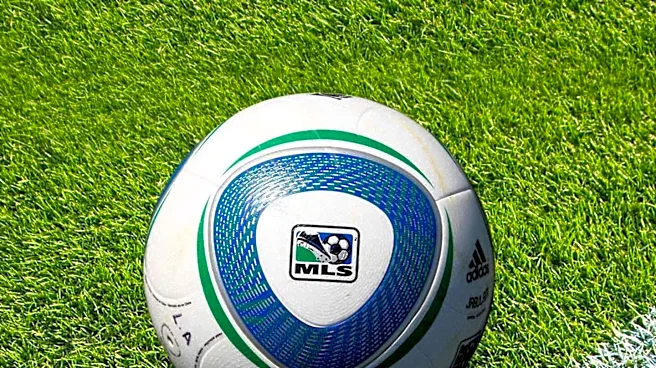
Major League Soccer (MLS) is implementing a significant change to its competition calendar, effective July 2027. The new schedule will see the MLS regular season commence in mid-July and conclude with the Audi MLS Cup Playoffs and MLS Cup presented by
Audi in late May. This adjustment includes a winter break with limited games in December, no games in January, and a restricted number of games in February. The 2026 MLS Regular Season will remain unaffected by these changes. This strategic shift aims to synchronize the MLS schedule with that of top international soccer leagues, a move designed to enhance various aspects of the league's operations and fan experience. The transition year in 2027 will feature a condensed 14-game regular season from February to April, followed by the playoffs and MLS Cup in May, ensuring continuous competition and qualification for other tournaments.
Why It's Important?
This calendar realignment is crucial for MLS as it seeks to elevate its standing in the global soccer landscape. By aligning with the FIFA International Match Calendar, the league will significantly reduce conflicts between MLS games and national team call-ups, allowing top players to participate in international tournaments without disrupting their club commitments. This also optimizes the global transfer market for MLS clubs, enabling them to more effectively acquire and transfer top talent during the world's primary transfer window, which largely occurs in the summer. The new schedule is also designed to enhance the fan experience by placing the Audi MLS Cup Playoffs and MLS Cup in May, offering ideal timing and weather conditions, uninterrupted by international match windows. Furthermore, scheduling will consider climate, with games played during daylight hours in northern climates during colder months and later in the evening in southern climates during summer months, improving attendance and viewing conditions.
What's Next?
The immediate next step for MLS will be the unaffected 2026 regular season. Following that, the league will enter a transition year in 2027, featuring a condensed 14-game regular season from February to April, culminating in the Audi MLS Cup Playoffs and MLS Cup in May. This transitional period will also determine qualifications for the Lamar Hunt U.S. Open Cup, Canadian Championship, Leagues Cup, and Concacaf Champions Cup. The league will continue to refine the specifics of the winter break, including its exact length, in discussions with key stakeholders. Clubs will also need to adjust their operational and player management strategies to accommodate the new schedule, particularly regarding player transfers and pre-season preparations. Fans and season ticket members will see changes to their membership structures, with the 2027 MLS Season consisting of a 'Dual Season' spanning from January 2027 to June 2028.
Beyond the Headlines
The shift in the MLS calendar represents a broader strategic vision for the league to integrate more seamlessly into the global soccer ecosystem. This move could lead to increased international recognition and competitiveness for MLS clubs, potentially attracting a higher caliber of players and coaches. The enhanced alignment with the global transfer market could also boost the league's financial health through more lucrative player transactions. Ethically, this change prioritizes player welfare by reducing conflicts with national team duties and providing a more structured off-season. Culturally, it aims to solidify soccer's place in the U.S. sports landscape by presenting a more consistent and high-quality product, particularly during the crucial playoff period. The long-term impact could see MLS becoming a more significant player in international club competitions and a more attractive destination for global soccer talent, fostering growth and development within the sport across the United States.