


What's Happening?
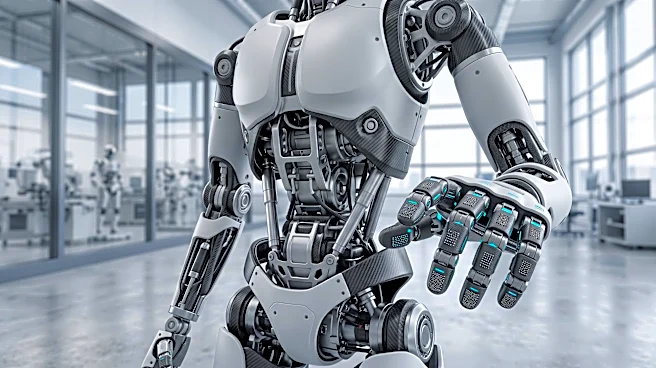
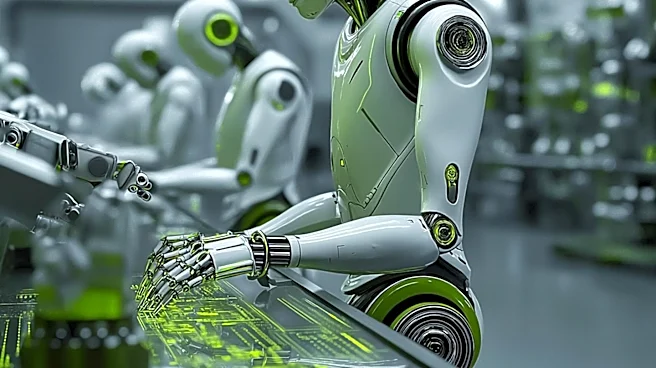
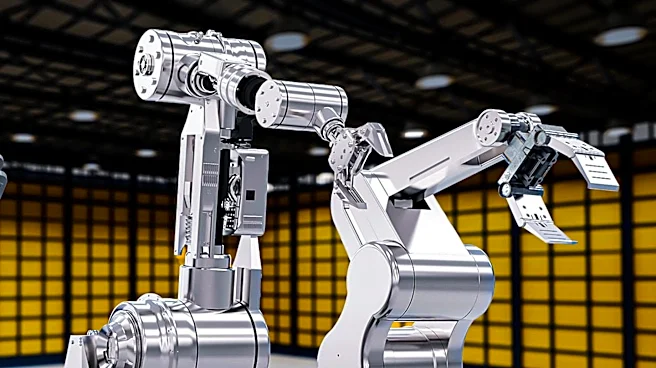
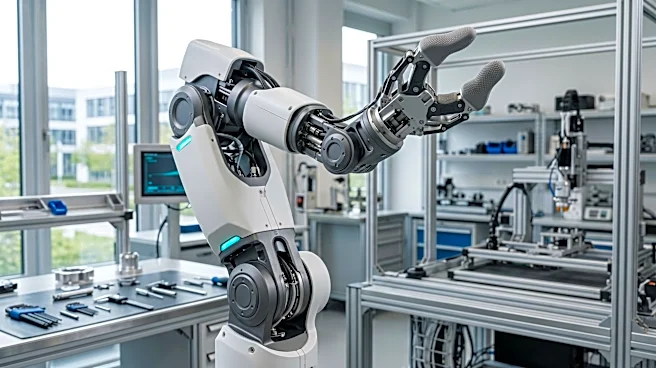
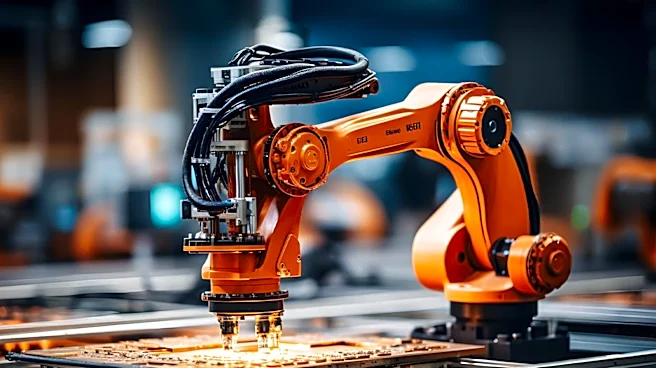
Ajay Agarwal, a partner at Bain Capital Ventures, asserts that humanoid robots are not the optimal form factor for most physical-AI applications over the next decade. He contends that wheeled and purpose-built robotic systems are more cost-effective,
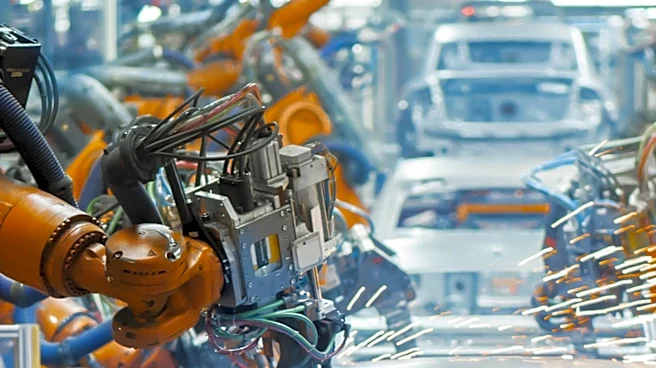
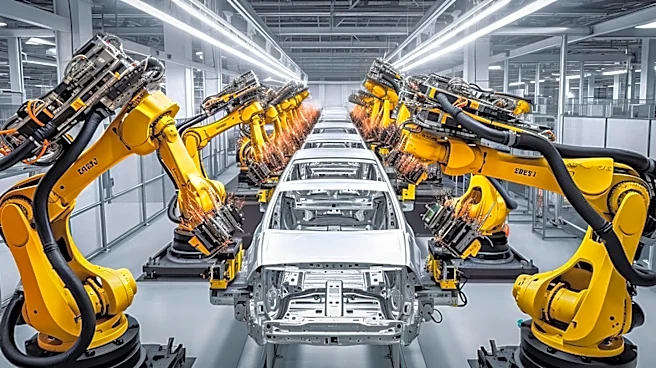
safer, and easier to deploy. Agarwal defines humanoids narrowly as 'human-like figures with two legs' and distinguishes between the long-term vision for humanoids (20-30 years) and their practical application in the near future. His argument is rooted in economic and physical considerations, highlighting that removing legs significantly improves cost, battery life, center of gravity, and safety. He points to the prevalence of wheels and wings in automated systems like drones, autonomous cars, and warehouse material handling as evidence of their superiority for industrial and manufacturing tasks. Agarwal also notes that component costs for robotics have decreased significantly since 2004, shifting the value creation towards intelligence, software, and deployability rather than hardware.
Why It's Important?
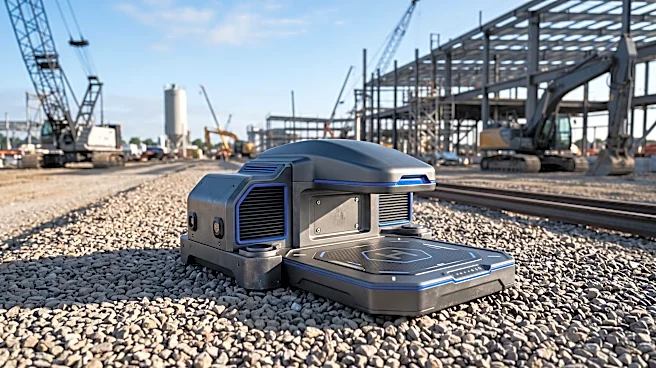
This perspective from a prominent venture capitalist like Ajay Agarwal carries significant weight for the robotics industry and its investors in the U.S. His argument suggests a strategic direction for investment and development, prioritizing specialized, reliable, and cost-efficient robotic solutions over general-purpose humanoids for immediate industrial needs. This could influence how robotics startups are funded, which technologies receive R&D focus, and ultimately, the types of automation adopted across U.S. manufacturing, logistics, and construction sectors. Companies focusing on wheeled or pedestal-based robots with specific functionalities, as seen in Bain Capital Ventures' portfolio with companies like Terra Firma, may find more favorable investment landscapes. Conversely, companies heavily invested in humanoid robot development for near-term industrial deployment might face increased scrutiny or a more challenging path to market, potentially impacting their funding and growth prospects. The emphasis on deployability and maintainability underscores a market demand for practical, robust solutions that minimize operational downtime and maximize efficiency.
What's Next?
The robotics industry is likely to see continued debate and diversification in form factors. While Agarwal's view emphasizes specialized robots for the next decade, the long-term vision for humanoids remains a significant area of research and development. Future developments will likely involve a continued reduction in component costs, further advancements in AI and software intelligence, and an increasing focus on the deployability and uptime of robotic systems. Investors and companies will need to carefully evaluate the trade-offs between general-purpose intelligence and specialized embodiment. The market will ultimately determine which form factors gain traction based on their ability to deliver reliable, cost-effective, and safe solutions for specific use cases. The ongoing shift of talent from software to hardware, driven by the commoditization of code and the ambition to tackle real-world physical challenges, suggests a dynamic future for robotics innovation in the U.S.
Beyond the Headlines
Agarwal's distinction between generalized intelligence and general-purpose embodiment highlights a crucial philosophical and practical challenge in robotics. While AI models are demonstrating increasing generalization capabilities, the physical embodiment of robots still faces significant constraints in terms of cost, safety, and reliability. This suggests that the path to widespread robotic adoption in the physical world may not be through mimicking human form but through optimizing form for function. The 'pitfall with humanoids,' as Agarwal describes it, lies in the ambition to create a single robot that can do everything, which often compromises reliability and cost-effectiveness for specific tasks. This perspective encourages a more pragmatic approach to robotics, where solutions are tailored to specific industrial problems rather than attempting to create a universal robot. The broader implication is a potential re-evaluation of what 'general-purpose' truly means in robotics, shifting from a focus on human-like versatility to a focus on adaptable intelligence within specialized physical forms.