



What's Happening?
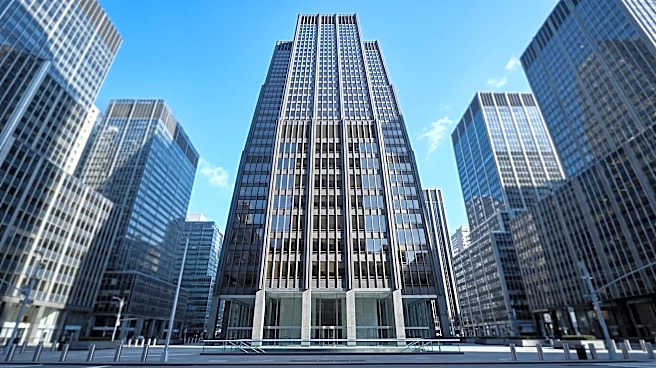
Midtown Manhattan's Third and Lexington Avenues are witnessing a significant surge in office leasing activity, with these corridors posting the fastest growth in lease counts from 2021 to 2025, at 18.4% and 28.6% annually, respectively. This trend is attributed
to the scarcity of 'trophy space' and skyrocketing rents in prime avenues, compelling tenants to broaden their search. Third Avenue is on track to surpass its entire 2025 leasing activity this year. Notable deals include Bloomberg LP's extension and expansion at SL Green’s 919 Third Ave. and various companies moving to or expanding within 560 Lexington. Landlords are also investing heavily in property upgrades, such as the $80 million renovation of 850 Third, and residential conversions are underway at properties like SL Green’s 750 Third.
Why It's Important?
This accelerated growth in Midtown's secondary office corridors signifies a notable shift in the U.S. commercial real estate landscape, particularly in major urban centers like New York City. The tightening availability and escalating costs in prime locations are forcing businesses to reconsider their real estate strategies, leading to increased demand and investment in previously less sought-after areas. This trend impacts property values, rental income, and development opportunities across Manhattan. It also highlights the resilience and adaptability of the office market, as landlords and tenants adjust to new economic realities. The influx of businesses and residents into these corridors could stimulate local economies, create new job opportunities, and alter the urban fabric of these neighborhoods.
What's Next?
The continued growth in leasing activity on Third and Lexington Avenues suggests a sustained trend of decentralization within Manhattan's office market. As prime spaces remain scarce and expensive, more companies are likely to explore these and similar secondary corridors. This will likely lead to further investment in property upgrades and new developments in these areas, as landlords seek to capitalize on the increased demand. The ongoing residential conversions, such as at SL Green’s 750 Third, indicate a broader strategy to create mixed-use environments, which could further enhance the appeal of these avenues. This shift could also influence urban planning decisions, with potential for infrastructure improvements and increased amenities to support the growing population and business presence.
Beyond the Headlines
The phenomenon of secondary corridors gaining prominence in Manhattan's office market reflects a deeper re-evaluation of what constitutes 'prime' real estate. Beyond just location, factors like building amenities, landlord investment, and price point are becoming increasingly critical for tenants. This could lead to a more equitable distribution of economic activity across different parts of the city, rather than concentrating it solely in traditional 'trophy' locations. The trend also underscores the evolving nature of work and corporate culture, where accessibility, cost-effectiveness, and a vibrant surrounding environment are becoming as important as a prestigious address. This could foster greater innovation in urban development, as developers look to create dynamic, multi-functional spaces that cater to a diverse range of businesses and residents.